What are demurrage and detention?
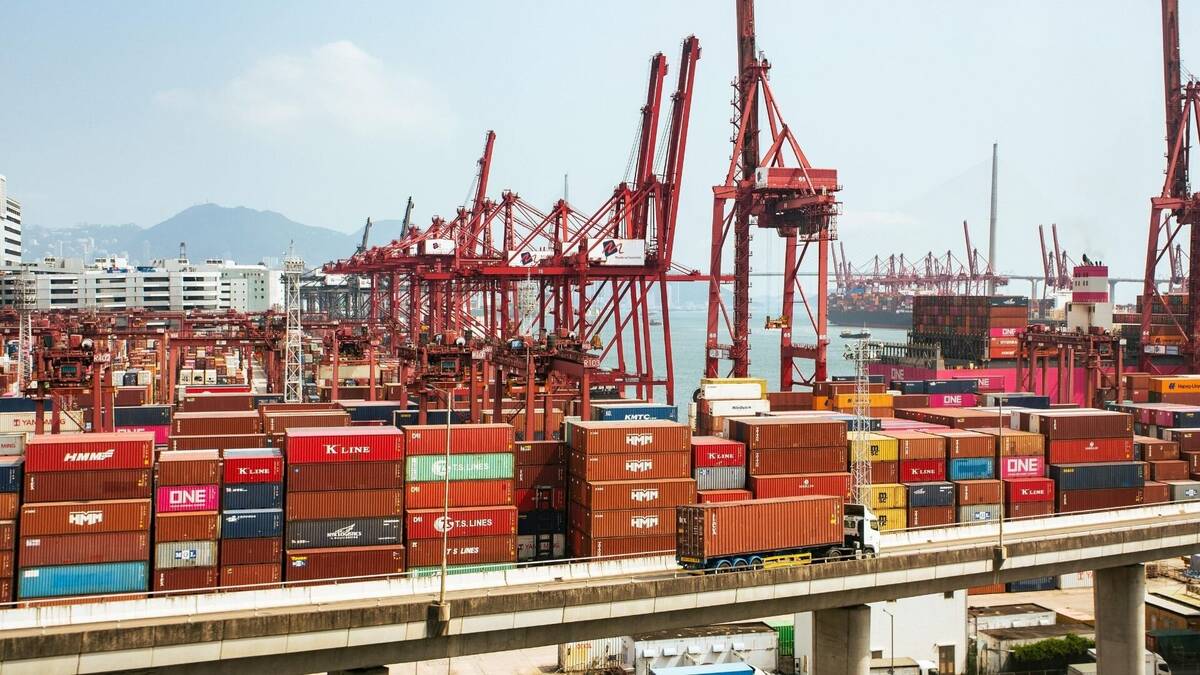
These two terms are often confused but represent different charges. Demurrage is the fee charged when a loaded import container sits at the port terminal beyond the allotted free time. You are essentially paying rent for using the terminal's space. Detention is the fee charged when you keep the carrier's empty container at your facility beyond the allotted free time after you have unpacked it.
Both charges accumulate daily and escalate over time. Rates typically range from $75 to $300 per container per day for the first few days, increasing to $200 to $500 or more per day as the duration extends.
How free time works
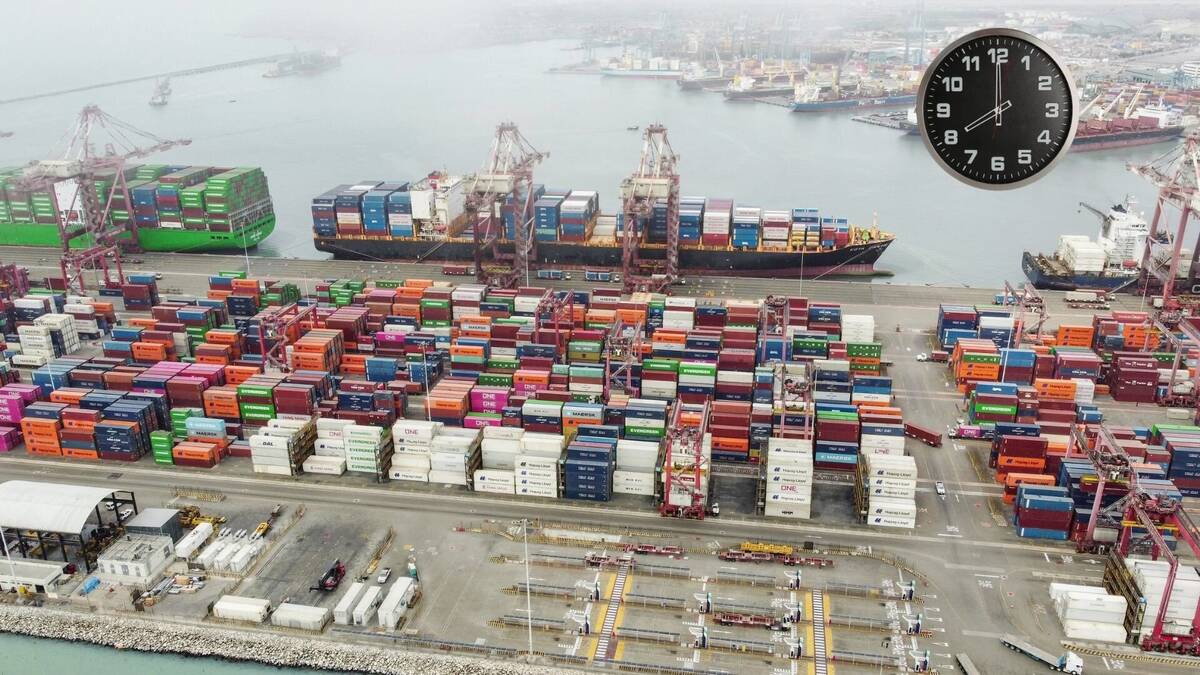
Carriers and terminal operators provide a set number of free days during which no charges apply. For imports, the typical free time is 4 to 7 calendar days for demurrage at the terminal and 4 to 7 days for detention of the empty container.
The demurrage clock starts when the container is discharged from the vessel and placed in the terminal yard. The detention clock starts when the loaded container leaves the terminal and continues until you return the empty container to the designated depot.
Why containers get stuck
Common reasons for exceeding free time include customs clearance delays due to documentation errors, missing permits, or CBP examinations. Port congestion during peak seasons can make it physically difficult to retrieve containers. Chassis shortages prevent drayage trucks from picking up containers. Warehouse capacity issues occur when your facility cannot receive the container on time. Regulatory holds from agencies like FDA, USDA, or CPSC add unexpected delays.
Strategies to minimize charges
Plan your customs clearance in advance. File your ISF early, have all documentation ready before the vessel arrives, and work with your customs broker to pre-clear as much as possible before the container is discharged.
Schedule drayage pickup promptly. Arrange truck pickup within the first 2 to 3 days of free time rather than waiting until the last day. This gives you a buffer if issues arise.
Negotiate extended free time in your carrier contracts. If you are a regular shipper with consistent volume, most carriers will offer additional free days as part of the rate negotiation.
Have a contingency plan for warehouse capacity. If your primary warehouse is full, have a backup facility or arrange for temporary storage. The cost of a day at a backup warehouse is almost always less than demurrage charges.
Consider using our loading scheme tool at asrwe.com/tools/loading-schemes to optimize container utilization and plan your unloading efficiently.
FMC demurrage and detention rules
The Federal Maritime Commission has issued rules regarding the reasonableness of demurrage and detention charges. Under these rules, charges should incentivize the efficient use of equipment rather than serve as a profit center for carriers. Importers can dispute unreasonable charges, particularly when delays are caused by factors outside the importer's control such as port congestion, government inspections, or carrier-caused delays.
Let ASR manage your container logistics
Our team monitors container availability, free time deadlines, and drayage scheduling to minimize your exposure to demurrage and detention charges. Contact us at shipping@asrwe.com or +1 786 373 3003.