What are demurrage and detention?
These are two of the most misunderstood — and most avoidable — costs in ocean freight. While they sound similar, they apply to different situations and different locations.
Demurrage
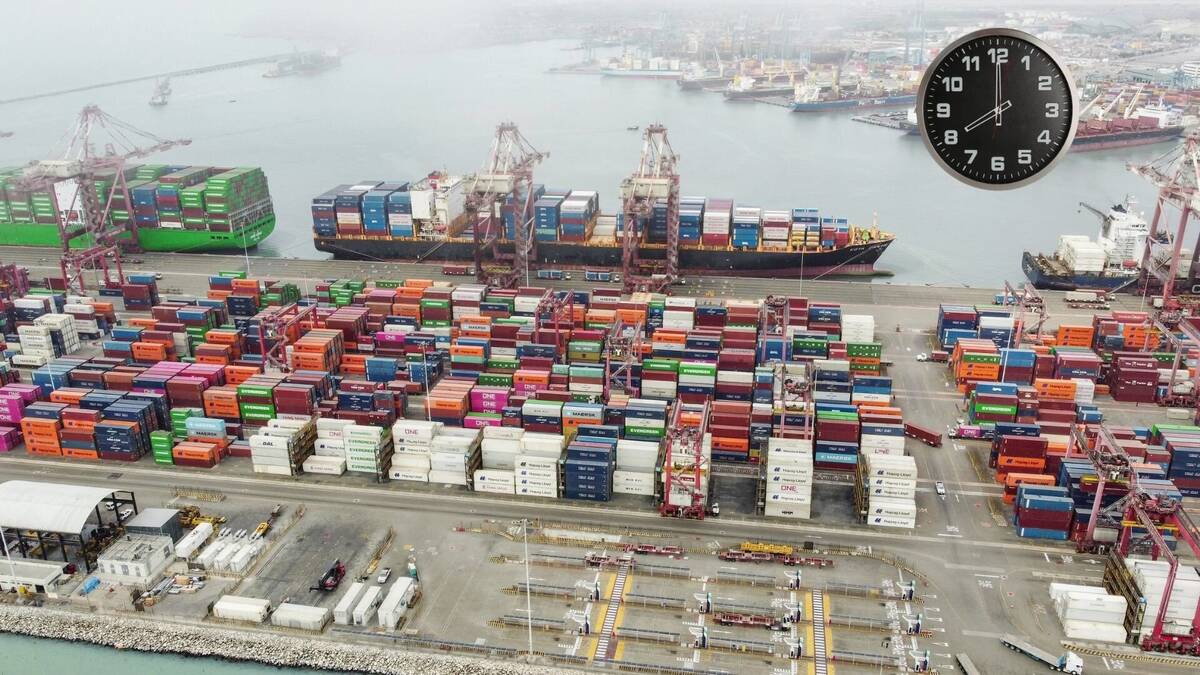
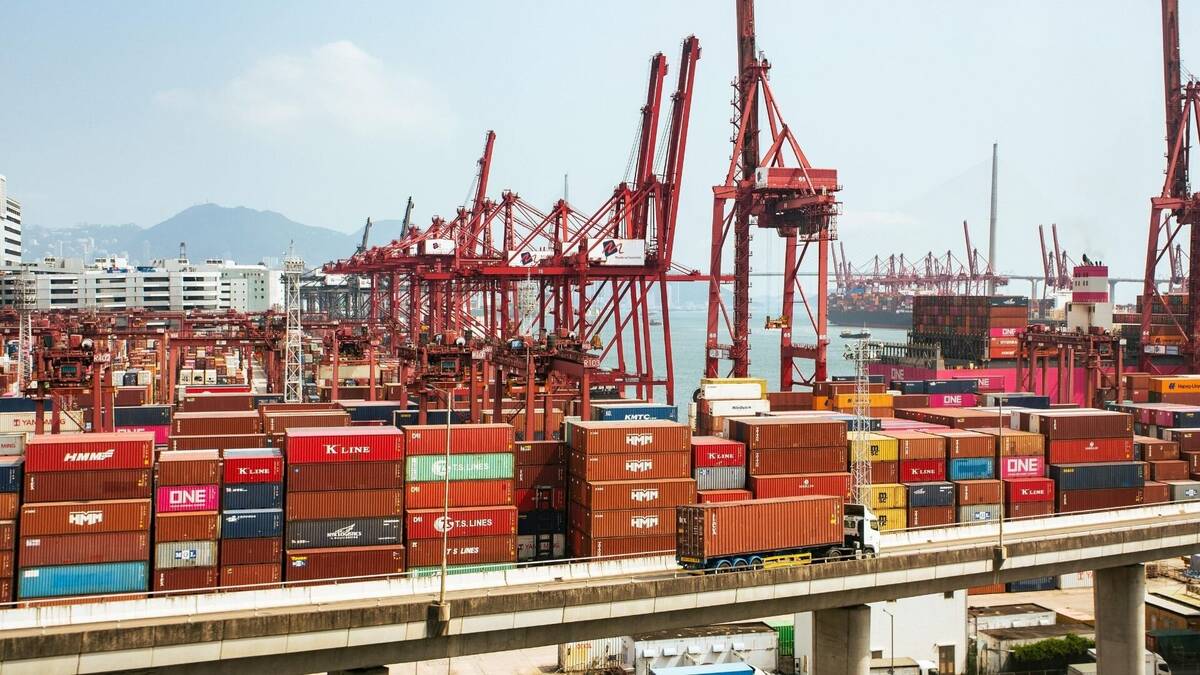
Demurrage is a charge applied when a loaded container stays at the port or terminal beyond the allotted free time. Think of it as "parking fees" at the port. Shipping lines typically allow 3-7 free days after the vessel is discharged. After that, daily charges kick in — and they escalate quickly.
Typical demurrage rates start at $75-150 per container per day for the first few days, then can jump to $200-350 per day after a week. On a 40-foot container sitting for two weeks past free time, you could face $2,000-4,000 in charges.
Detention
Detention applies when you keep the carrier's empty container at your facility beyond the allowed free time. After unloading your cargo, you're expected to return the empty container to the designated depot within the free period — usually 4-7 days.
Detention rates are similar to demurrage, typically $75-150 per day initially. The key difference is location: demurrage is at the port, detention is at your premises or anywhere outside the terminal.
Common causes
The most frequent triggers for demurrage and detention charges include customs clearance delays due to missing or incorrect documentation, incomplete ISF filing causing CBP holds, FDA or USDA examinations on regulated commodities, warehouse not ready to receive cargo, insufficient labor for unloading, and disputes over cargo condition or documentation.
How to avoid these charges
Plan ahead
Ensure all documentation is submitted before the vessel arrives. File ISF on time, have your customs entry pre-cleared, and confirm your warehouse has receiving capacity on the expected delivery date.
Use a proactive broker
A good customs broker tracks vessel arrivals and starts the clearance process before the ship docks — not after. At ASR, we coordinate pre-clearance review 5-7 days before arrival.
Negotiate free time
Most carriers will extend free time if asked, especially for regular shippers. We negotiate extended free days as part of our service contracts — often getting 7-10 free days instead of the standard 3-5.
Have a drayage plan
Book your truck before the container is available. Waiting until after discharge to arrange drayage adds 1-2 days that count against your free time.
How ASR helps
We monitor every shipment from vessel departure to container return. Our proactive approach to documentation, customs clearance, and drayage coordination keeps demurrage and detention to near zero for our clients.