The fundamental tradeoff
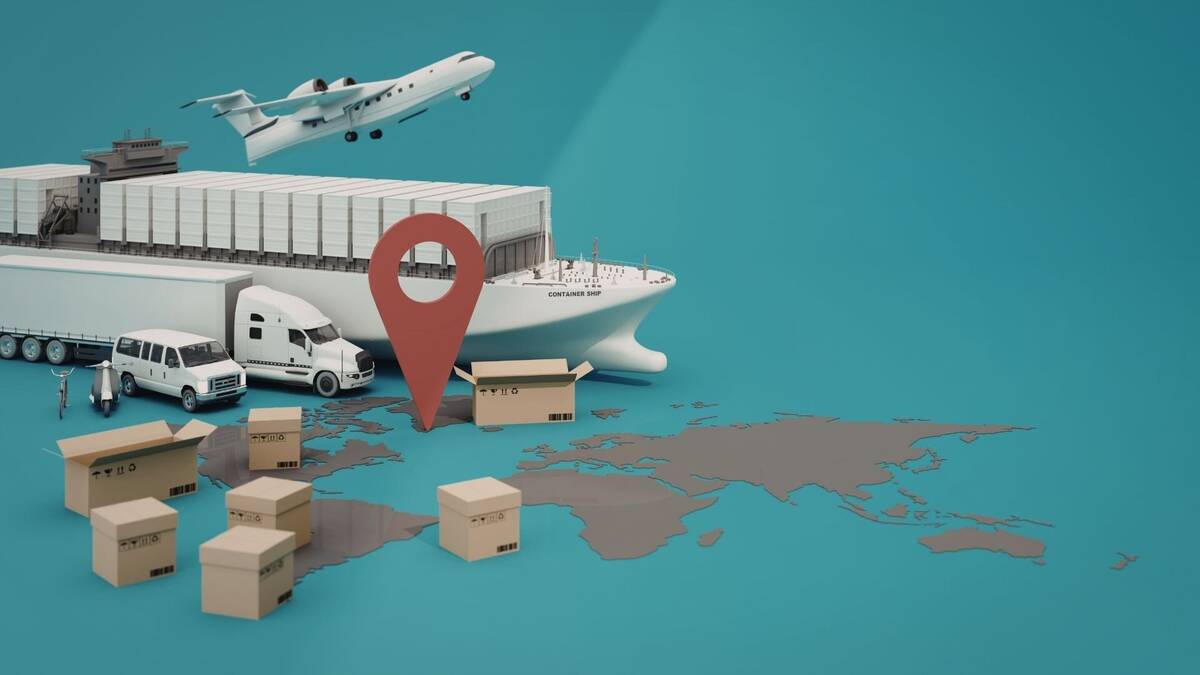
International shipping ultimately comes down to one core tradeoff: speed versus cost. Air freight is fast but expensive. Ocean freight is affordable but slow. Understanding when to use each — and when to combine them — is key to optimizing your supply chain.
Cost comparison
Ocean freight typically costs 4-6 times less than air freight on a per-kilogram basis. For a 1,000 kg shipment from Shanghai to Miami, ocean freight might cost $800-1,500, while air freight could run $4,000-7,000. The gap widens for heavier shipments.
However, cost isn't just about freight rates. Ocean shipments tie up more working capital due to longer transit times. They also require more packaging and have higher risk of damage from humidity and handling. When you factor in inventory carrying costs and packaging, the gap narrows — especially for high-value goods.
Transit time
Air freight from Asia to the US typically takes 3-5 days. Ocean freight takes 25-35 days. For shipments from Europe, air takes 1-3 days versus 14-20 days by sea.
These times don't include customs clearance, drayage, or last-mile delivery — which add 2-5 days regardless of mode.
When to choose ocean freight
Ocean makes sense when your cargo is heavy or bulky, when transit time isn't critical, when you're shipping in container-load quantities, and when cost is the primary concern. Most commodities, raw materials, machinery, and non-perishable consumer goods move by ocean.
When to choose air freight
Air is the right choice for time-sensitive or perishable goods, high-value low-weight products, urgent replenishment or just-in-time inventory, and e-commerce orders requiring fast delivery. Electronics, pharmaceuticals, fashion items, and spare parts commonly ship by air.
The hybrid approach
Many experienced shippers use a combination: regular bulk shipments by ocean to maintain base inventory, with air freight for urgent top-ups or new product launches. This balances cost efficiency with supply chain responsiveness.
Let us help you decide
Our team analyzes your specific cargo characteristics, timeline, and budget to recommend the optimal mode — or combination. Get a comparative quote at asrwe.com/quote.