Understanding FCL and LCL
When shipping goods by ocean, you have two primary options: FCL (Full Container Load) where you book an entire container for your cargo exclusively, and LCL (Less-than-Container Load) where your cargo shares container space with shipments from other shippers.
The right choice depends on your shipment volume, budget, timeline, and cargo sensitivity.
FCL — Full Container Load
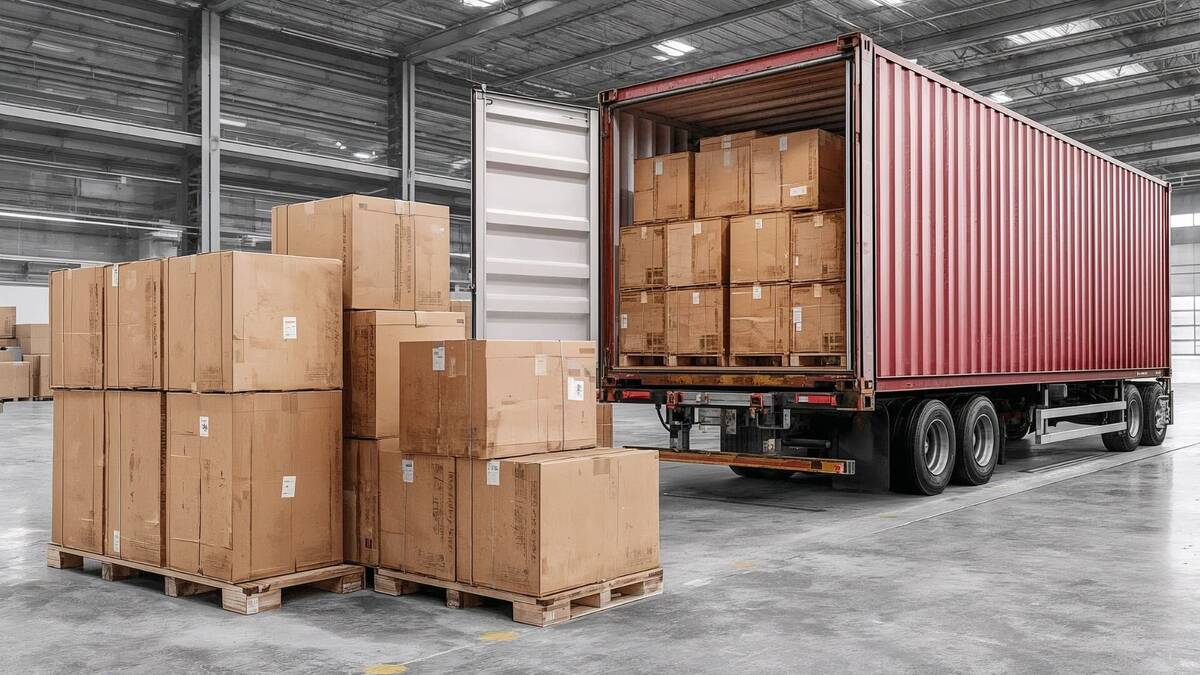
With FCL, you get exclusive use of a container regardless of whether you fill it completely. The container is sealed at your supplier's facility and isn't opened until it reaches the destination. Common sizes are 20-foot (approximately 33 CBM) and 40-foot (approximately 67 CBM) containers.
FCL advantages include lower per-CBM cost for larger shipments, faster transit times since there's no consolidation or deconsolidation, reduced handling means less risk of damage, and your cargo isn't mixed with other shippers' goods.
FCL works best when your cargo volume exceeds roughly 15 CBM. Below that threshold, you're paying for significant empty space in the container.
LCL — Less-than-Container Load
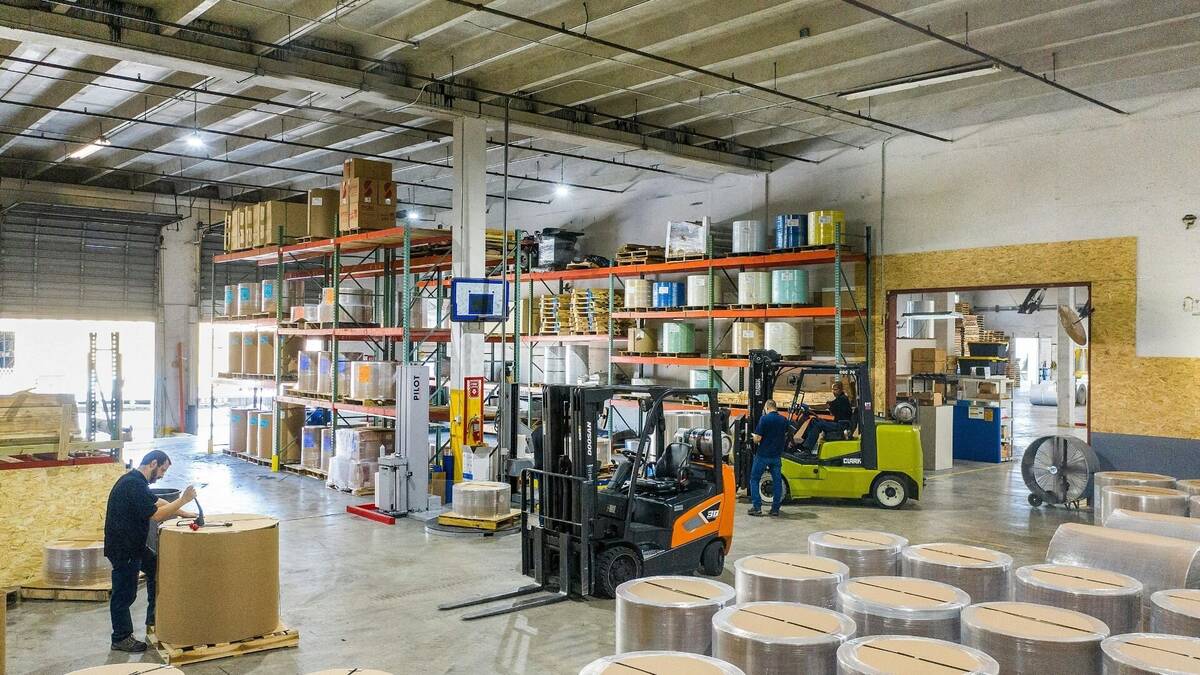
LCL lets you ship smaller volumes cost-effectively by sharing container space. Your cargo is delivered to a consolidation warehouse (CFS - Container Freight Station), packed into a container with other shippers' goods, and then deconsolidated at the destination CFS before delivery.
LCL advantages include lower total cost for small shipments (under 15 CBM), no need to fill minimum container requirements, flexibility to ship smaller quantities more frequently, and ideal for sample shipments, spare parts, and e-commerce inventory.
Cost comparison
The breakeven point between FCL and LCL typically falls around 12-15 CBM. Below that volume, LCL is cheaper. Above it, FCL wins on a per-unit basis. Here's a rough comparison for the Shanghai to Miami trade lane: for 5 CBM, LCL might cost around $1,500 while FCL (20-foot container) might cost $2,500. For 15 CBM, LCL might cost $4,500 while FCL costs the same $2,500. The exact breakeven depends on the trade lane, season, and carrier.
Transit time impact
LCL shipments typically add 5-10 days to the total transit time compared to FCL. This is because cargo needs to be received at the origin CFS and consolidated before vessel departure, and deconsolidated at the destination CFS before delivery. If time is critical, FCL is usually the better choice.
How to decide
Choose FCL when your volume exceeds 12-15 CBM, when transit time is critical, when cargo is fragile or sensitive, or when you're shipping hazardous materials. Choose LCL when volume is under 12 CBM, when cost is more important than speed, when you're shipping samples or small replenishments, or when testing a new market with small quantities.
ASR handles both
We offer competitive rates on both FCL and LCL shipments and help you determine the most cost-effective option for every shipment. Request a quote at asrwe.com/quote with your cargo details and we'll provide a side-by-side comparison.