Understanding FCL and LCL
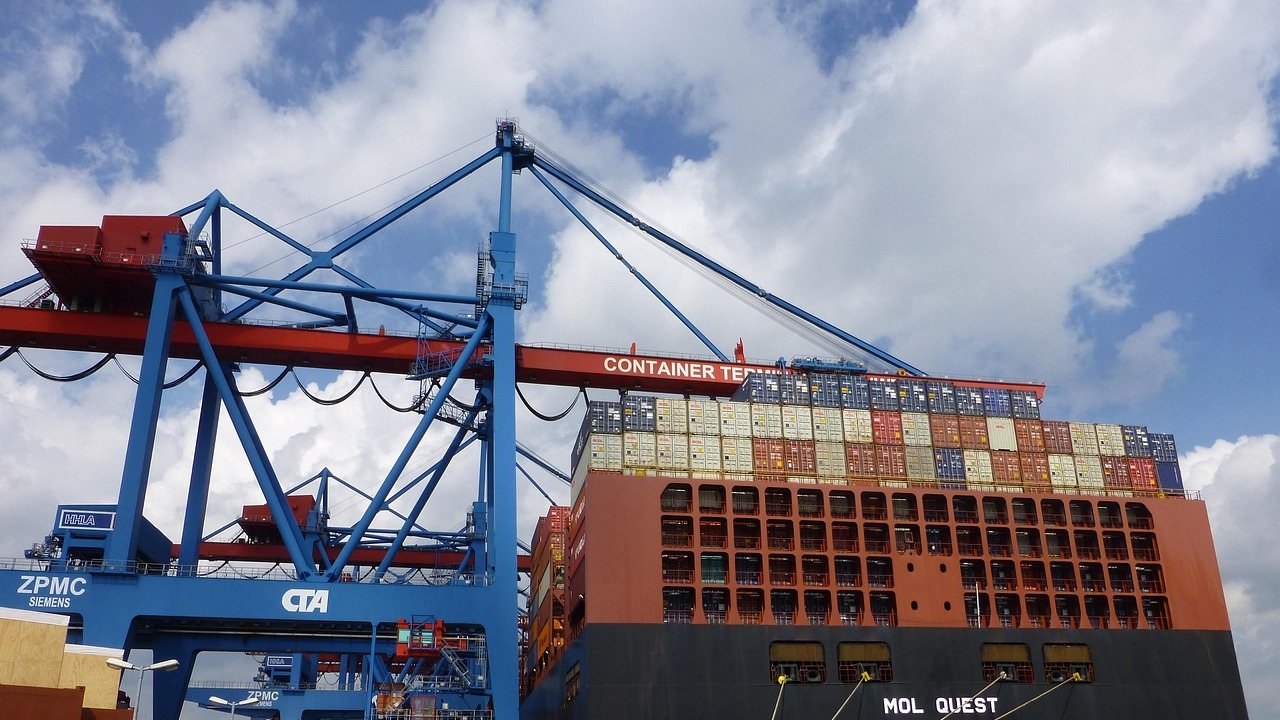
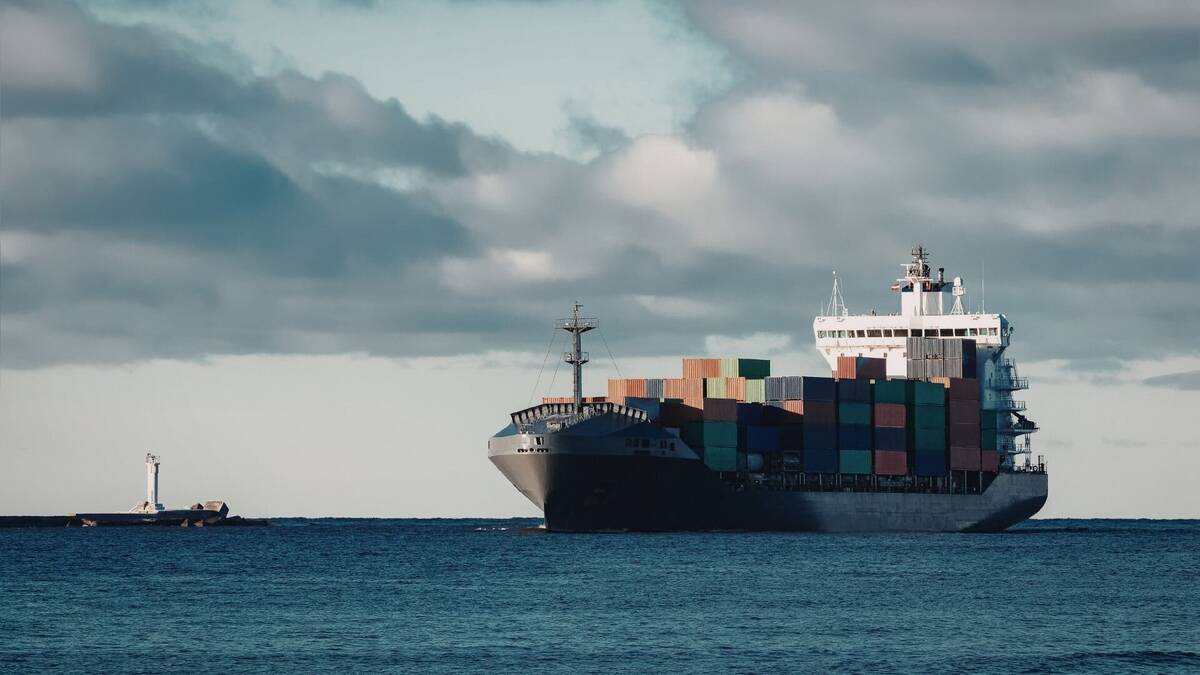
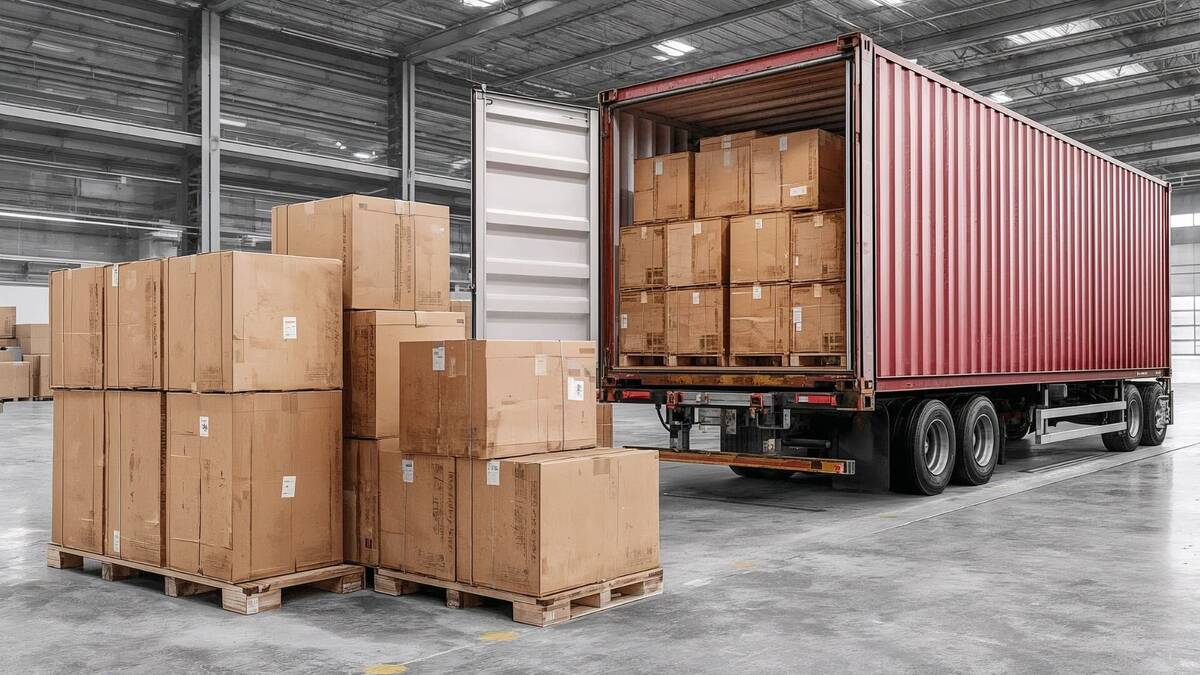
When shipping goods internationally by ocean, you have two main options for containerized cargo. Full Container Load, known as FCL, means you book an entire container exclusively for your goods. Less than Container Load, known as LCL, means your cargo shares container space with shipments from other shippers.
The choice between FCL and LCL affects your shipping cost, transit time, cargo handling risk, and scheduling flexibility.
When to choose FCL
FCL is typically the better choice when your cargo volume exceeds 15 cubic meters or about half a 20-foot container, when you need faster transit times with fewer handling touchpoints, when shipping fragile or high-value goods that benefit from reduced handling, and when you want predictable scheduling with direct routing.
FCL containers come in standard sizes. A 20-foot container holds approximately 33 cubic meters and 28,000 kg. A 40-foot container holds approximately 67 cubic meters and 26,000 kg. A 40-foot high cube adds about 6 cubic meters of additional height capacity.
When to choose LCL
LCL makes sense when your shipment is smaller than 15 cubic meters, when you are a smaller business that does not generate enough volume for a full container, when you need to ship goods from multiple origins that will be consolidated, and when cash flow is a priority and you want to ship smaller quantities more frequently rather than large bulk orders.
Cost comparison
FCL pricing is per container regardless of how full it is. If you book a 20-foot container, you pay the same rate whether it is 50% or 100% full. This means your per-unit cost drops as you fill more of the container.
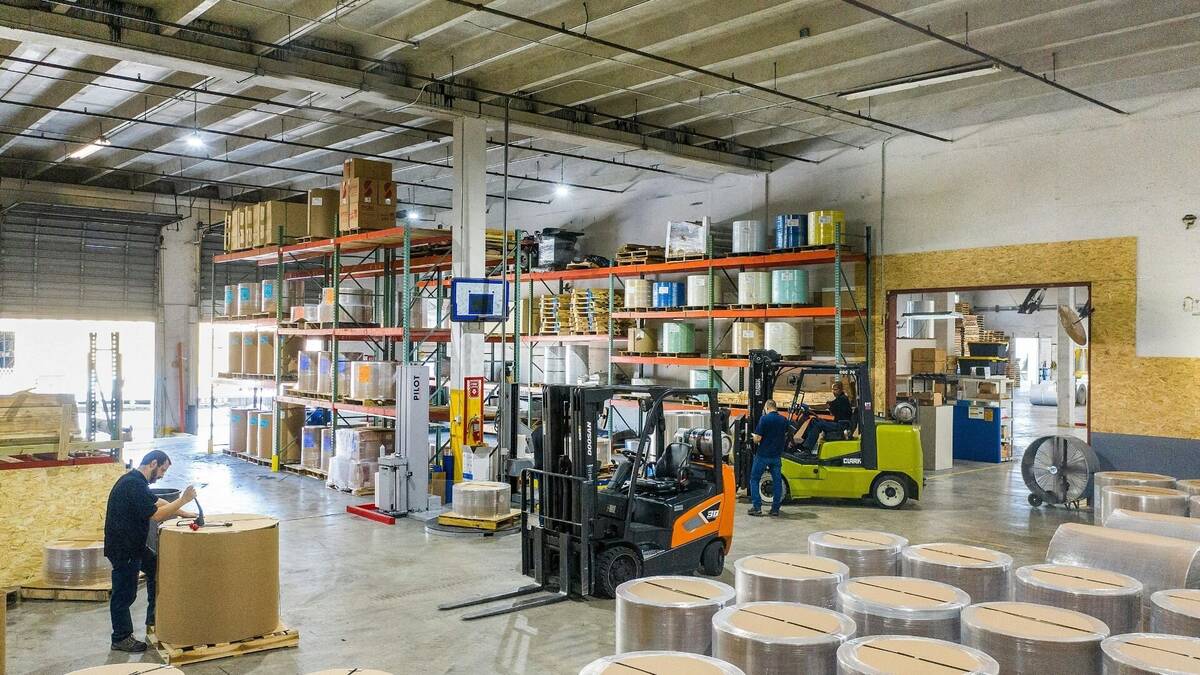
LCL pricing is based on the greater of actual weight in tons or volume in cubic meters, known as the weight-to-measure ratio. You pay only for the space you use, but the per-unit rate is higher than FCL, and there are additional consolidation and deconsolidation fees at origin and destination.
The breakeven point where FCL becomes cheaper than LCL typically falls between 12 and 15 cubic meters, though this varies by trade lane and market conditions.
Transit time differences
FCL shipments generally move faster because the container goes directly from origin port to destination port without consolidation stops. LCL shipments require extra time at both ends for consolidation at origin where your goods are combined with others into a container, and deconsolidation at destination where the container is unpacked and individual shipments separated. This typically adds 5 to 10 days compared to FCL on the same route.
Cargo risk considerations
Every time cargo is handled, there is a risk of damage, loss, or contamination. FCL cargo is loaded once at origin and unloaded once at destination. LCL cargo goes through additional handling at the consolidation warehouse at origin, the deconsolidation warehouse at destination, and potentially at transshipment points.
For fragile, temperature-sensitive, or high-value goods, FCL provides a significant advantage in cargo safety.
Use our CBM calculator
Not sure how much space your cargo needs? Use our CBM calculator at asrwe.com/tools/cbm-calculator to estimate your total volume and determine whether FCL or LCL is the best option. For a freight quote on either service, contact us at shipping@asrwe.com or visit asrwe.com/quote.