Why carrier alliances matter
Ocean carrier alliances are partnerships where competing shipping lines share vessel capacity on major trade routes. These alliances determine which ports are served, how frequently vessels call, and how much capacity is available on each trade lane. For shippers, the alliance structure directly affects route options, transit times, schedule reliability, and pricing.
In 2025, the alliance landscape underwent its most significant reshuffling in a decade.
The current alliance structure
Gemini Cooperation
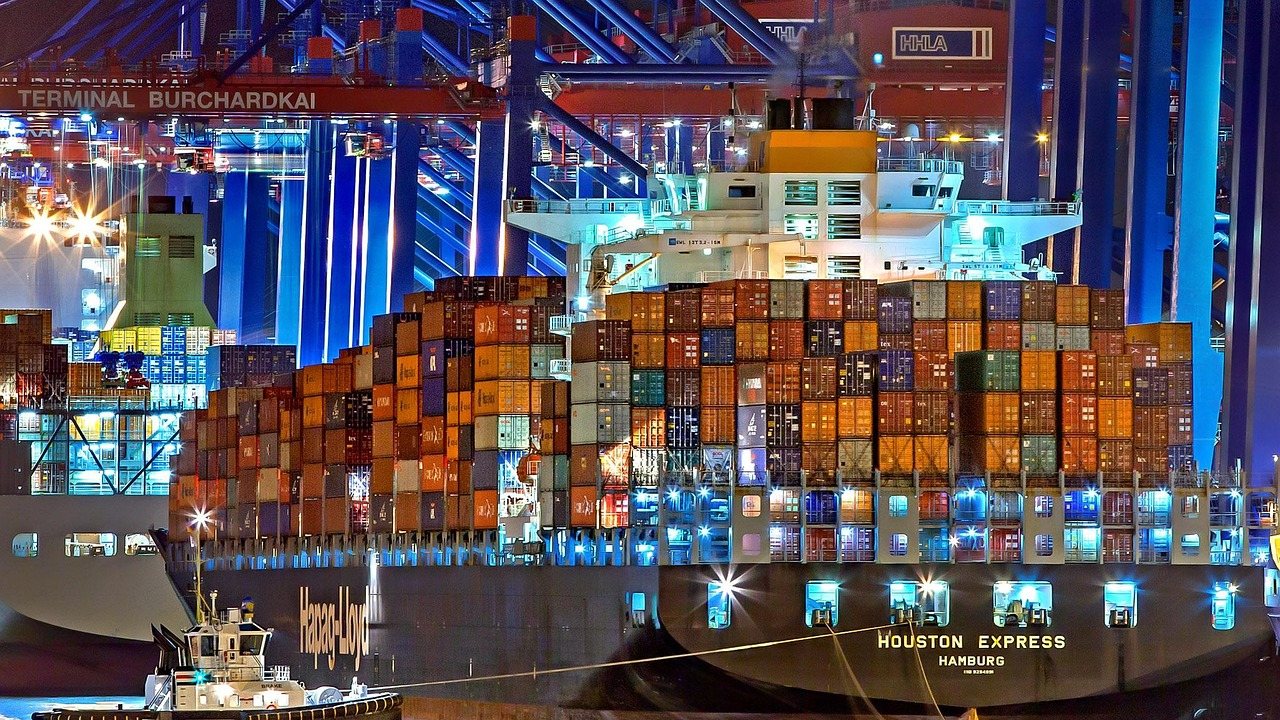
Formed in early 2025, the Gemini Cooperation brings together Maersk and Hapag-Lloyd. This alliance replaced the previous 2M alliance between Maersk and MSC. Gemini operates with a hub-and-spoke network model, concentrating mainline services on major hub ports and using feeder services for secondary ports. This design aims for higher schedule reliability, targeting 90% on-time performance. However, it means fewer direct port calls, which can add transit time for shippers whose cargo requires transshipment.
Ocean Alliance
The Ocean Alliance consists of CMA CGM, COSCO, Evergreen, and OOCL. It is the largest alliance by deployed capacity and offers extensive coverage across transpacific, Asia-Europe, and transatlantic trade lanes. The alliance provides a wide range of direct port calls, giving shippers good options for routing flexibility.
Premier Alliance
The Premier Alliance includes ONE (Ocean Network Express), HMM (Hyundai Merchant Marine), and Yang Ming. This alliance offers competitive service coverage on major East-West trades and is particularly strong on transpacific routes.
MSC: the independent giant
MSC, the world's largest container shipping line, now operates independently after the dissolution of 2M. With the largest fleet in the industry, MSC offers its own network of services without alliance constraints. This independence gives MSC flexibility in routing and capacity management.
How alliance changes affect shippers
The transition to new alliances has created both opportunities and challenges. Port coverage has shifted as Gemini's hub-and-spoke model reduces direct calls at some ports while improving reliability. Contract negotiations are affected because alliance membership determines which carriers can cover which routes. Schedule reliability varies as new alliances work through operational adjustments during their first year.
Choosing the right carrier
When selecting carriers, consider direct port coverage to your origin and destination ports, schedule reliability track records, alliance stability and long-term viability, and rate competitiveness across contract and spot markets.
ASR works with all major carriers
We maintain relationships with carriers across all alliances plus independent operators, giving our clients access to the widest range of routing options and competitive rates. Contact us at shipping@asrwe.com or request a quote at asrwe.com/quote.