The Law That Never Fired
On October 16, 2026 — just 48 hours before a sweeping set of Russia-related tariffs and sanctions were scheduled to take effect — President Trump signed an executive order suspending every operative section of the Lindsey O. Graham Sanctioning Russia and Iran Act of 2026. For U.S. importers who had been bracing for a fresh wave of secondary tariffs on goods from China, India, and other major Russian energy buyers, the waiver was a sudden reversal. But the situation remains fluid, the underlying law is still on the books, and the diesel supply dynamics that triggered the deal carry their own freight-cost implications. Here is a clear-eyed breakdown of what happened, why it happened, and what it means for your supply chain.
What the Graham Act Actually Said
The Lindsey O. Graham Sanctioning Russia and Iran Act of 2026 was signed into law by President Trump on September 18, 2026, and was passed by large bipartisan margins in Congress. It was named posthumously for Senator Lindsey Graham of South Carolina, who died in July and had lobbied heavily for the legislation.
The legislation authorized tariffs of up to 100 percent on goods from major buyers of Russian energy and sanctions on Russia's shadow tanker fleet. More specifically, the order waives the 500 percent tariff increase on Russian goods under Section 112, the 100 percent tariff on the top five importers of Russian crude oil and natural gas under Section 113, and the 100 percent tariff on the top five countries facilitating Russian oil sanctions evasion.
The law also imposed sanctions on the Russian shadow fleet, additional sanctions on Russian banks, further limits on Russia and Russian entities interacting with the American financial system, and limits on import or export of energy products to and from Russia. The five countries most exposed to the secondary tariff provisions were the world's largest buyers of Russian crude — a group that prominently includes China and India, two of the most critical sourcing markets for U.S. importers.
Why Trump Pulled the Trigger on a Waiver
President Trump signed an executive order on Friday waiving new sanctions and tariffs on Russia required under the Graham Act, just two days before they were set to take effect. The law gives the president the authority to waive portions of the law if he certifies to Congress that halting the sanctions is "in the national interests of the United States," a provision that Trump invoked in his executive order Friday.
The trigger was an escalating diesel crisis. Diesel prices have surged around the world as Ukraine has pounded Russian refineries, forcing Moscow to ban diesel exports to the global market. Iran and its Houthi allies have also attacked refineries in the Middle East, further constraining fuel supplies.
It is the second time in as many weeks that Trump has waived sanctions on Russia as he turns to Russian President Vladimir Putin to help relieve rising diesel prices. Trump's executive order comes after he made a deal with Russian President Vladimir Putin by which the Kremlin agreed to eventually release millions of tons of diesel into the global market amid soaring prices.
The Diesel Deal: Scope and Market Skepticism
Trump said Russia will immediately supply over 300,000 tons of diesel fuel to the American and global marketplace, another 500,000 tons during the month of November, and 1,000,000 tons immediately thereafter. Moscow will then deliver another 3 million tons of diesel based on the condition of Russia's refineries.
The Treasury Department's Office of Foreign Assets Control issued Russia-related General License 135, authorizing transactions involving the "sale, delivery, offloading, and importation of diesel fuel of Russian Federation origin" at Trump's direction.
However, market analysts have been measured in their expectations. Trump's diesel deal with Russia would supply the global market with 4.8 million metric tons, or nearly 36 million barrels total — equivalent to about 10 days of U.S. domestic demand or a little more than a single day of global demand. Goldman Sachs estimated the initial Russian release would only reduce wholesale diesel prices by one to two dollars per barrel. The U.S. is a net diesel exporter and does not need Russian supply, according to energy analysts — meaning the deal is aimed more at global market optics and political positioning ahead of November midterms than at directly refueling American trucks.
What the Waiver Does and Does Not Do
Trump's executive order does not repeal the Graham Act, but it suspends all of its new punitive provisions. He also waived the law's 500 percent tariffs on Russian goods and halted certain other sanctions on Russia, saying the waivers will remain in place until administration officials "determine that further action is appropriate" and directing members of his administration to "monitor" countries that import Russian energy or evade sanctions.
The executive order does not affect certain Russia-related sanctions imposed under previous executive orders, but it effectively nullifies the automatic mechanisms that were intended to force a rapid economic decoupling from Russia.
Importantly, Friday's executive order does not affect certain Russia-related sanctions imposed under previous executive orders. Importers and freight operators need to continue checking OFAC's Specially Designated Nationals list and existing designation lists, which remain operative regardless of the Graham Act waiver.
The Shadow Fleet Dimension: Why Freight Operators Must Stay Alert
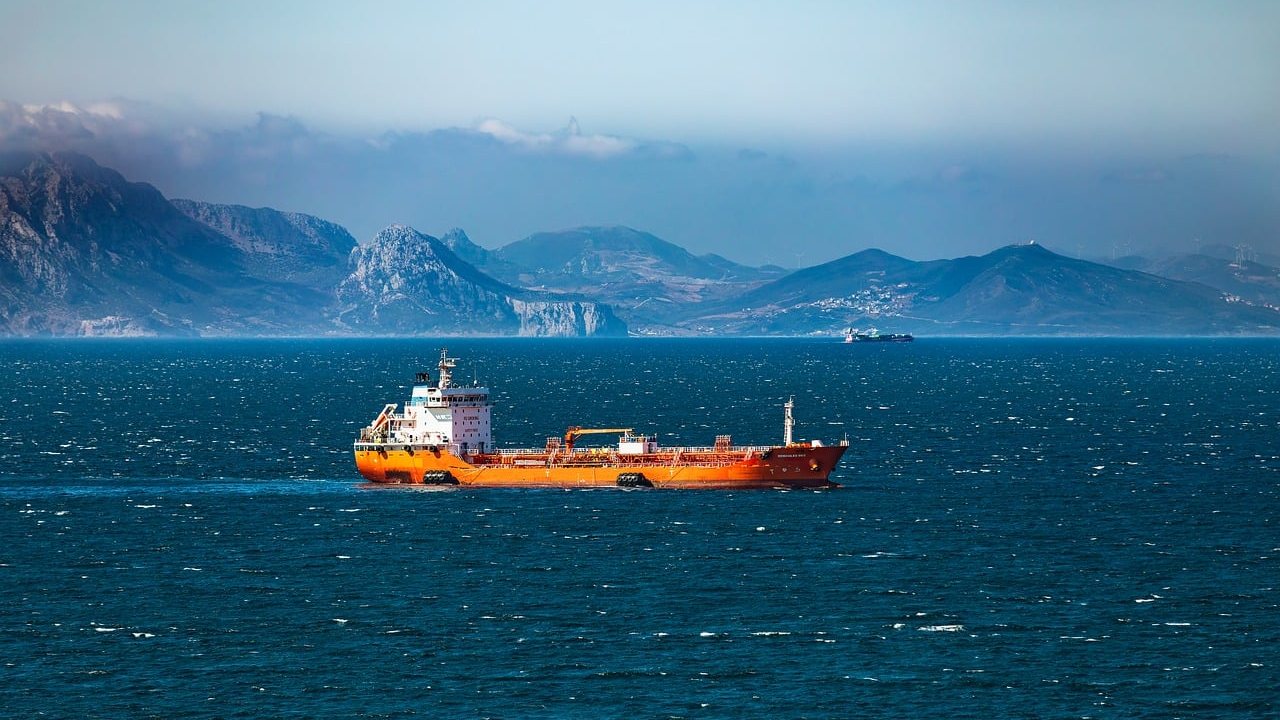
One of the Graham Act's most commercially significant provisions for global freight was its targeted attack on the shadow tanker fleet. The Graham Act explicitly targeted Russia's shadow fleet — the aging tankers that operate outside Western insurance, financing, and flagging systems, often with AIS transponders dark or spoofed to hide sanctioned cargoes. By waiving key new sanctions provisions aimed at these vessels, their owners, insurers, and related networks, the executive order eases prospective U.S. pressure on this trade.
Kpler Risk and Compliance data put the shadow fleet at 3,234 vessels in September 2026 — its highest level in 12 months, after adding 62 vessels that month. Windward's Q3 2026 data highlighted structural shifts, including a record number of dark-fleet tankers reflagging to Russia, with 223 Russia-flagged tankers in its tracked dark fleet and 84 reflagging in the quarter alone.
The waiver does not clear these vessels for mainstream Western commerce. Existing EU and UK designations on individual shadow-fleet tankers remain in force, and cargo moving on vessels that appear on existing sanctions lists continues to carry severe compliance exposure for any party in the transaction chain — including freight forwarders, NVOCCs, and importers.
Supply Chain Implications for U.S. Importers: Five Things to Watch
For U.S. importers, the immediate tariff threat from Section 113 secondary levies on Chinese and Indian goods has been suspended — but several downstream effects are still unfolding.
Diesel price relief, if it materializes, matters enormously to domestic supply chains. Since diesel is used to transport a broad range of goods as well as to harvest crops, its rising cost tends to trickle throughout the economy, boosting prices. Any meaningful reduction in distillate crack spreads would feed through to trucking spot rates, drayage costs, and last-mile delivery surcharges over the following weeks.
Secondary tariff risk has not disappeared — it has been deferred. By choosing to exercise his waiver authority, President Trump has maintained the ability to dictate the pace of future economic restrictions. If a geopolitical trigger reasserts pressure on the administration to reinstate the Graham Act's teeth, Section 113 tariffs of up to 100 percent on goods from China, India, and other major Russian energy buyers could be reimposed with relatively short notice.
India is expected to maintain Russian crude imports near current levels after the waiver. The law authorized tariffs of up to 100 percent on the five largest importers of Russian crude and gas plus sanctions on the shadow fleet; the waiver is not India-specific and could also benefit China. Importers sourcing from either country should track the administration's monitoring posture closely, as a shift in policy could quickly restore tariff exposure on goods from those origins.
The bipartisan criticism of the waiver means this issue will remain politically alive. Trump's decision to waive new sanctions on Russia drew sharp criticism from Republicans and Democrats alike, with several prominent GOP figures warning that the move could embolden Russian President Vladimir Putin. Congressional pressure to activate the Graham Act's provisions — or pass supplementary measures — should be treated as an ongoing compliance risk.
Finally, compliance teams need to maintain rigorous OFAC screening. The waiver does not lift existing U.S., EU, or UK designations on many shadow-fleet vessels, nor does it restore them to mainstream Western trade. Any supply chain that touches Russian-origin commodities, shadow-fleet vessel operators, or intermediaries in sanction-adjacent markets requires continued due diligence regardless of the Graham Act waiver.
How ASR Can Help
Navigating the intersection of sanctions compliance, secondary tariff exposure, and freight cost volatility requires experienced partners who monitor regulatory developments in real time. ASR WorldWide Express works with licensed customs broker partners to help importers assess their exposure, classify goods correctly, and document supply chain transactions in line with OFAC requirements and current CBP guidance. Whether you are sourcing from China, India, or other markets affected by the evolving Russia tariff landscape, our team is available to discuss your specific situation.
Contact us at +1 786 373 3003 or shipping@asrwe.com to speak with a freight forwarding specialist.
Important Disclaimer
This article is for informational purposes only and does not constitute legal, tax, or sanctions compliance advice. Sanctions regulations, tariff provisions, and OFAC guidance change rapidly and the situation described here was current as of October 18, 2026. Importers, exporters, and logistics operators should consult a licensed customs broker, trade attorney, or sanctions compliance specialist before making decisions based on this information.