A Brand-New Trade Weapon, Signed Into Law Yesterday
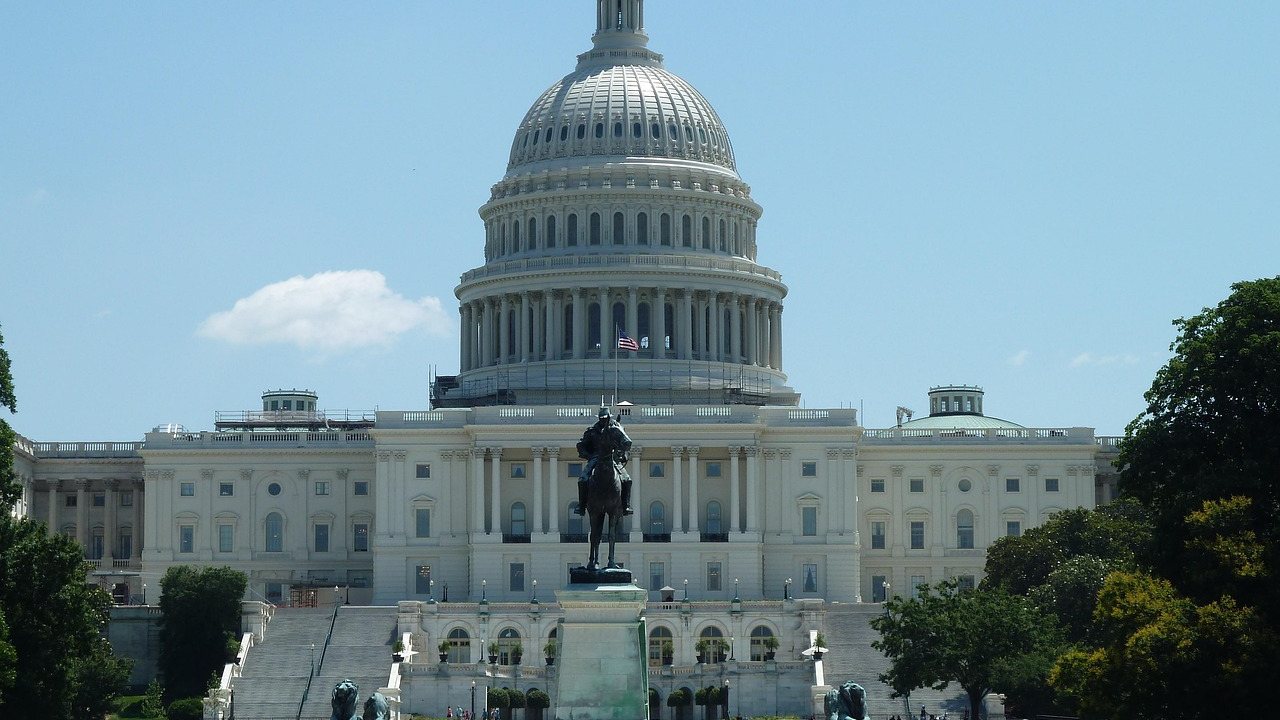
On September 18, 2026, President Trump signed the Lindsey O. Graham Sanctioning Russia and Iran Act of 2026, fundamentally reshaping the tariff landscape for any U.S. importer sourcing goods from China, India, Turkey, or other top buyers of Russian energy. The law is not a proposal or an executive order — it is a statute, passed with large bipartisan majorities and now on the books. A 30-day countdown to enforcement has begun, and U.S. importers who rely on suppliers in the at-risk countries need to understand what this law does, who it targets, and how to prepare — starting today.
What the Graham Act Actually Does
The law grants the executive branch authority to impose tariffs of up to 100% on goods from the five largest importers of Russian crude oil or natural gas. That is not a ceiling reserved for the worst offenders — it is the maximum that can be applied across an entire country's exports to the United States.
At the heart of the new law is a provision requiring the president to impose duties of up to 100% within 30 days on all goods imported from the five largest purchasers of Russian crude oil or natural gas. The law does not stop there. It also allows the president to impose a blanket tariff of 500% on Russian goods imported to the US and an additional 100% tariff on countries that facilitate sanctions evasion.
The legislation does not name specific countries, giving the president broad discretionary power to determine targets and waive penalties for national security reasons. The law authorizes the president to waive the duties, sanctions or restrictions after submitting to Congress a written national-interest certification and a report explaining the basis for the waiver. That waiver authority matters enormously — it means the law creates leverage more than it creates certainty, and the president can negotiate rather than automatically penalize.
Which Countries Are in the Crosshairs
The law directs the president to impose tariffs on all goods from any countries that, in the previous year, were among the five largest importers by total volume of crude oil or natural gas that originated in Russia. Through the end of August, China, India, and Turkey were the largest recipients of Russian crude oil, while the European Union received the most pipeline gas and liquefied natural gas.
The data behind those rankings is stark. In the first eight months of 2026, China imported 585 million barrels of crude oil from Russia, India imported 453 million, and Turkey imported 44 million. Hungary and Slovakia are also among countries that could be included in the list.
India, a major buyer of Russian crude, responded within 24 hours with a formal statement warning that additional U.S. tariffs would damage bilateral trade relations and vowing protective measures. China, as discussed below, finds itself in a particularly contradictory position given simultaneous LNG negotiations with Washington.
The Enforcement Clock: Mid-to-Late October 2026
President Trump signed the Graham Act on September 18, 2026, authorizing tariffs of up to 100% on U.S. goods imports from the five largest buyers of Russian crude oil or natural gas, with enforcement beginning in mid-to-late October 2026.
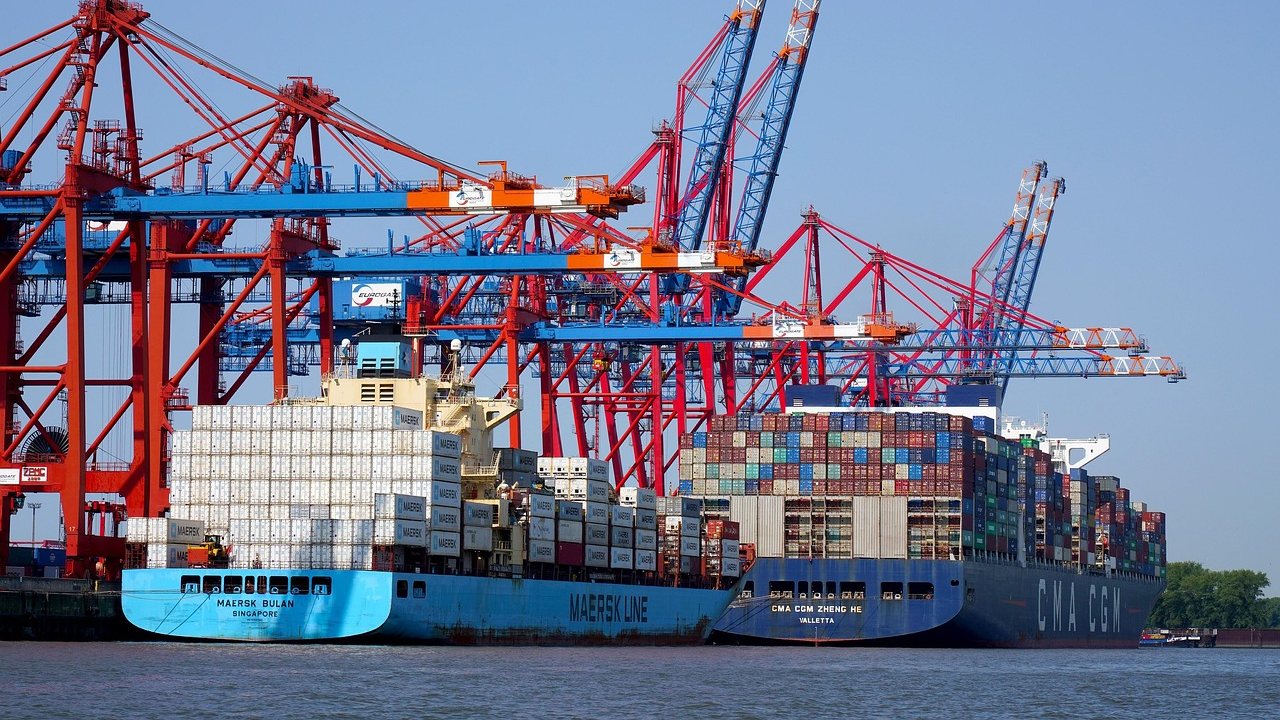
For U.S. importers, that timeline is uncomfortably short. Any goods currently in transit, on order, or being negotiated with Chinese, Indian, or Turkish suppliers could land in a completely different tariff environment than the one in which contracts were signed. Freight forwarders and customs broker partners will be watching the Federal Register closely for any implementing action, formal country designations, or waiver notices from the executive branch.
Critics and foreign policy analysts noted that the legislation grants the executive branch broad discretionary authority, enabling the president to impose secondary tariffs that could remain in place far beyond his administration. The new tariff authority expires after five years. Importers should not plan around this law disappearing quickly.
The LNG Paradox: Negotiating With a Target
Here is where the geopolitical picture becomes genuinely paradoxical — and directly relevant to anyone sourcing from China. On the very same day the Graham Act was signed, Reuters reported a competing diplomatic signal.
The U.S. and China are discussing a plan to reduce or eliminate China's tariffs on American LNG as part of a broader package of energy and agriculture agreements that could be announced when Chinese President Xi Jinping visits Washington next week. The potential relief on U.S. exports of liquefied natural gas is being discussed alongside a broader framework under which the U.S. and China would each cut tariffs on about $30 billion of goods.
The backdrop to those talks is telling. China imposed a 15% tariff on U.S. LNG in February 2025 in retaliation for President Trump's duties on Chinese goods, which effectively halted the U.S.-China LNG trade, with the last significant cargoes arriving early that year. The American LNG industry is entering a major expansion phase, with export capacity set to grow by roughly 10 billion cubic feet per day through 2027 as new and expanded facilities ramp up, with projects involving Cheniere Energy, Venture Global, Sempra, NextDecade, and Exxon Mobil among those adding capacity.
The contradiction is impossible to ignore: Washington is simultaneously threatening Beijing with 100% tariffs for buying Russian energy and trying to sell Beijing American LNG as an alternative. The waiver authority embedded in the Graham Act may be exactly the tool that resolves this tension — China buys U.S. LNG, reduces Russian purchases enough to drop off the top-five list, and avoids the penalty tariff. Whether that sequence actually unfolds is unknowable today, but importers need to plan for the full range of outcomes.
Supply Chain Implications for U.S. Importers
The practical impact of this law on U.S. import operations depends on which scenario plays out. If the president designates China, India, or Turkey as targets and does not waive the tariffs, importers sourcing from those countries would face an additional 100% duty on top of any existing tariffs — including existing Section 301 China duties that already exceed 100% on many product categories. For some supply chains, that would be a prohibitive combined rate.
Even if waiver authority is exercised, the uncertainty itself has supply-chain consequences. Suppliers in at-risk countries may demand contract renegotiation. Financing for purchase orders may tighten. Freight forwarders will need to confirm country of origin for any goods transiting through India, Turkey, or other potentially designated countries, since the law also targets countries facilitating sanctions evasion. A former U.S. Treasury official who worked on sanctions called the use of tariffs as a form of secondary sanctions an "untested tool," warning that Russia and its energy customers may call Washington's bluff, as the cost of carrying through on the threat — especially in the middle of trade negotiations with China — is nontrivial.
Importers should also note the law's shadow-fleet provisions. The law targets Russia's shadow fleet by blocking foreign vessels and sanctioning foreign persons that transport Russian energy without adequate maritime insurance or evade price caps established by the Price Cap Coalition. Ocean freight carriers and their compliance teams are already reviewing exposure.
How ASR Can Help
The Graham Act's 30-day clock, the Xi visit next week, and the simultaneous LNG tariff negotiations make this one of the most rapidly evolving trade-policy environments U.S. importers have faced in 2026. ASR WorldWide Express coordinates customs clearance through trusted licensed customs broker partners and has been tracking every major tariff development this year to keep clients ahead of disruption.
Whether your supply chain runs through China, India, Turkey, or any country that may be caught in the crossfire of secondary tariff designations, ASR can help you review your sourcing exposure, verify country-of-origin documentation, and coordinate logistics adjustments before mid-October deadlines arrive. Call our Miami team at +1 786 373 3003 or email shipping@asrwe.com to schedule a supply chain review.
Important Disclaimer
This article is informational only and does not constitute legal, tax, or trade-compliance advice. The Graham Act grants the president broad discretionary authority, and no formal country designations or implementing regulations had been published as of the date of this writing. Tariff applicability, waiver status, and enforcement timelines may change rapidly. Consult your licensed customs broker and legal counsel for guidance specific to your import program.