Understanding FTL and LTL
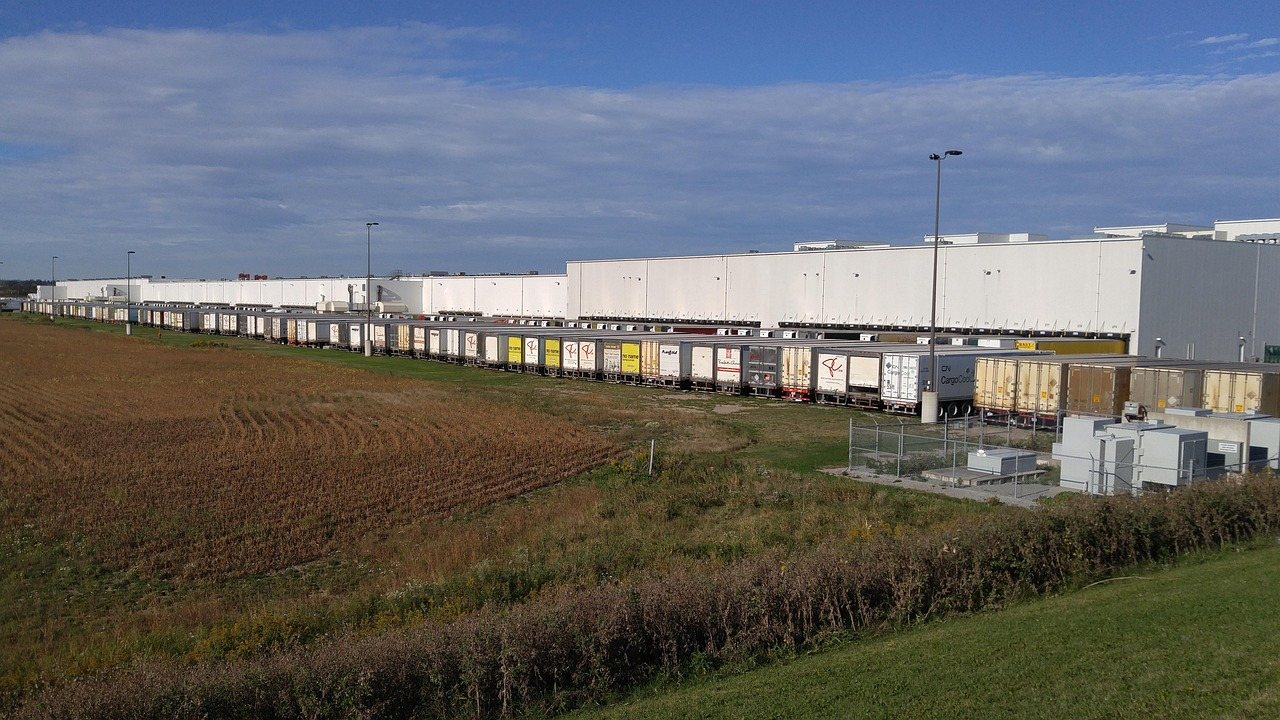
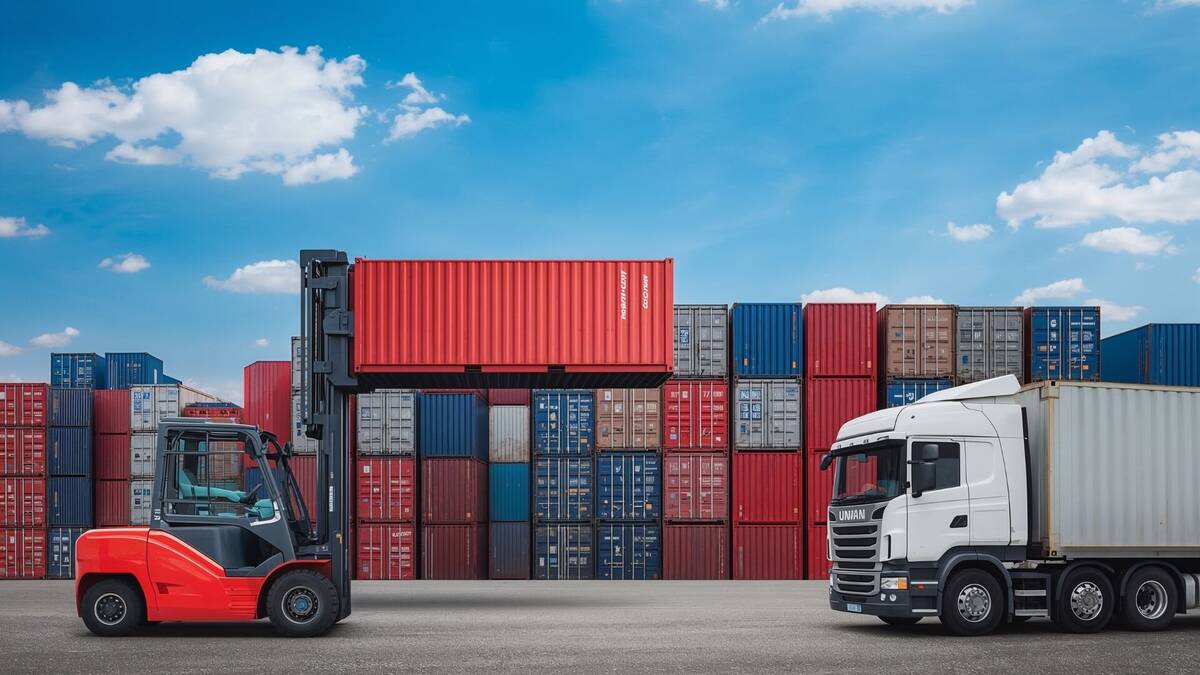
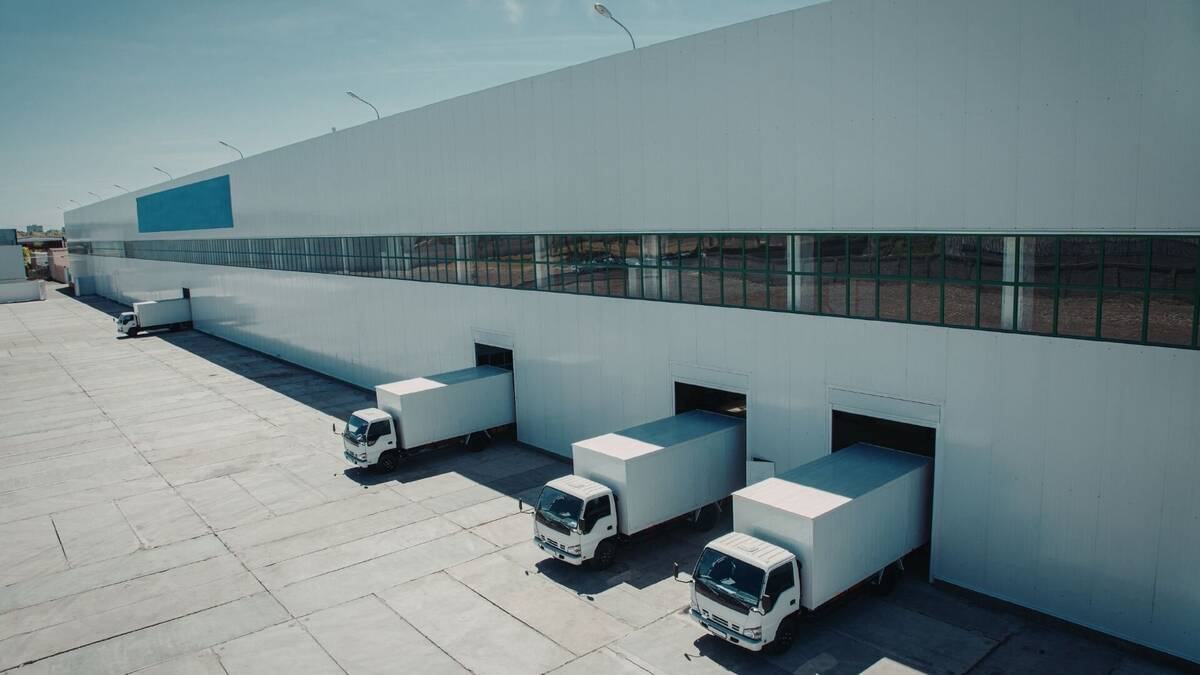
When shipping goods domestically within the United States, two primary trucking services are available. Full Truckload or FTL dedicates an entire trailer to your shipment. Less Than Truckload or LTL shares trailer space with freight from other shippers.
The choice between them affects your shipping cost, delivery speed, cargo handling risk, and scheduling flexibility.
When to choose FTL
FTL is the better option when your shipment weighs more than 10,000 pounds or fills more than half a standard trailer, when you need direct point-to-point delivery without stops, when goods are fragile or high-value and benefit from reduced handling, when you need a specific delivery appointment, and when shipping hazardous materials that cannot be co-loaded.
A standard dry van trailer is 53 feet long, 8.5 feet wide, and 9 feet tall, providing approximately 3,000 cubic feet of cargo space and a maximum payload of approximately 44,000 pounds.
When LTL makes sense
LTL is ideal when your shipment weighs between 150 and 10,000 pounds, when you are shipping palletized freight that does not fill a trailer, when cost per unit is more important than speed, and when you ship smaller quantities more frequently rather than large bulk loads.
Cost comparison
FTL pricing is based on per-mile rates plus fuel surcharges, typically ranging from $2 to $4 per mile depending on lane, season, and equipment type. A 1,000-mile FTL shipment might cost $2,500 to $4,000.
LTL pricing is based on freight class, weight, dimensions, and distance. Freight classes range from 50 to 500, with higher classes carrying higher rates. A 2,000-pound LTL shipment traveling 1,000 miles might cost $400 to $1,200.
The breakeven point where FTL becomes cheaper than LTL typically falls between 8,000 and 12,000 pounds, though this varies by lane and freight class.
Transit time differences
FTL shipments move directly from pickup to delivery without terminal stops. Transit times are predictable and typically range from 1 to 5 days depending on distance.
LTL shipments route through carrier terminals where freight is sorted and consolidated with other shipments heading to the same region. This hub-and-spoke model adds 1 to 3 days compared to FTL on the same lane, and transit times are less predictable.
Cargo risk
Every time freight is handled, touched, or moved, the risk of damage increases. FTL freight is loaded once and unloaded once. LTL freight may be handled 4 to 6 times as it moves through carrier terminals. For fragile, delicate, or high-value goods, FTL offers a significant advantage in cargo safety.
ASR domestic trucking services
We provide both FTL and LTL trucking services nationwide, including port drayage, intermodal transport, and final mile delivery. Our network of vetted carriers ensures reliable service at competitive rates. Contact us at shipping@asrwe.com or request a quote at asrwe.com/quote.