Cross-border trucking fundamentals
North American trade relies heavily on trucking. Trucks carry approximately 70% of US-Canada bilateral trade by value and roughly 80% of US-Mexico trade. The Laredo border crossing alone handles hundreds of thousands of truck crossings per month.
However, cross-border trucking involves additional complexity compared to domestic shipping, including customs clearance at both sides of the border, different regulatory frameworks, and potential delays from inspections and documentation issues.
US-Mexico freight
The border crossing process
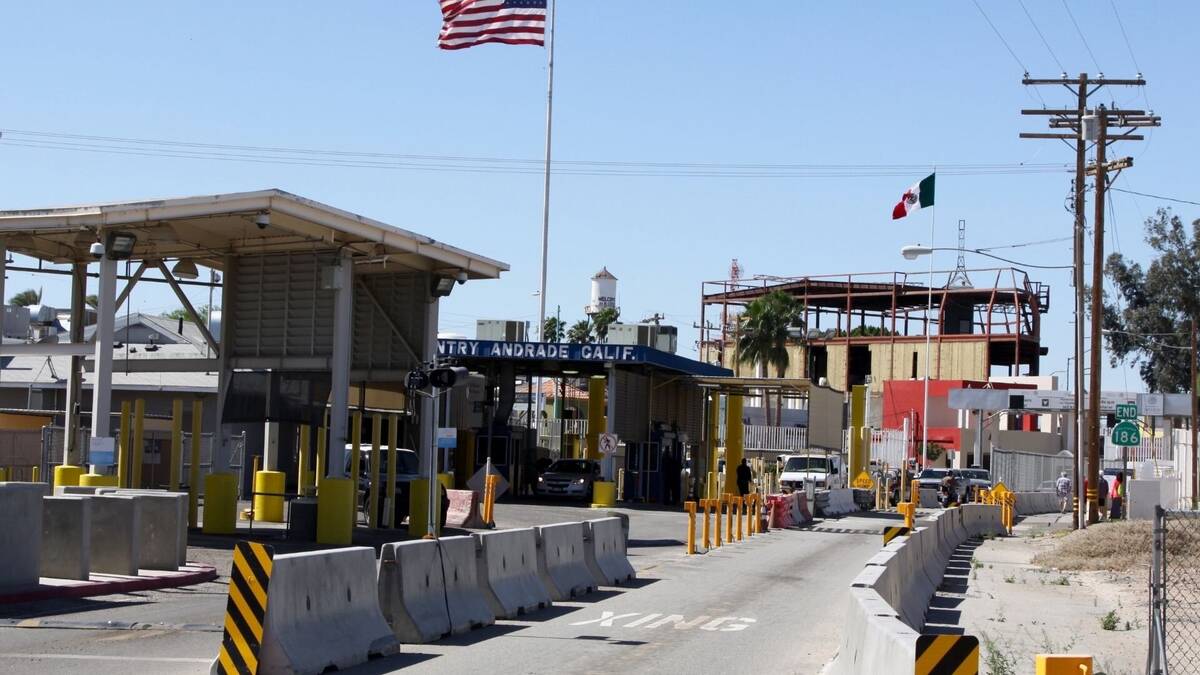
When a truck arrives at the US-Mexico border, it must clear customs on both sides. Southbound shipments require Mexican customs clearance and a Mexican customs broker called an agente aduanal. Northbound shipments require US customs clearance and a US customs broker.
Most cross-border trucking uses a transfer model where the cargo is picked up by a Mexican carrier, delivered to a border transfer facility, transloaded or the trailer is handed off to a US carrier, and the US carrier completes delivery. Direct through-service where a single carrier handles the entire journey is less common due to cabotage restrictions.
Key documentation
A commercial invoice and packing list are required for all shipments. A USMCA Certificate of Origin is needed if claiming preferential duty treatment. A bill of lading covers each leg of the journey. A Mexican pedimento is the Mexican customs entry document. CBP Form 7501 is the US customs entry summary.
The Laredo corridor
The Laredo-Nuevo Laredo corridor on Interstate 35 is the busiest commercial border crossing in North America. Trade volume through Laredo has been increasing, driven by nearshoring trends as manufacturers shift production from China to Mexico. This growth has created congestion challenges but also improved service frequency and carrier options.
US-Canada freight
Smoother but still regulated
US-Canada cross-border trucking is generally simpler than US-Mexico due to harmonized regulatory standards, electronic pre-clearance programs, and strong infrastructure at major crossings like Detroit-Windsor and Buffalo-Fort Erie.
However, compliance requirements still apply. Canadian customs clearance requires a Canadian customs broker. USMCA origin rules must be verified for duty-free treatment. Safety and weight regulations differ between US states and Canadian provinces.
Key considerations
Border wait times vary by crossing and time of day. The FAST (Free and Secure Trade) program provides expedited processing for pre-approved carriers, importers, and drivers. C-TPAT (Customs-Trade Partnership Against Terrorism) enrollment further streamlines crossings.
USMCA impact on cross-border trucking
USMCA has increased documentation requirements for certain product categories, particularly automotive and textiles, where specific rules of origin must be met. However, goods that qualify for USMCA treatment enter duty-free, making compliance well worth the administrative effort.
ASR cross-border services
We provide cross-border trucking solutions for US-Mexico and US-Canada trade lanes, including customs clearance on both sides of the border, USMCA compliance, and door-to-door service. Contact us at shipping@asrwe.com or +1 786 373 3003.