What is drayage?
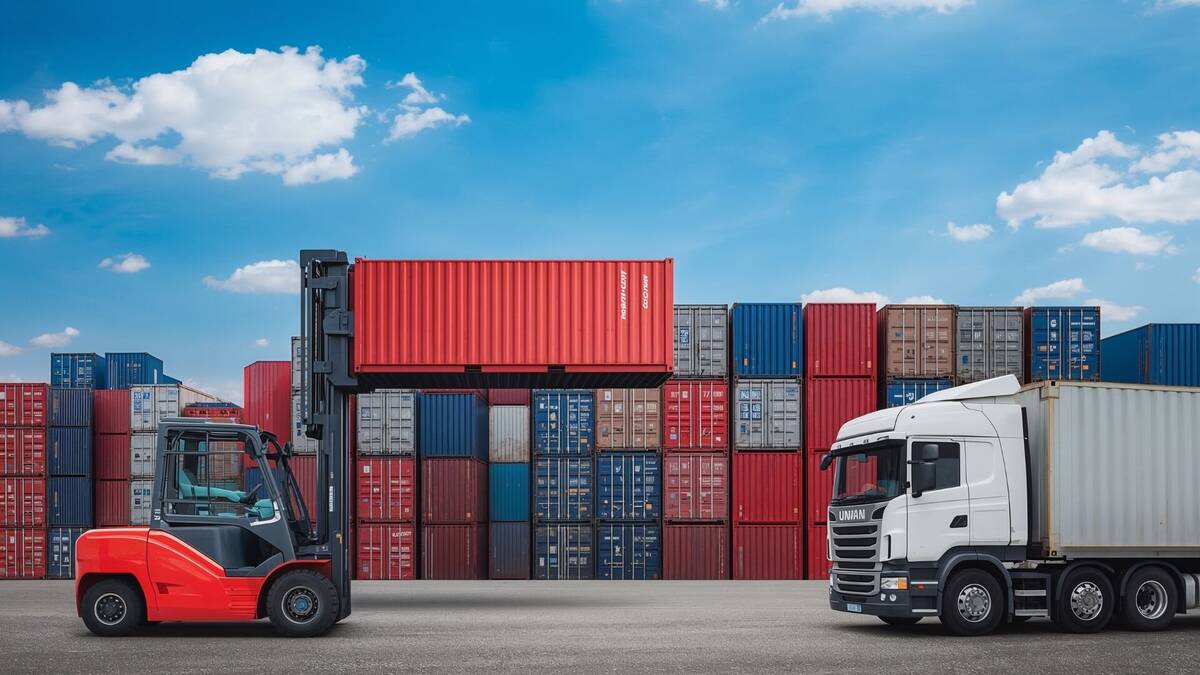
Drayage is the short-distance transportation of shipping containers, typically between a port terminal, rail yard, warehouse, or distribution center. While the distance is short, usually under 100 miles, drayage is one of the most critical links in the international supply chain.
A delay or failure in drayage can trigger demurrage charges at the port, missed delivery windows at your warehouse, and cascading delays throughout your distribution network.
Types of drayage
Port drayage moves containers from the port terminal to a nearby warehouse, distribution center, or rail yard. This is the most common form and what most people think of when they hear the term drayage.
Inter-carrier drayage transfers containers between different transportation modes, such as from a port to a rail terminal or between two rail yards.
Intra-carrier drayage moves containers between facilities operated by the same carrier, such as between two terminals within the same port complex.
Shuttle drayage involves moving containers to a temporary storage or staging area near the port when the final destination is not ready to receive the cargo.
How drayage pricing works
Drayage rates are typically quoted as a flat rate per container move, with additional charges for fuel surcharges, chassis usage fees if the truck uses a rented chassis, port congestion surcharges during peak periods, wait time charges if the truck is detained at the port or warehouse, and overweight container surcharges.
Rates vary significantly by port, distance, and market conditions. At major US ports like Los Angeles, Long Beach, and New York/New Jersey, drayage rates typically range from $300 to $800 per container move for distances under 50 miles.
Common drayage challenges
Port congestion is the biggest challenge, particularly at major gateways. During peak seasons, trucks may wait 2 to 4 hours to pick up or drop off a container, which increases costs through wait time charges and reduces the number of moves a driver can complete per day.
Chassis availability has been a persistent issue. Containers need a chassis, which is the wheeled trailer frame, to be transported by truck. Chassis shortages at ports can delay pickups by days.
Appointment systems at port terminals require drivers to book pickup and delivery slots in advance. Missing an appointment means rebooking, which can push your container pickup back by days.
Tips for efficient drayage
Work with a freight forwarder who has strong drayage relationships at your port of entry. Pre-file customs paperwork so your container is cleared before you attempt to pick it up. Book drayage early, especially during peak season. Ensure your warehouse has a delivery appointment confirmed before the truck departs the port.
ASR drayage services
We coordinate drayage at all major US ports including Miami, Los Angeles, Long Beach, New York/New Jersey, Savannah, and Houston. Our network of vetted drayage providers ensures reliable, timely container movement. Contact us at shipping@asrwe.com or +1 786 373 3003.