What is a bonded warehouse?
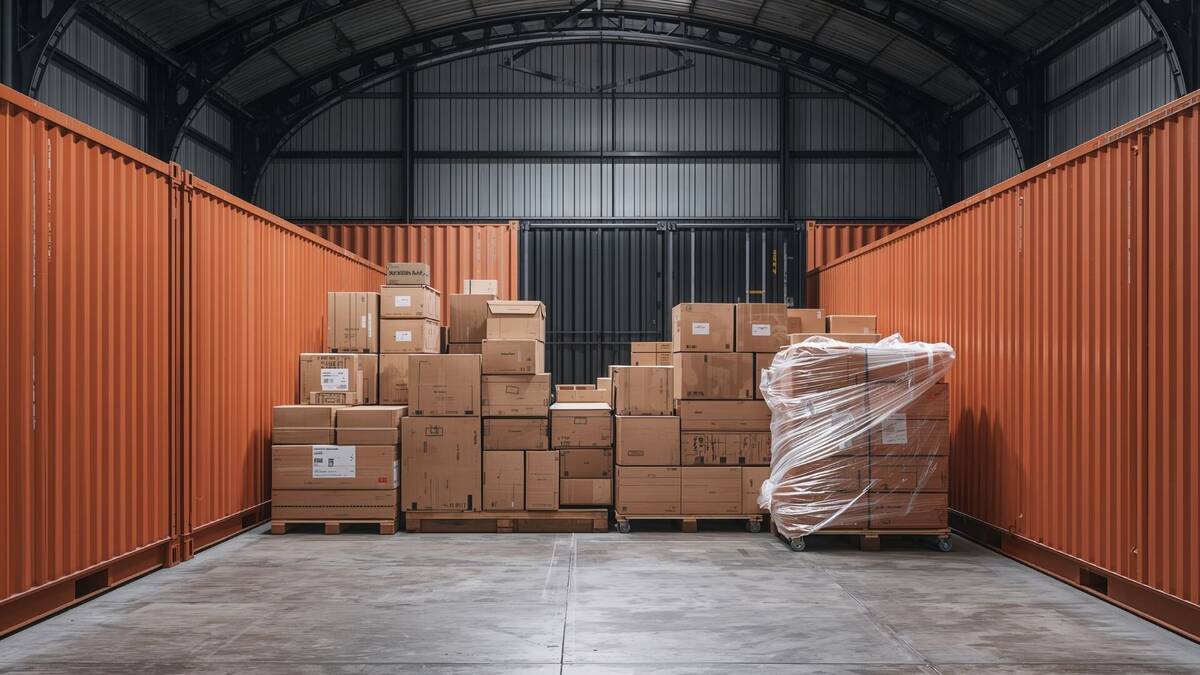
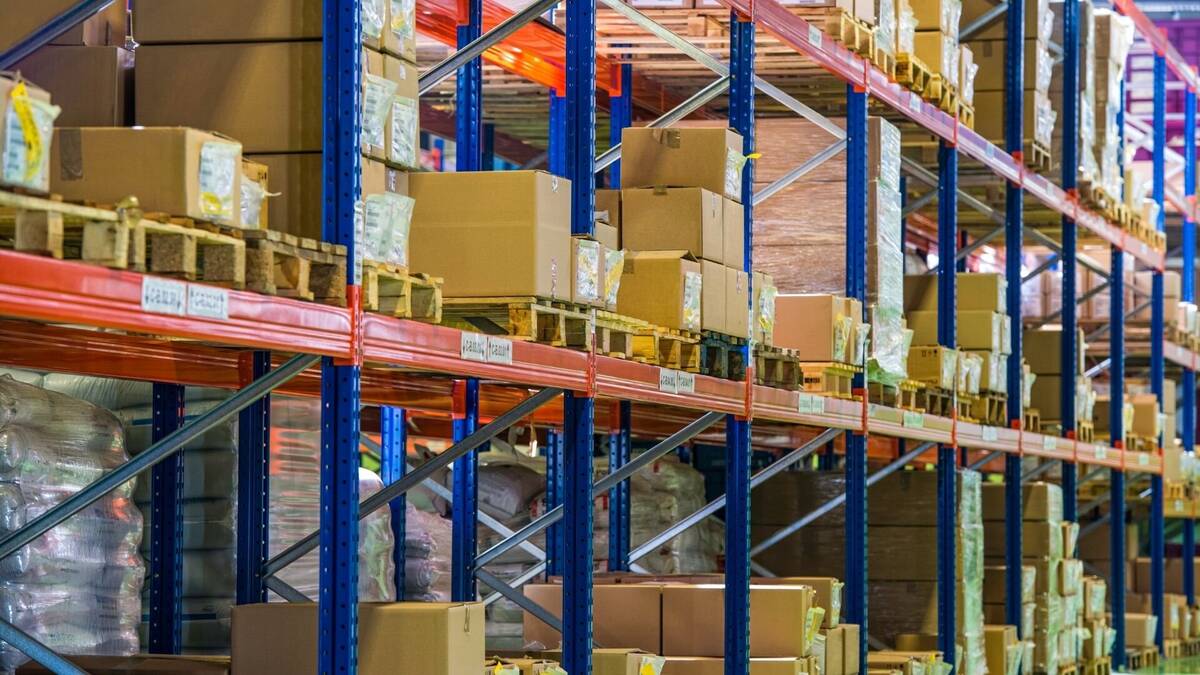
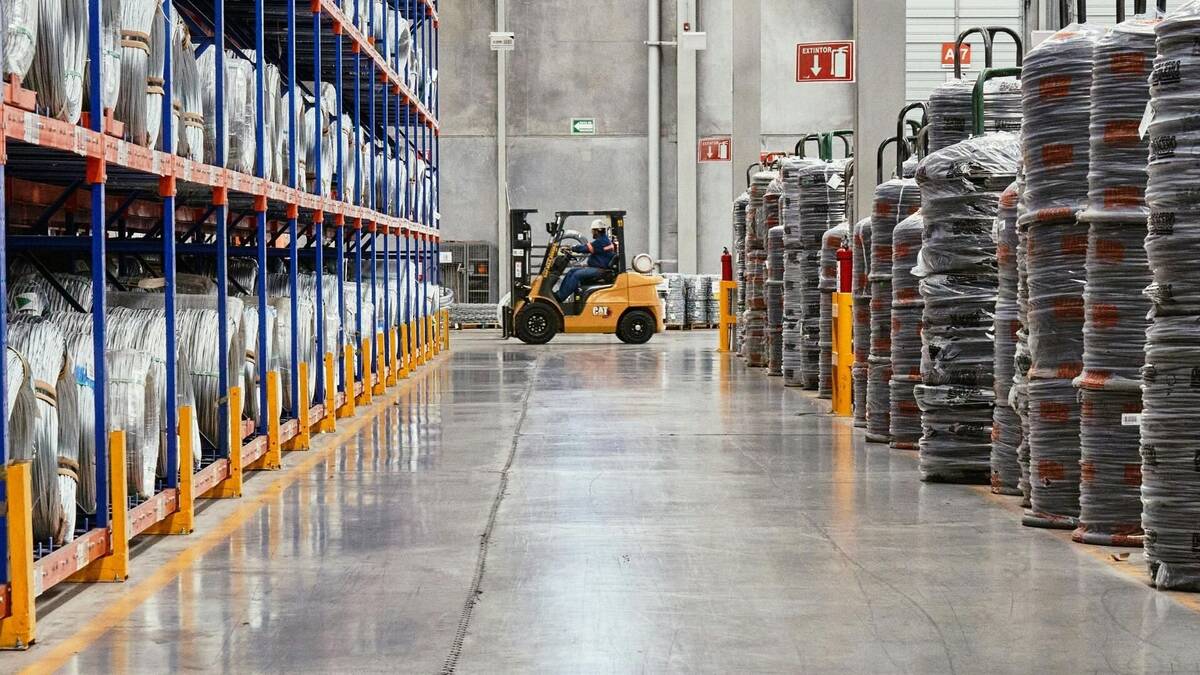
A bonded warehouse is a secured facility authorized by US Customs and Border Protection where imported goods can be stored without payment of duties or taxes. Duties are only due when the goods are withdrawn from the warehouse for consumption in the US market. Goods can remain in a bonded warehouse for up to five years.
This duty deferral mechanism provides significant cash flow advantages for importers who do not need immediate access to their entire inventory.
How bonded warehousing works
When your imported goods arrive at a US port, instead of filing a consumption entry and paying duties immediately, your customs broker files a warehouse entry. The goods are transported to the bonded warehouse under customs supervision. No duties are paid at this point.
When you need inventory for sale or distribution, you withdraw goods from the warehouse and file a withdrawal entry. Duties are paid only on the quantity withdrawn, not the entire import.
Benefits of bonded warehousing
Cash flow improvement is the primary benefit. Instead of paying duties on your entire shipment at the time of import, you pay incrementally as goods are withdrawn for sale. This can represent significant working capital savings, especially for high-duty products.
Re-export flexibility allows you to export goods from a bonded warehouse without ever paying US duties. If you import goods and then export some to other countries, bonded warehousing eliminates duty exposure on the re-exported portion.
Duty rate timing lets you take advantage of tariff changes. If duty rates decrease after you import, you can withdraw goods at the lower rate. This was particularly relevant during the IEEPA tariff period and subsequent Section 122 transition.
Bonded warehouse vs Foreign Trade Zone
While both defer duties, they serve different purposes. Bonded warehouses are primarily for storage with limited manipulation allowed, such as repackaging or relabeling. Foreign Trade Zones (FTZs) allow manufacturing, assembly, and substantial transformation of goods, with the added benefit of inverted tariff treatment where finished goods may qualify for lower duty rates than raw materials.
When bonded warehousing makes sense
Consider bonded warehousing when you import high-duty goods and want to defer payment, when you plan to re-export some imported goods, when you want flexibility to take advantage of tariff rate changes, and when your sales cycle is longer than your cash conversion cycle.
ASR warehousing services
We offer bonded and non-bonded warehousing solutions with integrated customs clearance for seamless duty management. Contact us at shipping@asrwe.com or +1 786 373 3003 to discuss your warehousing needs.