What is bonded warehousing?
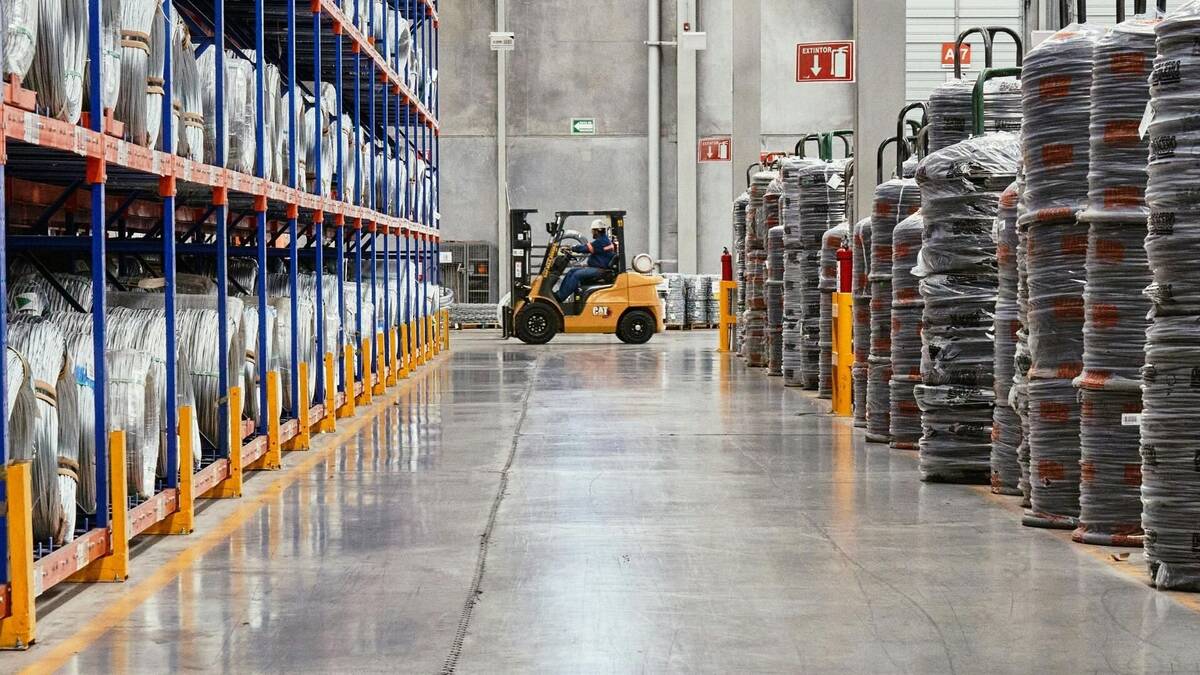
A bonded warehouse is a secure storage facility authorized by US Customs and Border Protection (CBP) where imported goods can be stored for up to five years without paying import duties or taxes. Duties are only assessed when goods are withdrawn for domestic consumption.
This creates significant financial advantages for importers who re-export goods, need time to find buyers, or want to improve cash flow by deferring duty payments.
What is non-bonded warehousing?
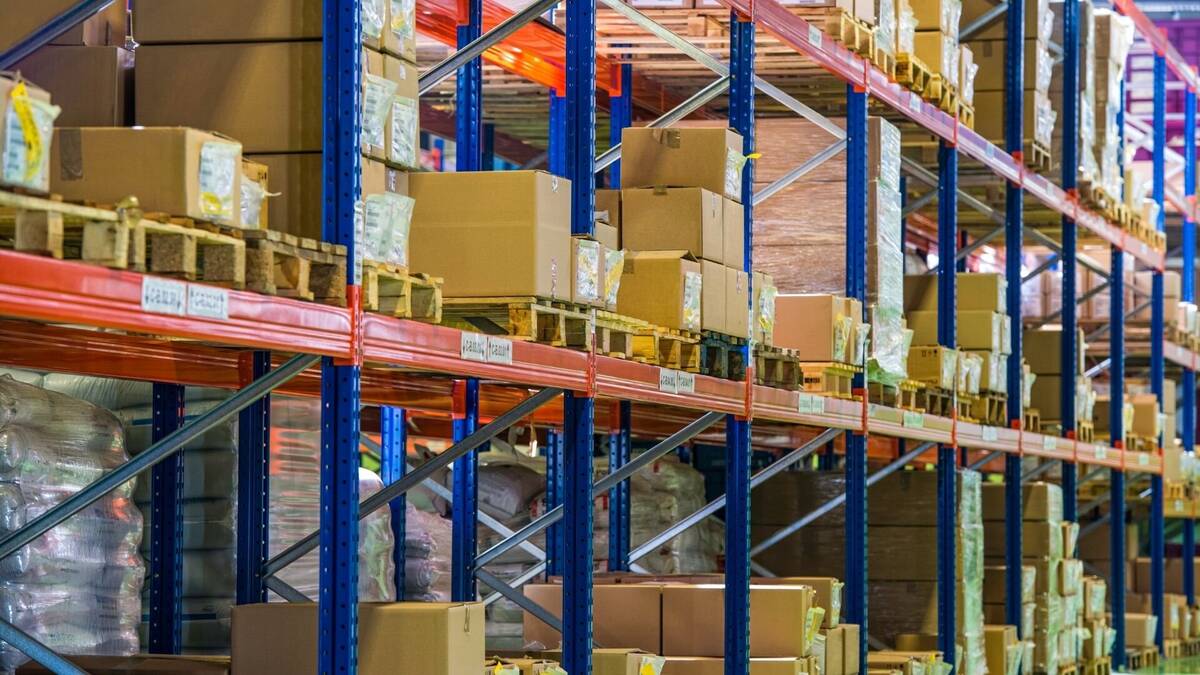
Non-bonded warehousing is standard commercial storage where all applicable duties and taxes have already been paid. The goods are freely available for domestic sale or distribution without any customs restrictions.
Non-bonded facilities are simpler to operate and have fewer regulatory requirements, making them ideal for straightforward domestic distribution.
Key differences
The primary differences come down to duty payment timing, regulatory oversight, and operational flexibility. In a bonded facility, duties are deferred until goods enter US commerce. In a non-bonded facility, duties are paid at the time of import, before goods reach the warehouse.
Bonded warehouses are subject to CBP oversight, including periodic audits, inventory controls, and strict security requirements. Non-bonded warehouses operate under standard commercial regulations only.
When bonded makes sense
Bonded warehousing is advantageous when you import goods for re-export and want to avoid paying duties entirely, when you need time to find domestic buyers before committing to duty payments, when you want to improve cash flow by deferring large duty payments, and when you're using Foreign Trade Zone benefits for manufacturing or assembly operations.
When non-bonded is better
Non-bonded warehousing is simpler and often more cost-effective when your goods are destined for immediate domestic sale, when duty rates are low and deferral savings are minimal, when you need maximum flexibility without customs compliance overhead, and when your inventory turns quickly.
ASR warehousing solutions
We offer both bonded and non-bonded warehouse solutions at strategic locations near major ports. Our team helps you analyze your duty exposure, inventory patterns, and supply chain needs to recommend the right storage strategy. Contact us at shipping@asrwe.com.