What is 3PL?
Third-party logistics, commonly abbreviated as 3PL, is the practice of outsourcing logistics operations to a specialized external provider. Instead of managing your own warehouses, trucks, and fulfillment staff, you partner with a 3PL company that handles these functions on your behalf.
The 3PL provider acts as an extension of your business, managing receiving, storage, order fulfillment, shipping, and sometimes even returns processing. This allows you to scale your logistics capabilities without the capital investment and operational complexity of building them in-house.
How does 3PL work?
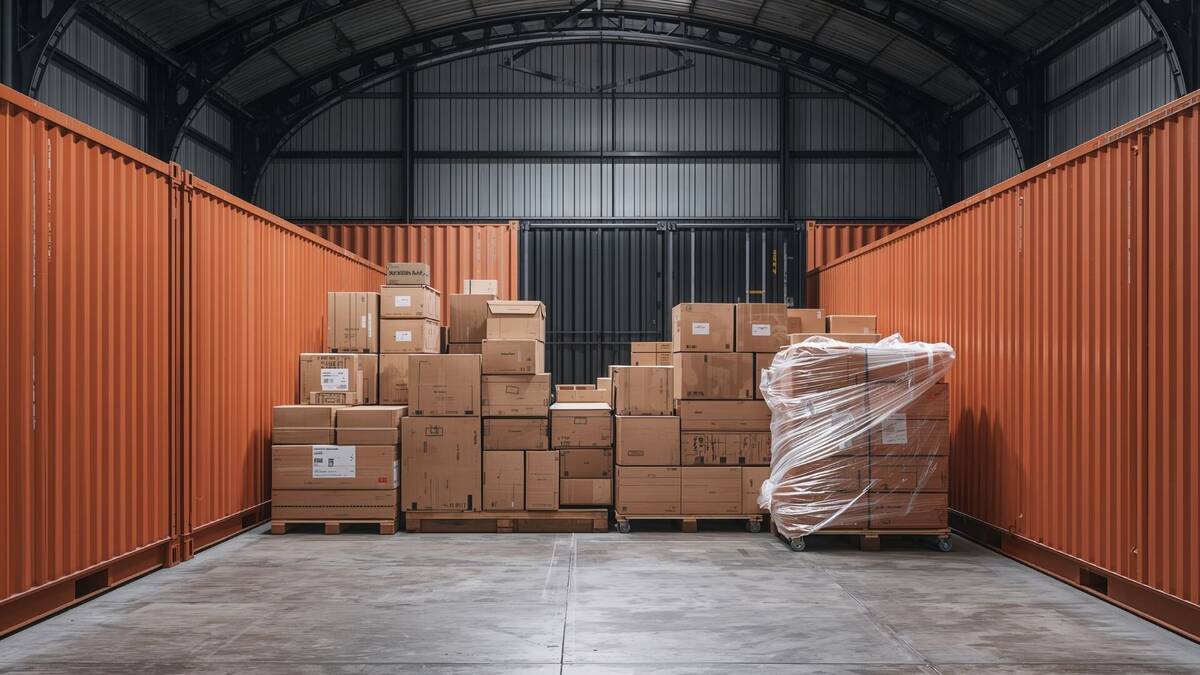
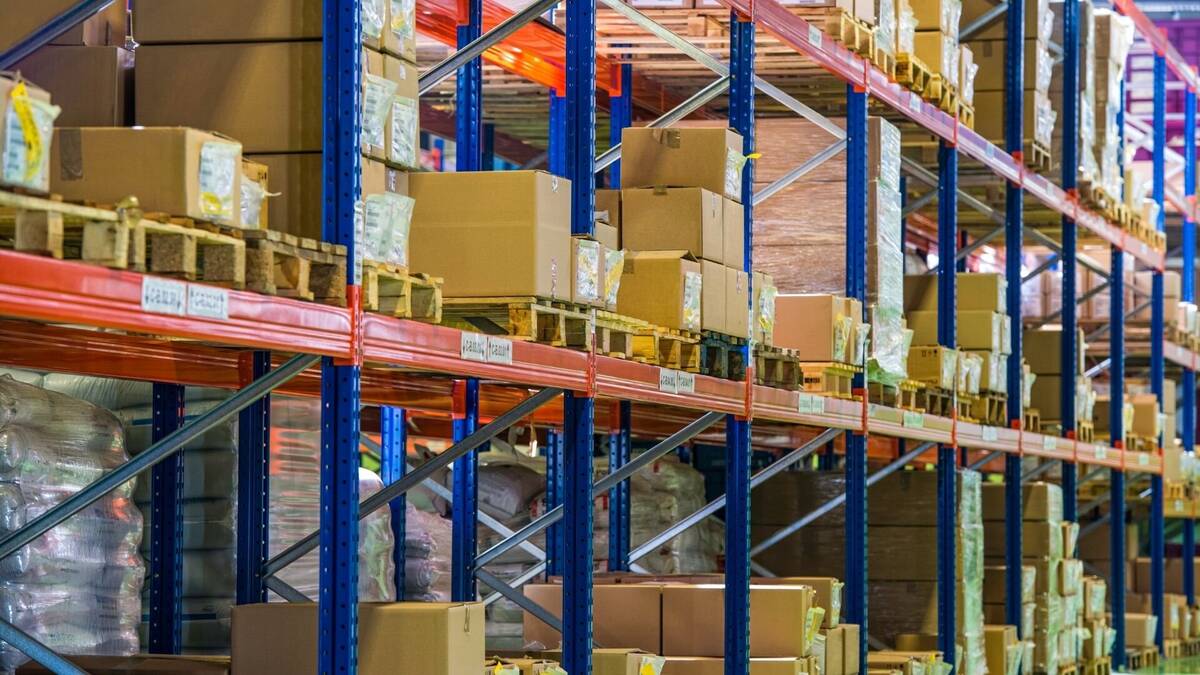
The typical 3PL arrangement works like this. You ship your inventory to the 3PL's warehouse, either from your manufacturer (for importers) or from your production facility. The 3PL receives, inspects, and stores your inventory in their facility.
When orders come in, the 3PL picks, packs, and ships them using your preferred carriers or their own negotiated rates. They provide real-time inventory visibility through their warehouse management system (WMS), and they handle returns and reverse logistics as needed.
Types of 3PL services
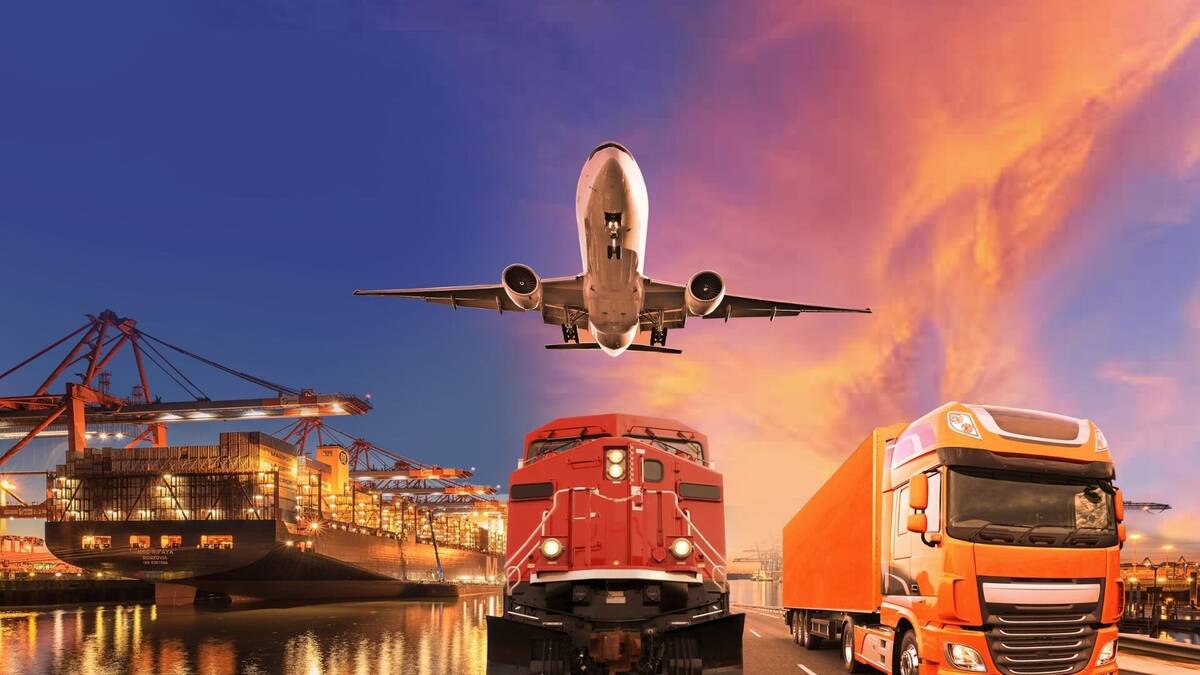
3PL services range from basic to comprehensive. Transportation-based 3PLs focus primarily on moving goods between locations via truck, rail, ocean, or air. Warehouse-based 3PLs provide storage, fulfillment, and distribution services. Full-service 3PLs offer end-to-end logistics including freight forwarding, customs clearance, warehousing, and distribution — this is what ASR WorldWide Express provides.
Some providers have evolved into 4PL (fourth-party logistics), where they manage your entire supply chain including coordinating other 3PLs.
When should you use a 3PL?
Consider switching to a 3PL when your order volume is growing faster than your logistics capacity, you're expanding into new markets or geographic regions, you're spending too much time on logistics instead of core business activities, your warehousing costs are unpredictable or escalating, or you need specialized capabilities like cold storage, hazmat handling, or customs expertise.
The break-even point varies by industry, but most businesses find 3PL cost-effective once they're processing more than 100 orders per month or importing more than a few containers per quarter.
Benefits of 3PL
The advantages compound over time. Cost reduction comes from shared infrastructure and volume-based carrier rates. Scalability means you can handle peak seasons without owning excess warehouse space year-round. Expertise in customs, documentation, and trade compliance reduces errors and delays. Technology access provides warehouse management systems, tracking, and analytics.
Choosing a 3PL partner
Look for industry experience in your product category, geographic coverage matching your trade lanes, technology integration with your systems, transparent pricing, scalability, and cultural fit. Visit their facilities, speak with existing clients, and start with a trial period before committing long-term.
ASR WorldWide Express provides full-service 3PL from Miami, combining international freight forwarding with bonded and non-bonded warehousing. Get started at asrwe.com/quote.