What are the types of logistics?
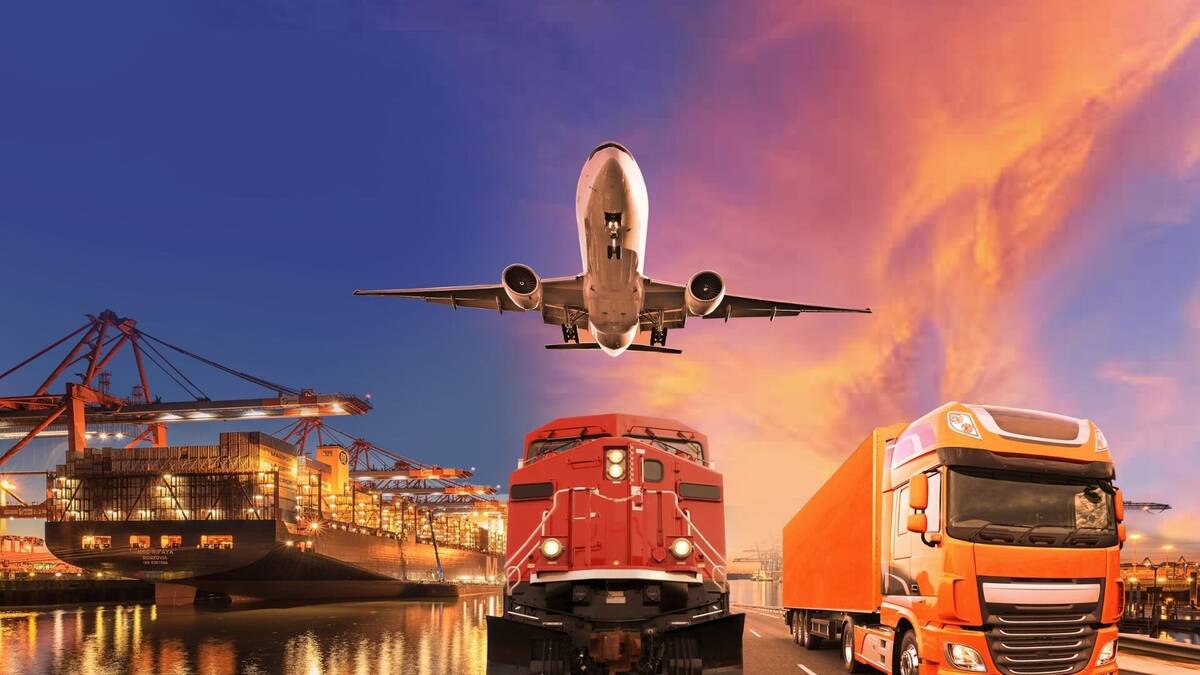
Logistics encompasses all activities involved in getting products from point A to point B. While the concept seems straightforward, logistics is actually divided into several specialized types, each serving a distinct function in the supply chain.
Understanding these types helps businesses optimize their operations, reduce costs, and improve customer satisfaction.
1. Inbound logistics
Inbound logistics covers everything involved in receiving raw materials, components, or finished goods from suppliers. This includes sourcing and procurement, supplier management, transportation from supplier to warehouse, receiving and quality inspection, and inventory storage and management.
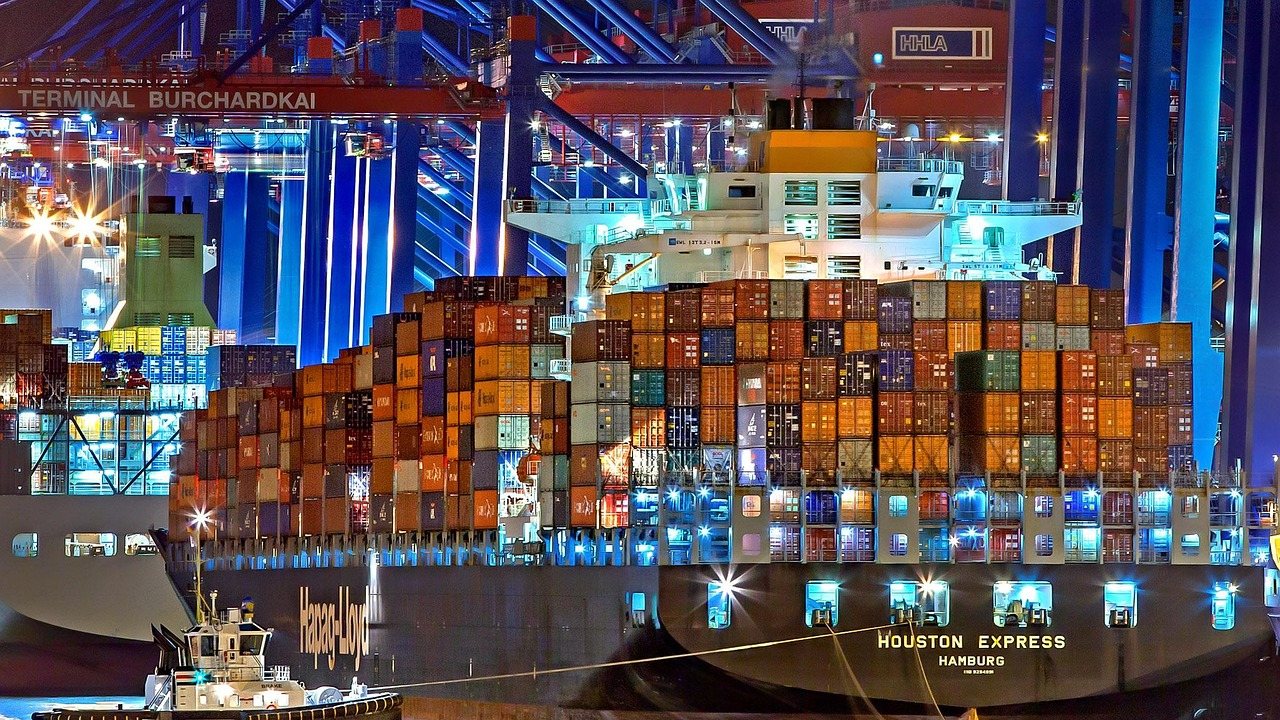
For importers, inbound logistics involves international freight forwarding, customs clearance, and drayage from port to warehouse. Getting inbound logistics right is critical because delays or errors cascade through your entire production and sales process.
2. Outbound logistics
Outbound logistics is the process of moving finished products from your warehouse to the end customer. This includes order processing and fulfillment, picking, packing, and shipping, last-mile delivery, and delivery confirmation and proof of delivery.
For B2B companies, outbound logistics might involve LTL or FTL trucking to distribution centers. For e-commerce businesses, it means parcel shipping to individual consumers. The efficiency of outbound logistics directly impacts customer satisfaction and repeat business.
3. Third-party logistics (3PL)
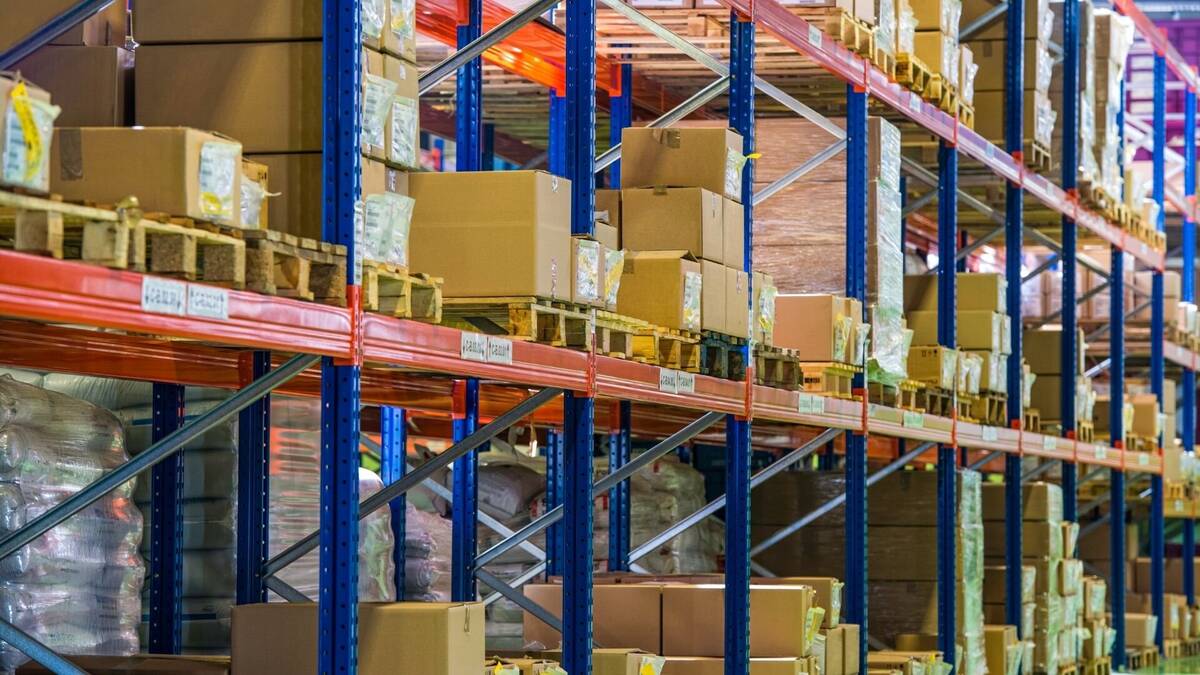
Third-party logistics means outsourcing your logistics operations to a specialized provider. A 3PL company handles warehousing, transportation, fulfillment, and sometimes even customer service on your behalf.
The advantages include lower capital investment since you don't need to own warehouses or trucks, scalability to handle seasonal volume fluctuations, access to expertise and technology you couldn't afford in-house, and the ability to focus on your core business while logistics experts handle the rest.
The 3PL market has grown rapidly as businesses recognize that logistics expertise is best left to specialists. Companies like ASR WorldWide Express provide comprehensive 3PL services including warehousing, freight management, and customs clearance.
4. Reverse logistics
Reverse logistics handles the flow of goods from the customer back to the seller or manufacturer. This includes product returns and exchanges, warranty repairs, recycling and disposal, and remanufacturing or refurbishment.
Reverse logistics has become increasingly important with the growth of e-commerce, where return rates can exceed 30% for some product categories. An efficient reverse logistics process protects your margins and maintains customer trust.
5. Green logistics
Green logistics focuses on minimizing the environmental impact of logistics operations. This includes optimizing routes to reduce fuel consumption, using sustainable packaging materials, consolidating shipments to reduce empty miles, choosing carriers with lower carbon footprints, and implementing warehouse energy efficiency measures.
As consumers and regulators increasingly prioritize sustainability, green logistics is becoming a competitive advantage rather than just a cost center.
How these types work together
In practice, these five types of logistics don't operate in isolation. A well-designed supply chain integrates all five into a seamless system. For example, efficient inbound logistics feeds into smooth outbound logistics, while 3PL providers can manage both while incorporating green logistics practices and handling reverse logistics for returns.
How ASR can help
We provide end-to-end logistics services covering inbound freight forwarding, outbound distribution, 3PL warehousing, and sustainable shipping options. Use our tools at asrwe.com/tools to calculate CBM, estimate insurance, and find the nearest ports.