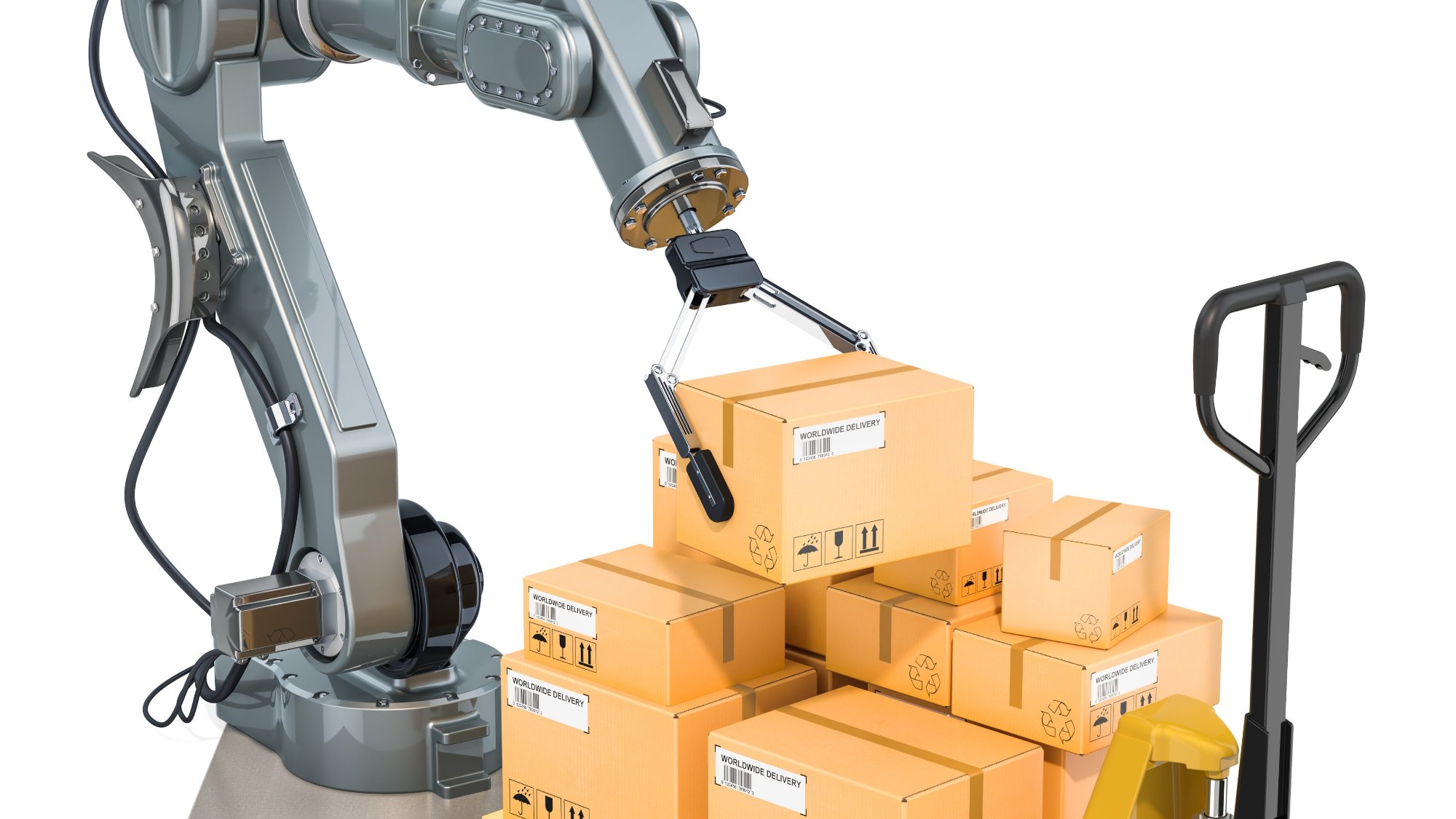
Artificial intelligence is transforming industries at remarkable speed, and logistics is no exception. From predictive ETAs to automated document classification, AI promises to make freight forwarding faster, cheaper, and more accurate. But as industry observers at Talking Logistics have pointed out, the biggest challenge is not the technology itself — it is the data that feeds it.
The data quality problem
AI models are only as good as the data they consume. In freight forwarding, data quality remains a persistent problem. Shipment records are often incomplete, inconsistently formatted, or trapped in silos across different systems. A forwarding operation might use one system for ocean bookings, another for customs filing, a third for trucking dispatch, and email for everything in between.
When this fragmented data is fed into AI tools, the outputs are unreliable. A predictive ETA model trained on inconsistent departure data will produce inconsistent predictions. A document classification tool that encounters varying formats across different carriers will misclassify entries.
Why freight data is uniquely messy
Freight forwarding involves multiple parties across multiple jurisdictions, each with their own systems and standards. A single ocean shipment from Shanghai to Miami might generate data from the shipper, the origin forwarder, the ocean carrier, the destination customs broker, the drayage provider, and the consignee. Each party may use different identifiers, date formats, and terminology.
This complexity is compounded by the industry's reliance on manual data entry. Despite decades of digitization efforts, a significant portion of freight data still originates from PDF documents, scanned paperwork, and email attachments.
What forward-thinking forwarders are doing
The forwarders making the most progress with AI are those investing in data infrastructure before deploying AI tools. This means standardizing internal data formats, implementing validation rules at the point of entry, and creating unified data models that connect siloed systems.
At ASR WorldWide Express, our approach is built on a single centralized tracking system that feeds our website, client portal, and notification engine. Every shipment record follows the same structure — standardized identifiers, consistent status codes, and validated dates. This foundation makes it possible to deliver accurate real-time tracking, automated document management, and reliable notifications.
The path forward
For the freight forwarding industry, AI adoption will accelerate as data quality improves. The forwarders who invest in their data infrastructure today will be the ones deploying powerful AI tools tomorrow. Those who skip this step will find their AI projects producing expensive but unreliable results.
The takeaway for shippers: when evaluating freight forwarders, look beyond the AI buzzwords. Ask about their data infrastructure, their tracking systems, and how they ensure accuracy across the shipment lifecycle. The quality of the data tells you more about a forwarder's capabilities than the sophistication of their AI pitch.
Interested in working with a forwarder that prioritizes data accuracy and transparency? Contact ASR WorldWide Express at shipping@asrwe.com or call +1 786 373 3003.