AI in logistics: beyond the hype
Artificial intelligence has been a buzzword in logistics for years, but 2026 marks a turning point where AI applications are delivering measurable value in day-to-day freight operations. While fully autonomous supply chains remain aspirational, specific AI applications are already helping shippers and forwarders make better decisions faster.
However, only about 5% of organizations report that their AI investments have delivered real value, according to industry analysis. The gap between AI potential and AI reality remains significant.
Where AI is delivering value today
Demand forecasting
AI-powered demand forecasting analyzes thousands of variables including historical sales data, economic indicators, weather patterns, social media trends, and competitor activity to predict demand with greater accuracy than traditional methods. Better demand forecasts lead to more accurate ordering, reduced stockouts, and lower inventory carrying costs.
Route optimization
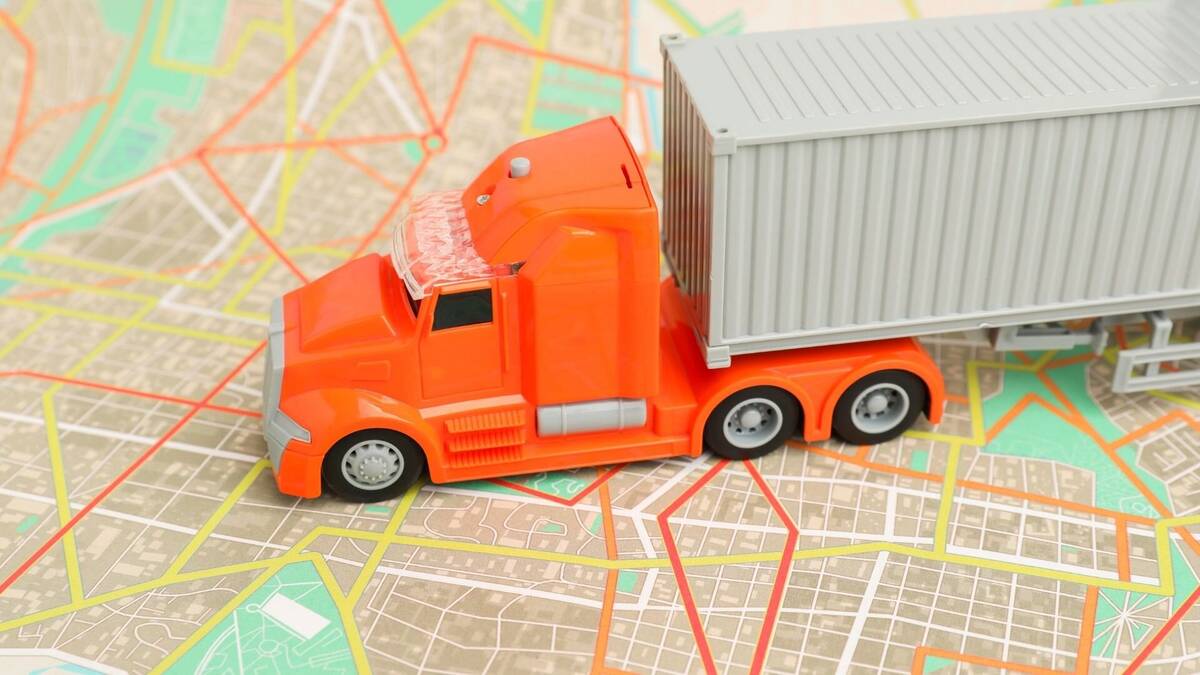
AI algorithms optimize shipping routes in real time, considering vessel schedules, port congestion, weather conditions, fuel costs, and transit time requirements. For shippers with complex multi-leg supply chains, route optimization can reduce transit times by 10 to 15% and transportation costs by 5 to 10%.
Dynamic pricing
AI models analyze market conditions, capacity availability, and demand patterns to provide more accurate rate forecasts and identify optimal booking windows. Shippers can use these insights to time their bookings for better rates.
Exception management
AI systems monitor shipments in transit and automatically identify potential disruptions before they cause problems. A delay at one port can be flagged immediately, triggering automated rebooking or alternative routing before the shipper even knows there is an issue.
Document processing
AI-powered document processing can extract data from commercial invoices, packing lists, bills of lading, and customs declarations with high accuracy, reducing manual data entry, speeding up customs filing, and minimizing errors.
Where AI still falls short
In volatile freight markets shaped by geopolitical disruption, port congestion, and trade policy shifts, historical patterns break down. AI models trained on normal conditions often fail precisely when decision-makers need them most. Human judgment, relationship management, and industry expertise remain essential for navigating exceptions and unprecedented situations.
What this means for shippers
You do not need to become an AI company to benefit from AI in logistics. Work with freight forwarders and logistics providers who are investing in AI capabilities. Use AI-powered tools for tasks where they add clear value such as rate comparison, demand forecasting, and shipment tracking. Keep humans in the loop for strategic decisions, exception handling, and relationship management.
How ASR uses technology
We combine modern technology with experienced human expertise to deliver the best outcomes for our clients. Our tracking systems, automated alerts, and data-driven insights help you make better logistics decisions. Experience our technology at asrwe.com/tracking or contact us at shipping@asrwe.com.