A $6.4 Billion Signal No Supplier Can Ignore
On October 29–30, 2026, Walmart fired two major supply chain shots in rapid succession. First, the retail giant filed plans with the Texas Department of Licensing and Regulation for a brand-new $400 million distribution center in Cibolo, Texas — its first in the San Antonio metro area. Within hours, it simultaneously announced a sweeping $6 billion expansion of its automation partnership with AI robotics firm Symbotic. Together, these moves reveal the clearest picture yet of where large-scale retail logistics is heading, and every importer, supplier, and freight partner shipping into Walmart's network needs to pay attention.
Project Theo: What Is Being Built
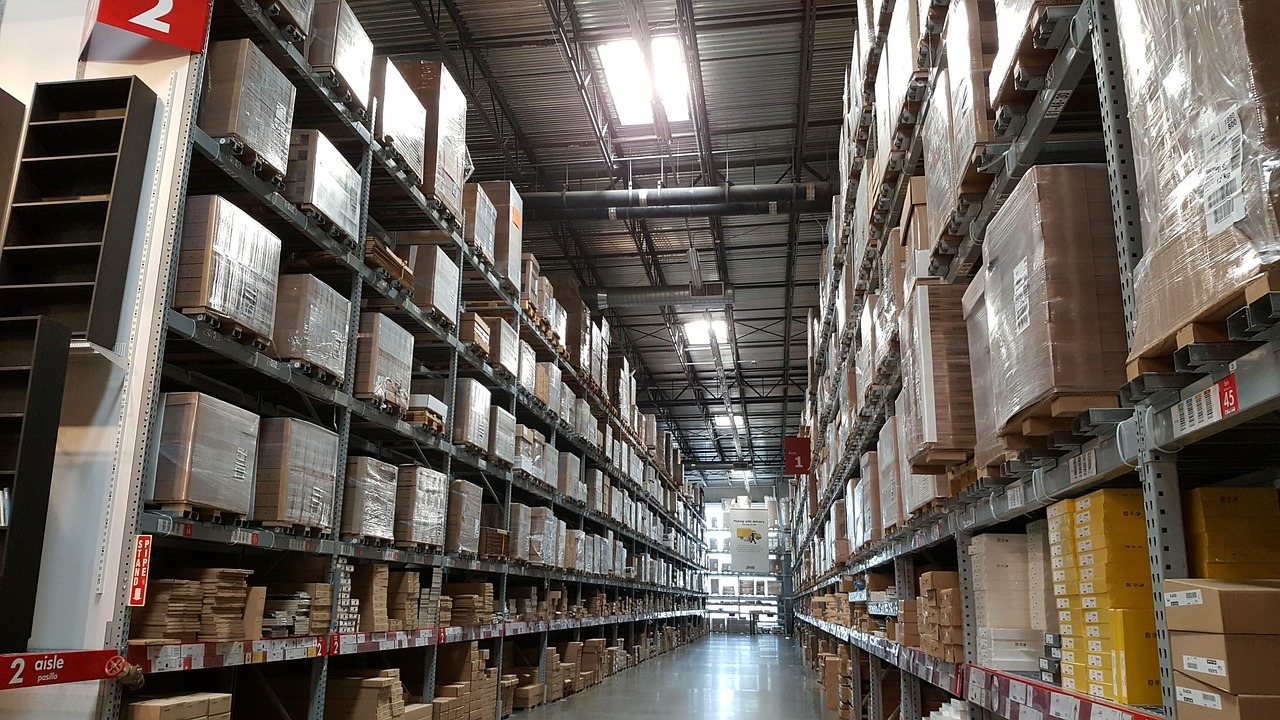
Walmart has filed an application with the Texas Department of Licensing and Regulation to develop a $400 million distribution center totaling 744,433 square feet in Cibolo, Texas. The proposed facility would span 744,433 square feet, including a 712,500-square-foot warehouse and a connected office, with construction scheduled to begin in February 2027 according to state filings. The distribution center has an expected completion date of August 1, 2029.
Project Theo marks Walmart's first distribution center in the San Antonio metro, where the retailer operates 38 stores. The name is drawn from the Texas Department of Licensing and Regulation filing and gives a sense of the scale of ambition behind the project. The project is expected to bring at least 425 full-time jobs paying above the San Antonio metro area's median salary. The facility will rise on 126 acres at 3641 S. Santa Clara Road, the former San Antonio Raceway site along Interstate 10 in Guadalupe County.
Why Cibolo? The Geography of Smart Distribution
Location selection for a distribution center of this magnitude is never accidental. Cibolo's appeal for distribution companies largely comes down to geography, sitting at the crossroads of Interstate 35 and Interstate 10. Cibolo is strategically located along Interstate 35, the "NAFTA superhighway" that runs north and south from Canada to Mexico, and Interstate 10, which runs east and west from Florida to California.
Texas sits at the crossroads of the U.S., making it a natural logistics hub, and its geographic centrality gives companies access to both coasts within a two- to three-day truck haul. With its location near the Mexico border and key U.S. logistics routes, Texas serves as a main gateway for North American trade, with ports of entry such as Laredo, El Paso, and Brownsville handling more than half of all U.S.–Mexico truck traffic.
Cibolo's direct access to both the Interstate 10 and Interstate 35 corridors places it only minutes away from San Antonio and 26 minutes to the city's international airport. For importers moving goods through the Port of Houston or via cross-border trucking from Mexico, proximity to both corridors dramatically shortens last-mile delivery times into south-central Texas — a high-growth consumer market.
Walmart also owns a 1.3 million-square-foot warehouse in New Braunfels, Texas, along the Interstate 35 corridor halfway between Austin and San Antonio, and has filed plans to invest $8 million in that facility's renovation with completion expected in September 2027. The Cibolo project will give Walmart an I-10 anchor to complement its existing I-35 presence, creating overlapping coverage across the entire south-central Texas distribution zone.
The Automation Bombshell: $6 Billion for Symbotic
The new building is only half the story. On October 29, 2026, Symbotic Inc. and Walmart announced an expanded commercial agreement to bring further automation capabilities to 25 U.S. regional distribution centers, while supporting additional opportunities across Walmart's global supply chain network. The agreement includes an initial commitment of approximately $6 billion in spend, covering work over several years across multiple locations.
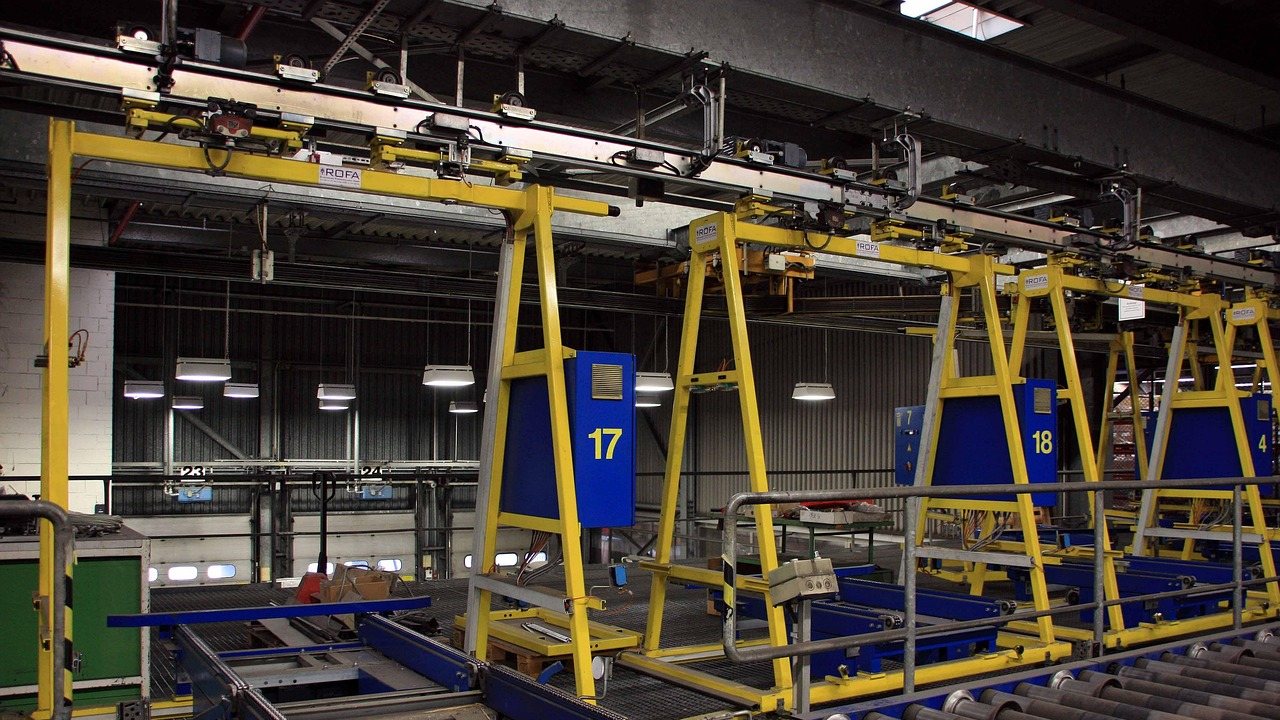
Walmart formalized a sweeping Enterprise Master Automation Agreement with Symbotic, committing an initial $6 billion to deploy AI-powered robotics systems across 25 U.S. regional distribution centers, and separately committed $125 million to fund research and development of next-generation racking technology.
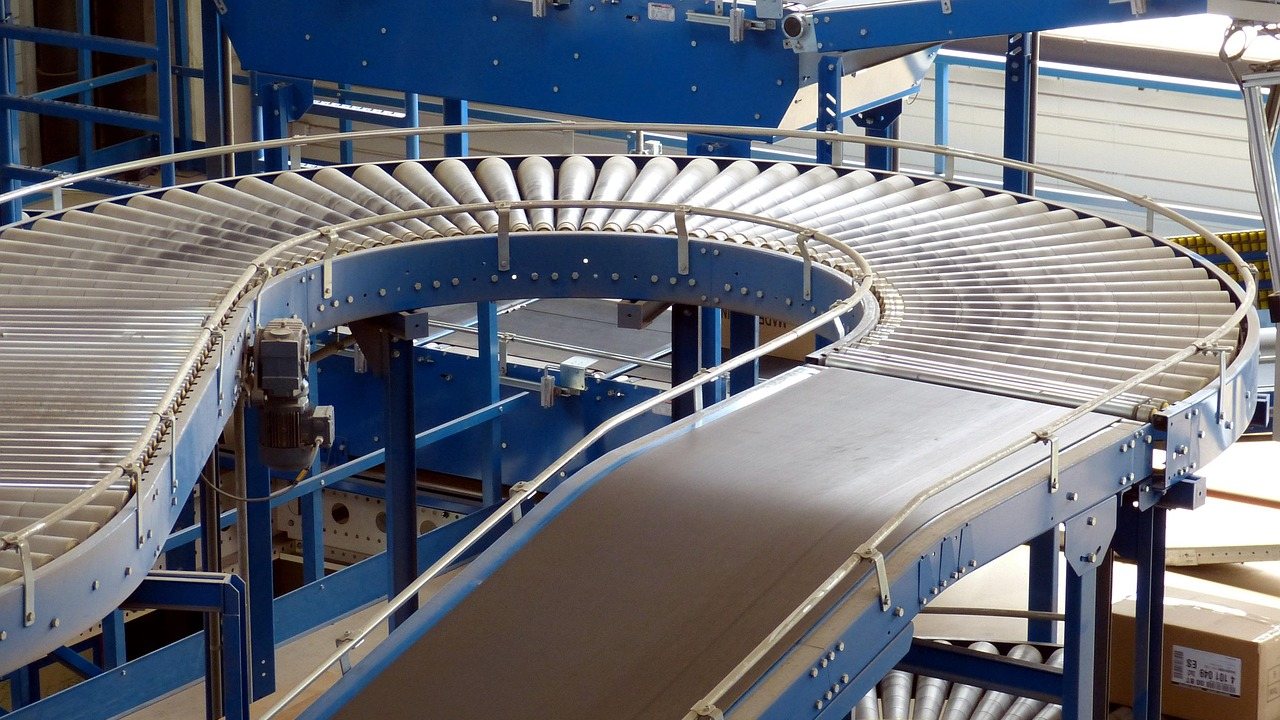
According to Walmart, Symbotic automation technology enables it to double the number of cases processed per hour compared to a traditional distribution center, using a combination of AI-powered software systems, robotics, and automation to sort, store, retrieve, and pack merchandise onto pallets. Walmart said the agreement aimed to support its e-commerce upstream inventory management, increase storage capacity, and improve how products move through the supply chain.
By the end of 2025, roughly 65% of Walmart stores were receiving merchandise from high-tech distribution centers. The new $6 billion commitment is designed to push that figure dramatically higher across the next several years.
What This Means for Walmart Suppliers and Importers
For any business that ships product to Walmart — whether you are a direct importer sourcing from Asia, a domestic manufacturer moving finished goods, or an international supplier coordinating freight across multiple legs — this dual announcement carries concrete operational implications.
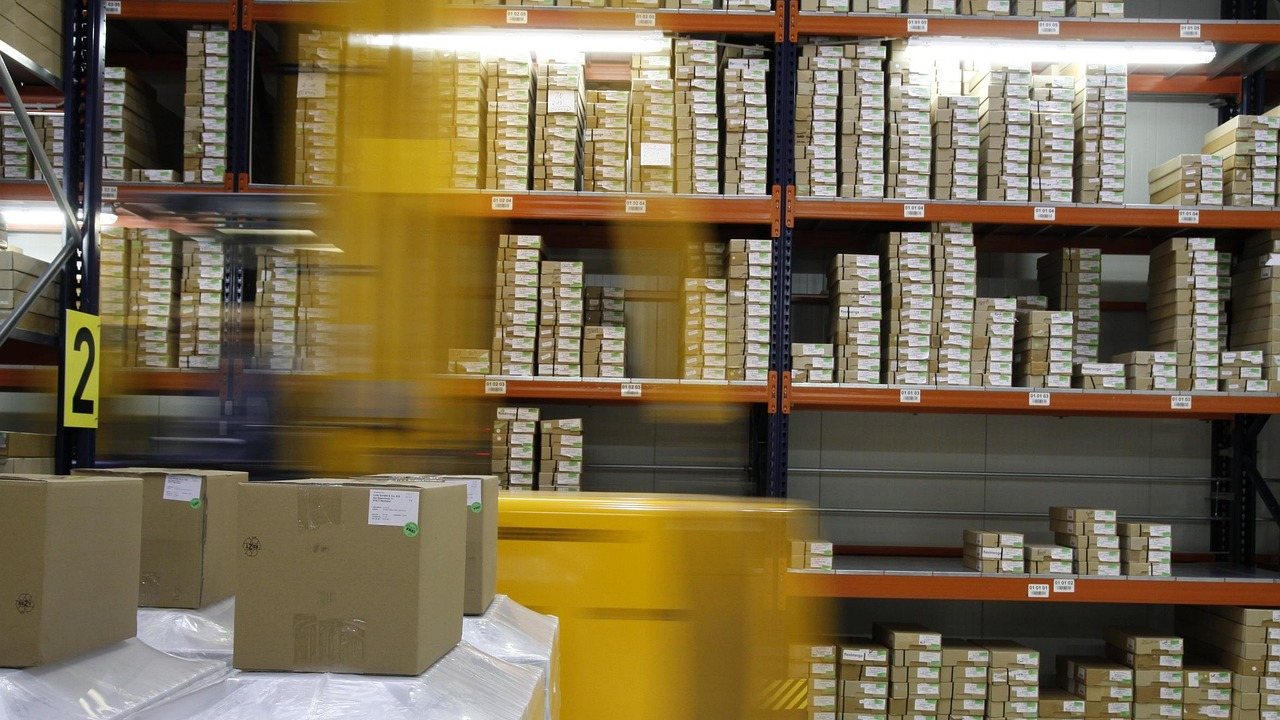
First, automated distribution centers operate on tighter inbound tolerances than traditional facilities. In 2021, Walmart contracted automation firm Symbotic to install automated storage and retrieval systems across all 42 of its regional distribution centers by 2034. As robotic systems become the standard at Walmart facilities, pallet configuration requirements, label placement specifications, and advance ship notice (ASN) data quality become non-negotiable. Errors that a human dock worker could previously catch and correct will increasingly cause automated rejections, chargebacks, or routing failures.
Second, the scale of Walmart's infrastructure investment signals a broader industry direction. The new Cibolo build comes after the retailer noted earlier this year that it expects supply chain spending to "peak" over the next two years, and Walmart has been automating its distribution network with technology meant to help cut back on shipping costs through better operational efficiencies. When the world's largest retailer signals where logistics technology is heading, other large retailers and 3PLs follow. The supplier compliance requirements Walmart is deploying today will become standard expectations across retail supply chains within the next three to five years.
Third, Texas is becoming an inbound freight priority. In Texas, Walmart operates 22 supply chain facilities. In the U.S., Walmart utilizes a network of 192 distribution facilities located strategically throughout the country using a combination of its private truck fleet as well as contracting with common carriers. With Cibolo joining that network, importers whose goods flow through Gulf Coast ports — particularly the Port of Houston — will find an increasingly attractive case for Texas-based warehousing and cross-docking to position inventory close to multiple Walmart distribution nodes.
The Broader Investment Picture
Walmart's strategy includes allocating the majority of its capital to higher-return areas focused on automation such as e-commerce, supply chain, and store investments, and for the six months ending July 31, 2026, it spent $7.659 billion on supply chain, customer-facing initiatives, technology, and other categories. The Cibolo facility and the Symbotic deal are therefore not standalone bets — they are individual deployments within a multi-year capital program that is transforming the end-to-end physical flow of goods at the world's largest retailer.
Earlier in 2026, Walmart announced a $330 million investment to modernize its regional distribution center in Opelousas, Louisiana, a project that includes robotics and advanced automation designed to double the facility's shipping capacity. Combined with the Alabama, Georgia, Illinois, and now Texas investments, the picture that emerges is a company systematically rebuilding its physical supply chain from the ground up — not just to move more goods faster, but to move them with fewer errors, lower labor intensity, and better real-time inventory visibility.
Texas as a Nearshoring Magnet
The Cibolo announcement also fits a broader pattern that importers are navigating in 2026. As nearshoring from Mexico accelerates and cross-border freight volumes on the I-35 corridor grow, south-central Texas is attracting industrial investment at a pace not seen in decades. Aisin Corporation opened its $400 million transmission plant in Cibolo in 2021, and H-E-B launched a $100 million e-commerce fulfillment center there the following year, with both projects helping transform the once-sleepy suburb into a logistics and advanced manufacturing node along the Interstate 10 corridor.
For importers considering where to position Texas-based inventory — whether in a bonded warehouse, a 3PL, or a cross-dock facility — the clustering of major distribution infrastructure in the San Antonio–New Braunfels–Cibolo corridor creates genuine freight density that can reduce carrier costs on both inbound and outbound legs.
How ASR Can Help
Whether you are a Walmart supplier tightening your inbound compliance program, an importer rethinking your Texas distribution footprint, or a shipper trying to understand how shifting retailer infrastructure affects your freight lanes, ASR WorldWide Express is here to help you think through the logistics. As a licensed freight forwarder (FMCSA MC# 1667345-B, DOT# 4286843, SCAC AZCB), ASR coordinates ocean and air freight, inland drayage, and customs clearance through trusted licensed customs broker partners — giving you a single point of contact from origin to final destination. Call us at +1 786 373 3003 or email shipping@asrwe.com to speak with a freight specialist today.
Important Disclaimer
This article is intended for general informational purposes only and does not constitute legal, tax, or customs advice. Regulatory requirements, Walmart supplier compliance standards, tariff classifications, and trade rules are subject to change. Importers and suppliers should consult their licensed customs broker, trade attorney, or compliance advisor before making operational or sourcing decisions based on this information.