The Week Supertanker Freight Broke Every Record
If you import goods that move by sea — which is to say, nearly every importer in America — the events of the past two weeks in the supertanker market deserve your full attention. Supertanker freight rates surged to unprecedented highs, with the Baltic Exchange's Middle East route topping $982,072 per day amid escalating conflict in the region, a wave of tanker attacks, and tightened Hormuz Strait traffic following U.S. and Iranian military clashes. Then, just one day later, other shipping institutions put the daily cost even higher — Clarksons Securities reported that earnings on the benchmark Middle East route breached the $1 million-per-day mark. These are not numbers from a financial thriller. They are this week's market reality, and their ripple effects reach every cargo importer in the country.
What Is a VLCC and Why Should Importers Care?
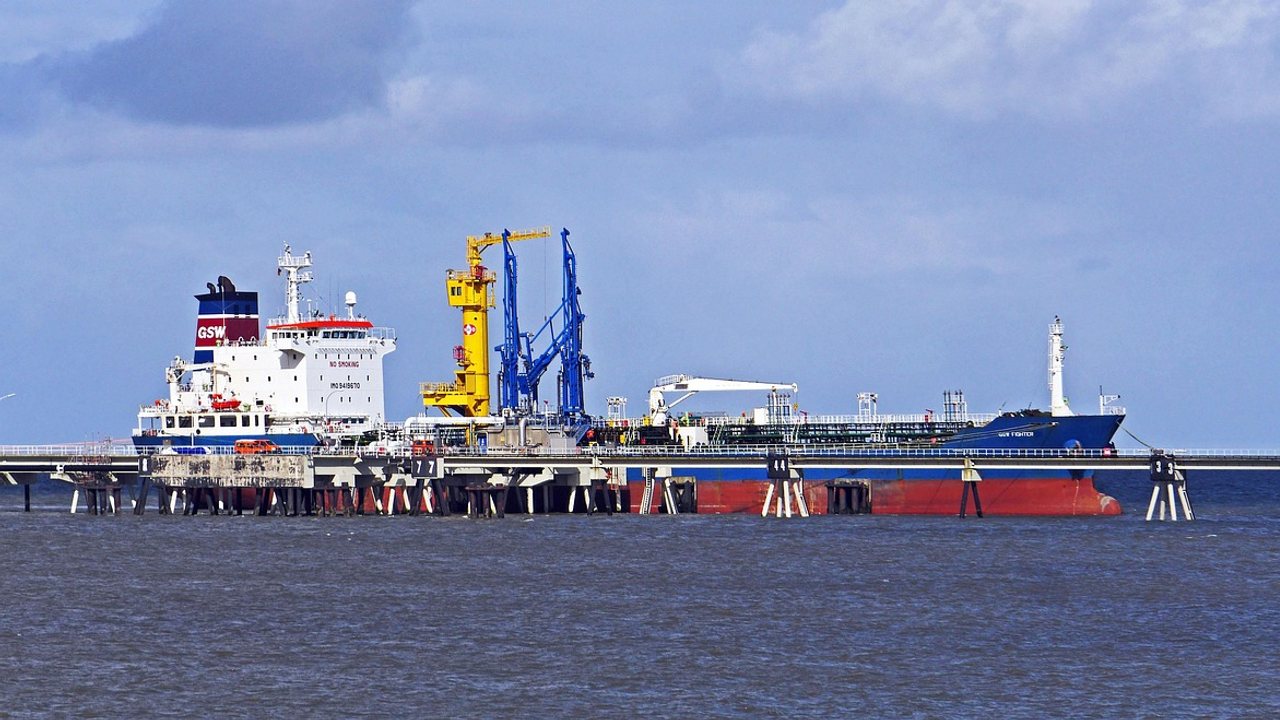
A Very Large Crude Carrier, or VLCC, is the maritime industry's largest workhorse for moving crude oil. Each vessel carries roughly two million barrels of oil in a single voyage. When VLCC freight costs surge, the price of crude oil rises at refineries, diesel and bunker fuel costs climb for every ship on the ocean, and inflation radiates through every supply chain that depends on petroleum derivatives — from plastics and chemicals to food packaging and fertilizer. The Strait of Hormuz carries approximately 20 million barrels per day, around 20% of global petroleum liquids consumption, through two-mile-wide shipping lanes with no viable alternative route, meaning any credible military threat to transit amplifies into a global supply event. That global supply event is now fully underway.
How We Got Here: A Six-Month Escalation
Instability has been a feature across the tanker market ever since Russia's invasion of Ukraine in 2022, and this has been compounded by the Houthi Red Sea campaign of 2024–2025 and the ratcheting up of western sanctions on tankers. But 2026 introduced an entirely new shock. The freight market rally intensified dramatically following a massive wave of attacks on shipping tied to the ongoing conflict between the United States, Israel, and Iran, which began in late February.
Global tanker freight rates reached record levels as Persian Gulf conflict disruptions pushed benchmark VLCC earnings near $800,000 a day, with attacks around Hormuz and the Red Sea lengthening voyages and constraining shipping, driving costs sharply higher despite continued crude flows. The trigger for the latest spike was stark: Iran said it had attacked 10 ships near the Strait of Hormuz after the U.S. sank five Iranian oil tankers. Saudi Arabia's East-West pipeline remains offline after attacks last week, limiting an important alternative route for transporting crude around the Strait of Hormuz.
The Rate Numbers in Plain Language
The scale of the rate explosion is difficult to overstate. Shipping 2 million barrels of U.S. crude from the Gulf Coast to China on a VLCC reached a record $44.8 million on September 15, surging from $17.8 million before the Iran war as supply disruptions and tanker risks boosted demand for U.S. crude exports. That is a cost increase of roughly 150 percent in under seven months on a single route.
According to Baltic Exchange data cited by Reuters, supertankers loading oil from the Gulf of Oman for shipment to China reached around 450 on a Worldscale basis, equaling roughly $11.50 per barrel, marking an all-time high since the route index launched. Insurance premiums for vessels transiting the Persian Gulf and Red Sea have climbed in lockstep with freight rates, and some underwriters are reportedly reassessing their willingness to cover the routes at all.
On the US Gulf Coast specifically, Very Large Crude Carrier rates out of the US Gulf Coast hit record highs on September 4 as a tight tonnage list in the Atlantic Basin, coupled with firmer VLCC rates in other global markets, bolstered bullish sentiment. Platts, part of S&P Global Energy, assessed freight for the 270,000 metric ton USGC-China run at $29.5 million on September 4, surpassing the previous record of $29.3 million set on March 4.
Three Forces Keeping Rates Elevated
Fleet consolidation is removing available tonnage from the open market. Sinokor has purchased 72 VLCCs since the onset of its buying spree in December 2025, with at least five more VLCCs scheduled for handover, at a total price-tag of over $6 billion. Not only is Sinokor crucial to the Middle East Gulf shuttle trade, its outsized VLCC market share allows it to exert pricing pressure worldwide, according to executives of multiple listed tanker owners. When a dominant fleet owner prefers to hold vessels idle rather than let rates fall, effective supply shrinks even if the physical fleet is nominally adequate.
China is back in the market. China, which pulled back from the charter market during the Hormuz crisis, appears to be reemerging, with Chinese importers rebuilding the crude inventories that their refineries have been churning through since the start of the US-Iran war. Renewed Chinese demand competing for a constrained vessel list pushes rates higher across all routes, including those supplying US refineries.
The position list is thin. With increased volatility stemming from ongoing risks and uncertainty surrounding transits through the Strait of Hormuz, charterers have continued to work VLCC cargoes for further-out dates, yet the position list remained sparse for early- to mid-October loading dates in the US Gulf Coast. A thin forward list with urgent demand is the textbook recipe for further spikes.
The Wider Energy Price Impact
Surging tanker rates are not happening in isolation — they are feeding directly into the energy costs that underpin global trade. Brent was quoted at $106.69 a barrel on September 14, 2026, up $2.08 on the day, with the November contract quoted at $107.54, up 2.8%. Dated Brent, the physical oil benchmark used to price approximately two-thirds of global supply, has traded above $100 since September 3, according to LSEG data.
The spike in rates shows how the Middle East conflict is feeding into the broader economy. If elevated shipping costs persist, they could add to inflationary pressures and further raise costs for businesses and consumers already facing uncertainty from the widening conflict. Goldman Sachs has warned that another month of Hormuz closure would keep Brent over $100 throughout 2026, and Brent could soar above $120 a barrel in 2027 if crude oil output in the Gulf remains 4 million barrels per day below prewar levels.
What This Means for US Importers Right Now
VLCC rate spikes transmit through the supply chain in several ways that non-energy importers often underestimate. Higher crude prices raise the cost of every petroleum-derived input — resins, packaging films, lubricants, synthetic textiles, and fertilizers. Higher bunker fuel costs inflate the operating expenses of the container vessels, bulk carriers, and tankers that move all categories of cargo, and carriers pass those costs forward through bunker adjustment factors and emergency fuel surcharges. The recent military escalation in the region is also having a wider knock-on effect, as VLCC rates on the West Africa to Asia route also reached record highs, meaning the disruption is no longer contained to the Hormuz corridor — it is reshaping vessel economics globally.
Freight analysis from data intelligence firm Kpler suggests daily earnings for VLCCs will stay above $100,000 a day into next year, more than double historic levels that rarely went above $45,000. Two-year leasing rates for VLCCs could rise by 20% to 30%, according to a Morgan Stanley note published on September 10. That structural elevation points to sustained freight cost pressure well beyond this week's headlines. Importers who have not revisited their total landed cost models since January 2026 are almost certainly working from outdated assumptions.
How ASR Can Help
At ASR WorldWide Express, we monitor live freight market conditions daily so our clients are never caught off guard by the kind of cost escalation the VLCC market is delivering right now. Whether you are sourcing crude-dependent manufactured goods from Asia, routing cargo around disrupted Middle East corridors, or simply trying to understand what surcharges are justified on your next ocean freight quote, our team works alongside licensed customs broker partners to coordinate the full import process and give you cost clarity before you commit to a shipment.
If you want to understand how today's tanker market conditions are affecting your specific trade lanes and commodity categories, call us at +1 786 373 3003 or email shipping@asrwe.com. We will walk you through your options and help you plan ahead in a market that is changing faster than most importers can track on their own.
Important Disclaimer
The rate figures, forecasts, and market data cited in this article are drawn from publicly available industry sources and are provided for informational purposes only. Freight markets are highly volatile and conditions can change within hours. Nothing in this article constitutes financial, legal, or trade advice. Consult your freight forwarder, licensed customs broker, and energy procurement advisor before making shipping or sourcing decisions based on current market conditions.