A New Bill Targets the Tariff Squeeze on Homebuilding
Every nail, beam, copper wire run, and cabinet panel imported into the United States now carries a tariff surcharge — and the construction industry is paying for it with higher costs, tighter margins, and homes that fewer buyers can afford. Now, bipartisan legislation moving through both chambers of Congress is attempting to change that. The Housing Tariff Exclusion Act, introduced in the House in late September 2026, would create a formal exemption pathway for imported homebuilding materials — giving importers a concrete mechanism to fight back against duties that have fundamentally repriced the cost of building a home in America. For companies importing structural steel, aluminum products, lumber, electrical components, cabinetry, or fixtures destined for residential construction, this bill is worth tracking closely.
What the Housing Tariff Exclusion Act Would Do
The House version of the bill, H.R. 10416, was introduced by California Rep. Nanette Díaz Barragán and referred to the House Committee on Ways and Means in mid-September 2026. A companion Senate bill, introduced in February 2026 by Senators Jacky Rosen of Nevada and Chris Coons of Delaware, remains pending in the Senate Finance Committee.
The legislation would automatically exempt many homebuilding materials from President Trump's current and future tariffs and give importers a structured process to seek exemptions for additional materials not covered by the automatic list. Key provisions verified from the bill text and NAHB summaries include the following.
The bill would require the Secretary of Commerce to establish a process for U.S. businesses to request tariff exclusions specifically for goods used in home construction. It would mandate fast-track exemptions for commonly used homebuilding products within 15 days of application. It would provide objective review of other home building products when tariffs can be shown to increase U.S. construction costs. Importantly, coverage would extend to all tariffs except anti-dumping, countervailing, and safeguard duties. And the bill would allow businesses to apply for reimbursement of tariffs already paid before an exclusion is granted — a retroactive relief mechanism that matters enormously to importers who have been absorbing duty costs for months.
The Cost Reality Driving This Legislation
The political push for this bill is rooted in verifiable, compounding cost data. According to NAHB survey data, builders estimate the typical cost effect of recent tariff actions at approximately $10,900 per home — a figure derived from an April 2025 NAHB/Wells Fargo Housing Market Index survey. More than 60 percent of builders surveyed by NAHB reported seeing higher costs as a direct result of tariffs.
A Cushman & Wakefield analysis published in April 2026 estimated that current tariff rates would increase construction materials costs by 6.0 percent relative to a 2024 baseline, with total project costs estimated to rise 3.0 percent. For steel-intensive structures such as warehouses, industrial buildings, and parking garages, that impact can reach 8 to 10 percent of total project cost.
The raw material picture is equally stark. Steel and aluminum items made entirely or mostly of those metals currently carry a 50 percent tariff under expanded Section 232 authority. Softwood lumber carries a 10 percent baseline tariff that stacks on top of existing Canadian lumber duties that already exceeded 35 percent before 2026. Copper products face a 50 percent tariff, and the producer price index for copper and brass mill shapes climbed 21.3 percent year-over-year as of April 2026. Industrial and electrical equipment incorporating steel or aluminum faces a 15 percent tariff, directly affecting electrical panels, transformers, conduit systems, and other components critical to every residential build.
The Housing Shortage Makes Timing Critical
The tariff burden does not land in a vacuum. NAHB estimates the United States has a structural housing deficit of roughly 1.2 million units — the cumulative shortfall of above-equilibrium construction needed to bring the market into balance. Against that backdrop, anything that raises the cost of construction or erodes builder confidence directly delays units that the market urgently needs.
The NAHB/Wells Fargo Housing Market Index sat at 35 in June 2026 — well below the break-even threshold of 50 — reflecting the weakest stretch of builder sentiment in years. In that same month, 35 percent of builders cut prices and 62 percent used sales incentives, the fifteenth consecutive month that the incentive share held at 60 percent or higher. In other words, builders cannot easily pass tariff costs to buyers, meaning the margin pressure falls directly on supply chains and developers.
Residential building material prices have been growing above 3 percent annually since June 2025, even as the broader new construction market remains constrained. Construction input prices more broadly rose at a 7.1 percent annualized rate in January 2026, driven by tariff-affected materials like structural steel, aluminum, and copper wire.
What Materials Are Most Affected for Importers
For importers specifically, the tariff exposure concentrates in a narrow but critical set of product categories. NAHB estimates that roughly $14 billion of the approximately $194 billion in goods used in residential construction in 2025 were imported from outside the United States — about 7 percent of total inputs. That figure sounds modest until you consider that the imported share is concentrated in items with limited or no quick domestic substitutes.
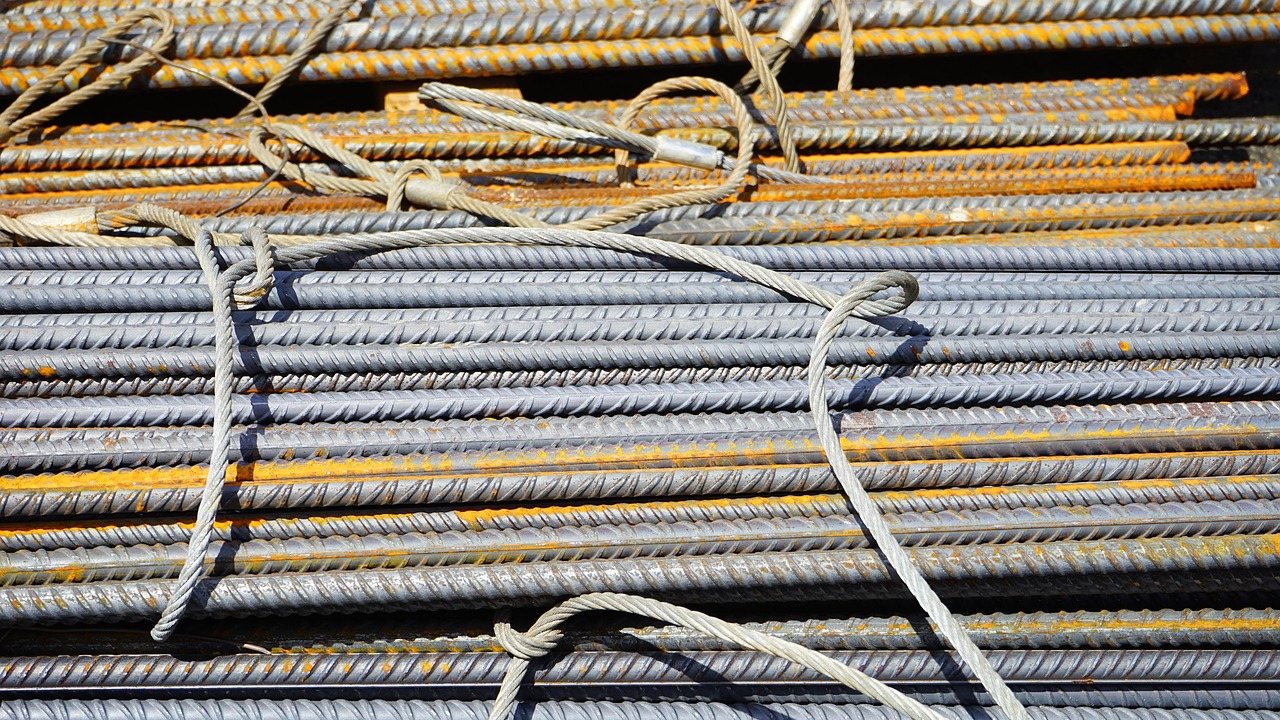
The categories facing the sharpest tariff exposure include structural steel and steel products, aluminum building products and sheet metal, copper wire and plumbing components, softwood lumber from Canada, electrical components including transformers and panel boards, and finished goods such as cabinetry, fixtures, and appliances. Metal molding and trim surged nearly 50 percent year-over-year in 2026, while cabinets, appliances, and finish hardware carry significant tariff-exposed price tags that directly affect per-unit construction budgets.
For wood-frame residential construction, the lumber tariff impact translates to approximately $5,000 to $15,000 per single-family home. For steel-intensive projects, the per-unit impact is considerably larger.
What the Bill Does Not Cover
Importers should note carefully what the proposed legislation explicitly excludes. The bill, if enacted, would not provide relief from anti-dumping duties, countervailing duties, or safeguard tariffs. These are legally distinct trade remedies that have their own administrative review processes and are not part of the executive tariff authorities the bill targets. Any company importing materials subject to ADD or CVD orders — including, for example, many categories of Chinese-origin steel or Canadian softwood lumber subject to countervailing duties — would need to continue managing those separately through existing channels.
The bill also remains subject to the full legislative process. As of late September 2026, H.R. 10416 has been referred to the House Committee on Ways and Means, and the Senate companion bill is pending in the Senate Finance Committee. With midterm election season intensifying, prospects for near-term passage remain uncertain. Importers should not make irreversible procurement decisions assuming the bill will become law on any particular timeline.
Supply Chain Implications for Freight and Logistics
Beyond the direct duty savings, the proposed exemption framework carries freight and logistics implications worth analyzing. A 15-day fast-track window for commonly used homebuilding materials — if the bill becomes law — would create a time-sensitive administrative process that importers would need to build into their sourcing and shipment planning cycles.
Importers who can document that their goods qualify as commonly used homebuilding products would need to file exclusion requests with Commerce before or concurrent with their shipments. The retroactive reimbursement provision adds another layer: companies that have been paying tariffs on building materials imports going back to January 20, 2025, would potentially have a claim to recover those duties if they obtain a retroactive exclusion. Maintaining clean customs records, entry documentation, and duty payment records is therefore critical right now — even before the bill passes — because those records would form the evidentiary basis for any reimbursement application.
On the supply side, the uncertainty itself is shaping behavior. Importers facing 25 to 50 percent tariffs are already being more selective about what they bring in, reducing product variety and concentrating orders on highest-volume SKUs. A successful exemption framework could reverse that consolidation pressure and allow importers to restore broader product assortments — but only after the administrative process is operational.
How ASR Can Help
ASR WorldWide Express works with licensed customs broker partners to help importers of building materials navigate the current tariff environment. Whether you are shipping structural steel from Mexico, softwood lumber from Canada, electrical components from Asia, or finished cabinetry and fixtures, our team can help you understand your current duty exposure, evaluate classification and valuation strategies, coordinate compliant customs clearance, and position your shipments to take advantage of any tariff exclusion programs that become available under legislation like the Housing Tariff Exclusion Act.
With operations centered in Miami and a global network of freight and customs partners, ASR helps building materials importers move efficiently and compliantly across all modes — ocean, air, and truck. Contact our team today to discuss your specific supply chain and duty situation.
Call us at +1 786 373 3003 or email shipping@asrwe.com.
Important Disclaimer
This article is for informational purposes only and does not constitute legal, tax, or customs compliance advice. Tariff classifications, duty rates, and exemption eligibility are highly fact-specific and subject to change. The Housing Tariff Exclusion Act has not been enacted as of the date of this article. Importers should consult their licensed customs broker and trade counsel before making sourcing, classification, or duty management decisions.