The Forecast Was Wrong — and It Matters for Your Freight
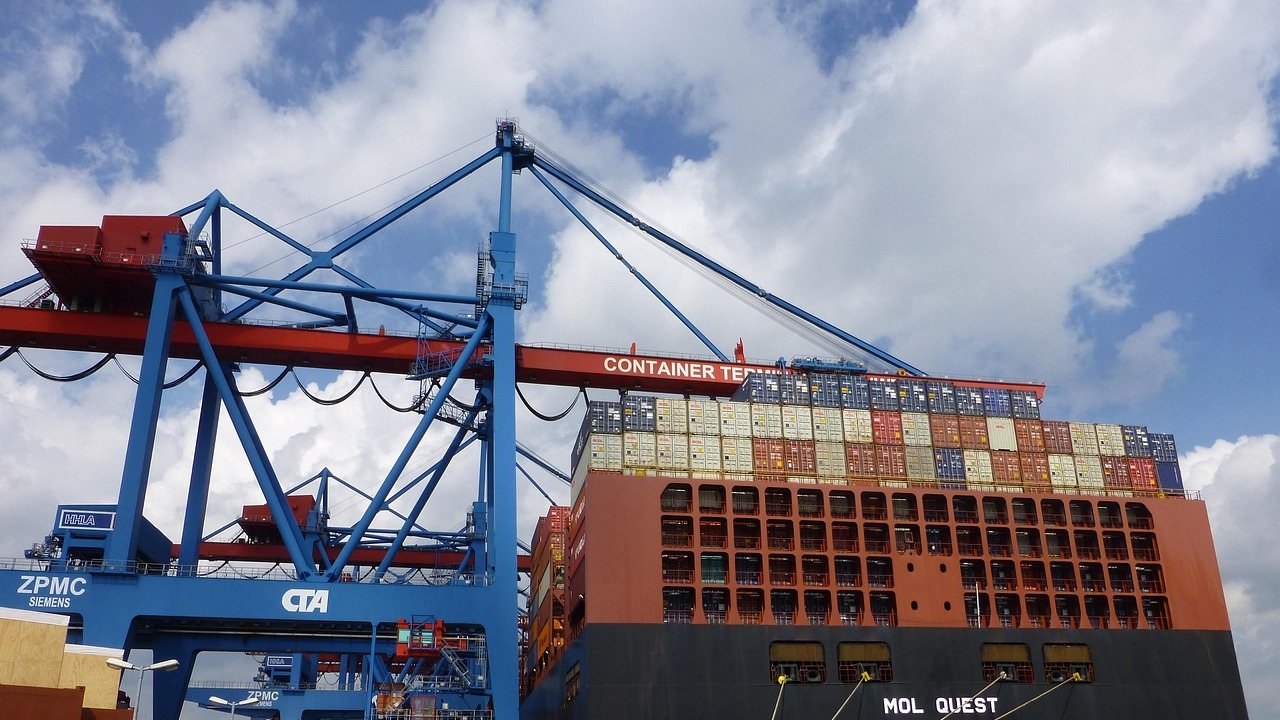
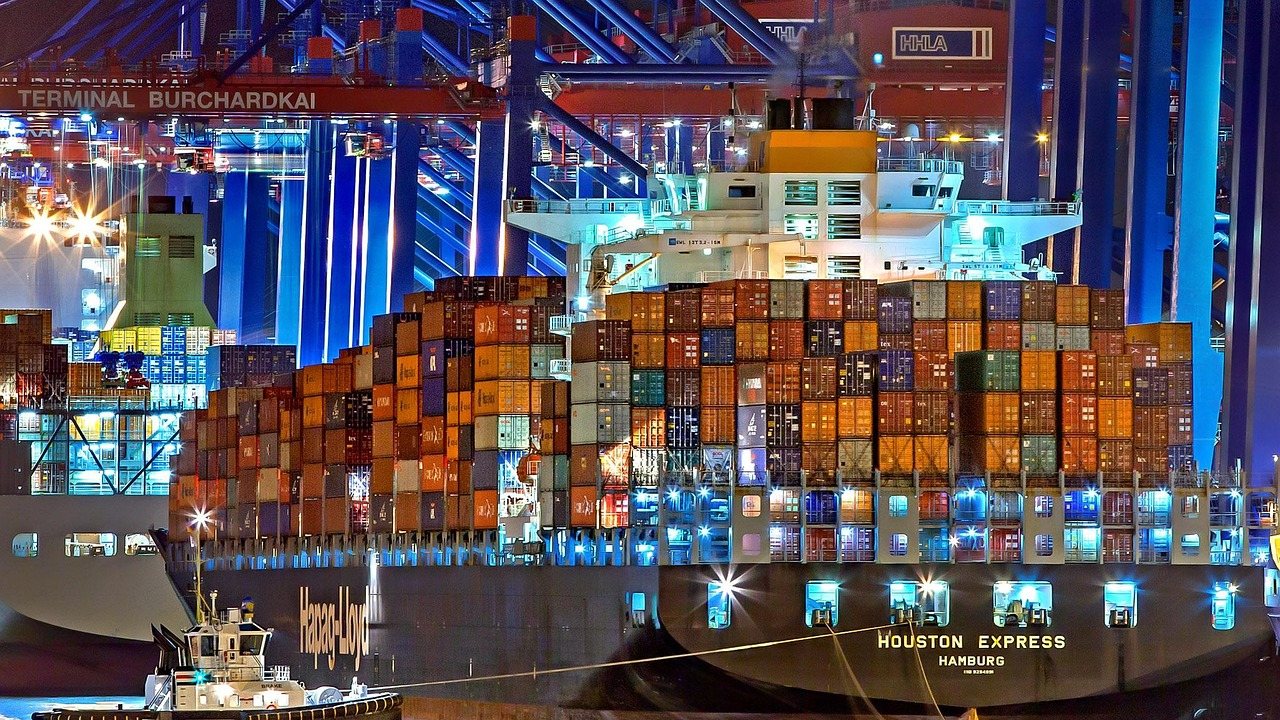
Earlier this year, every major forecasting body expected the same thing: a sharp fall in US import volumes by September 2026. Retailers had pulled merchandise forward aggressively in the spring, the logic went, so autumn would bring a well-deserved exhale. That exhale never came. As of September 9, 2026, the National Retail Federation and Hackett Associates have completely reversed their outlook, and September is now projected to be the single busiest month of the entire year for container imports at US ports. If you are moving cargo right now — or planning to move it in October — the conditions on the water and at the gates are significantly tighter than most importers anticipated.
What the Data Actually Shows
The numbers from the NRF's Global Port Tracker report, released on September 9, tell a striking story. US ports handled 2.3 million TEU in July, the latest month for which final figures are available. That figure was up 3.2% from June and remained the highest recorded total of 2026 to that point. August was projected at 2.29 million TEU. September is now forecast at 2.31 million TEU, up 9.6% year over year, and slightly ahead of July as the highest-volume month of the year.
Just two months ago, the NRF's August report had called for a 5.7% year-over-year decline in September volume. That projection has now been reversed by 15 full percentage points. As NRF Vice President for Supply Chain and Customs Policy Jonathan Gold put it: "We thought the peak season would be mostly behind us by now, but that's not the case."
For importers and freight forwarders alike, that kind of forecast reversal is not an academic matter — it translates directly into tighter vessel space, higher spot rates, and compressed port appointment windows precisely when many companies are booking Q4 replenishment cargo.
Why the Peak Kept Going
Three distinct forces converged to keep import volumes elevated well past the point where the market expected them to taper.
Tariff-Driven Demand Did Not Exhaust Itself
The dominant story of early 2026 was frontloading. Importers rushed cargo ahead of the July 24 expiration of temporary Section 122 tariffs, which were replaced the following day by new Section 301 forced-labor tariffs ranging from 10% to 12.5% on goods from 60 economies affecting the vast majority of US imports. That rush produced a record month in May — 2.24 million TEU — and a very strong June at 2.23 million TEU, up 13.2% from the depressed year-ago baseline caused by 2025's Liberation Day disruptions. Retailers brought in merchandise to protect fall inventory under tariff uncertainty, as Maersk's own North America market update confirmed at the time.
What the forecasters underestimated was that this frontloading did not drain the pipeline — it merely shifted timing. Underlying consumer demand remained resilient throughout the summer. As Gold noted: "consumers keep buying despite tariffs, inflation and high fuel prices, and retailers keep bringing in merchandise to meet demand." The summer frontloading was not a substitute for traditional peak-season restocking; it ran alongside it.
Vessel Delays and Weather Pushed Arrivals Later
The second factor was purely operational. Severe weather events in China delayed vessel departures from major export hubs during portions of the summer. Ships that were booked and loaded in July and August arrived later than scheduled, pushing arrival volumes into September's counting window rather than the months they were originally assigned to. This mechanical shift inflated September's incoming volume without necessarily reflecting a new wave of demand.
Panama Canal Drought Is Compressing Route Options
The third factor is ongoing and will continue to shape freight planning through at least Q4. The Panama Canal is in the grip of a fresh El Niño-driven drought. Rainfall across the canal watershed from May through August 2026 ran approximately 34% below the long-term average. In response, the Panama Canal Authority progressively reduced daily vessel transits: from the normal level of 36 to 34 at the start of September, and then to 32 as of September 15 — today's date — with further cuts possible depending on Gatún Lake levels.
On the draft restriction front, the ACP had previously announced a reduction in maximum authorized draft at the Neopanamax locks to 47.5 feet effective October 1, though a recent review has led the authority to postpone that specific measure for now while continuing to monitor conditions. Vessels arriving deeper than authorized limits risk being required to lighten cargo at anchorage, delay transit, or reroute entirely at the owner's expense — each of which adds cost and time to supply chains that depend on the canal.
For trans-Pacific trades routing to US Gulf and East Coast ports via the canal, diversions around the Cape of Good Hope can add five to fifteen days on a single voyage, increasing fuel costs, crew costs, and downstream schedule uncertainty at destination ports.
What Happens After September
The NRF does project a meaningful slowdown beginning in October. Volume is expected to drop to 2.11 million TEU in October, though that would still represent a 1.7% year-over-year increase. November is forecast at 2.0 million TEU, down 0.9% year over year, and December at 2.03 million TEU, up 1.1%. If those projections hold, the full-year 2026 total would reach approximately 25.7 million TEU, up around 1% from 2025.
But forecasters have already been surprised once in 2026. The factors that could keep volumes elevated beyond October — continued tariff volatility, canal restrictions that push vessel schedules later, and stubborn consumer demand — have not disappeared. Supply chain leaders across industries have absorbed a consistent lesson from this year: traditional calendar-based planning assumptions are no longer reliable. Tariff expiration dates, regulatory deadlines, and infrastructure disruptions at chokepoints are now the real clock.
What This Means for Your Cargo Right Now
If you are importing from Asia, Latin America, or Europe, September 2026 is the worst possible time to be operating without confirmed bookings. Vessel capacity that looked adequate when planners modeled a September slowdown is now insufficient for the actual volume the market is generating. Spot rates on trans-Pacific trades have been elevated since the summer GRI cycle, and carriers are under no pressure to reduce rates into a peak season that has exceeded everyone's expectations.
Port appointment availability at major US gateways is constrained. Drayage capacity, which tightens whenever vessel bunching occurs at large ports, is similarly strained. Importers who rely on just-in-time delivery windows for retail floor sets or manufacturing production schedules need to account for added buffer time on every leg of the journey.
Warehousing absorption is another pressure point. The combination of frontloaded spring inventory and now a second autumn wave means distribution centers that were expected to have cleared space by now are still digesting earlier receipts. If your goods arrive at port without a confirmed storage destination, dwell time and demurrage exposure increase substantially.
Looking at Q4: What the Prudent Importer Does Next
The first priority is locking in confirmed space on October and November sailings as quickly as possible. Carriers are already rolling cargo from overbooked vessels into later departures, and shippers without confirmed allocations are the first to be bumped. Work with your freight forwarder to review sailing schedules and identify reliable carrier options — including contingency bookings on alternative services.
For cargo that cannot avoid the Panama Canal routing, verify whether your service explicitly transits via the canal or has already adjusted to a Cape diversion. The added transit time should be built into your delivery commitments to buyers. If your service uses a canal-dependent routing, ask your forwarder whether a Suez Canal alternative — itself still operating at significantly reduced capacity compared to pre-2025 levels — might offer a better schedule guarantee.
For importers on tight tariff timing, confirm with your licensed customs broker that all entry filings are prepared well in advance of cargo arrival. With September port volumes at their highest level of the year, CBP exam queues and free time windows at terminals will be under maximum pressure. Late or incomplete filings translate directly into demurrage charges in this environment.
Finally, use this moment to revisit your landed cost model. The combination of current Section 301 forced-labor tariffs covering 60 economies, elevated ocean freight rates, and Panama Canal surcharges has materially changed the unit economics of many import categories compared to what your contracts and purchase orders assumed six months ago.
How ASR Can Help
ASR WorldWide Express coordinates end-to-end freight forwarding for US importers navigating exactly these conditions — elevated September volumes, constrained canal capacity, and a tariff landscape that has changed multiple times in 2026 alone. We work with trusted licensed customs broker partners to ensure your customs clearance is prepared, accurate, and positioned to clear quickly in a high-pressure port environment. Whether your cargo moves trans-Pacific, transatlantic, or via Latin America, our team can help you secure reliable vessel space, structure contingency routing options, and build the buffer time into your logistics plan that this market demands.
Call us at +1 786 373 3003 or email shipping@asrwe.com. Our Miami team is available now to review your Q4 import calendar and help you get ahead of the capacity crunch before October arrives.
Important Disclaimer
This article is intended for informational purposes only and does not constitute legal, tax, or customs compliance advice. Tariff rates, port conditions, and canal restrictions are subject to change without notice. Importers should consult their licensed customs broker and qualified trade advisor for guidance specific to their commodities, sourcing countries, and business circumstances.