Two routes, two trade-offs
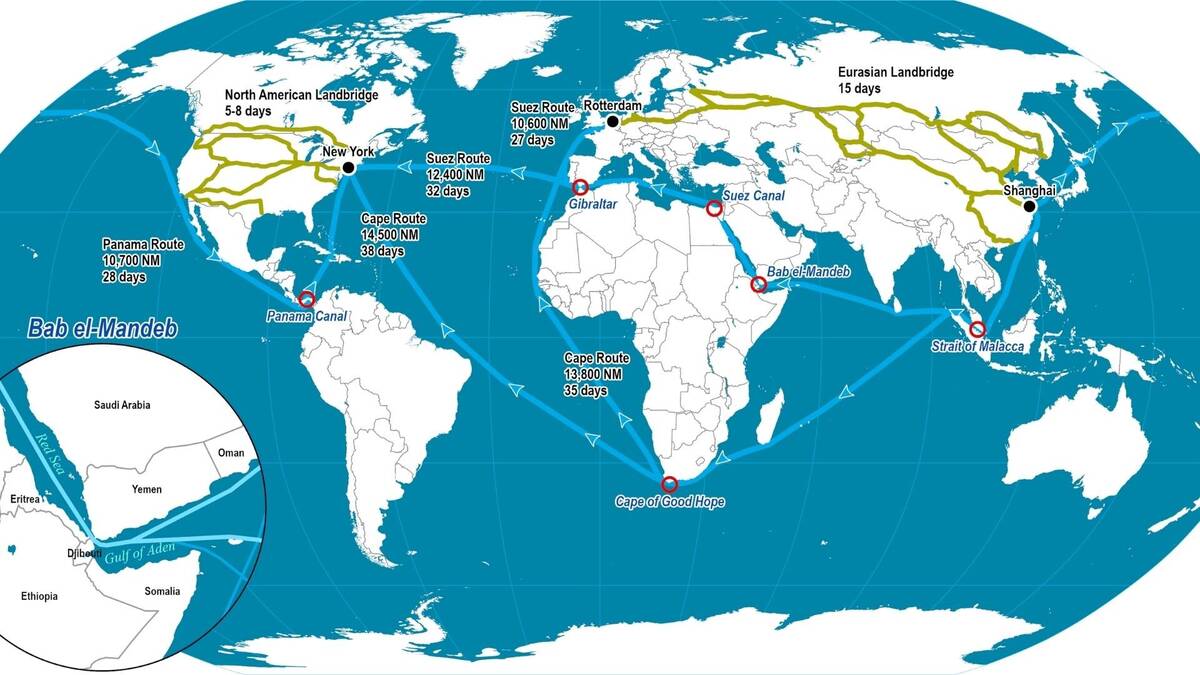
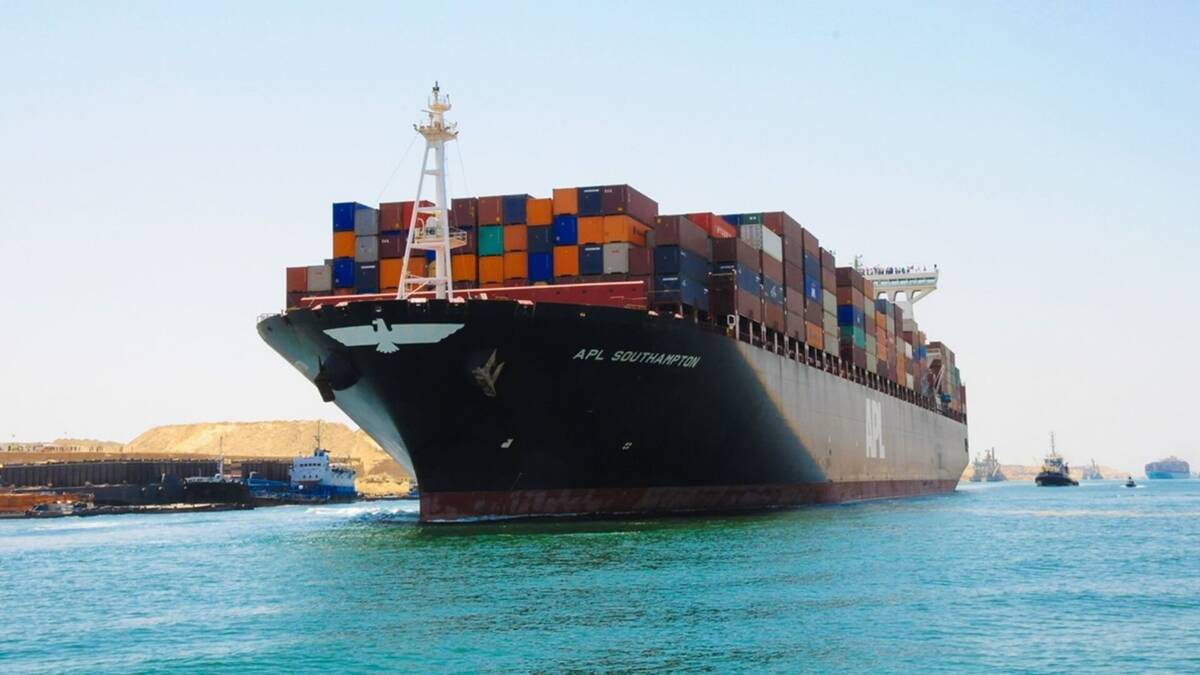
For over two years, the shipping industry has been forced to choose between the historically dominant Suez Canal route and the longer Cape of Good Hope detour around southern Africa. This decision impacts every aspect of supply chain planning, from transit times and freight costs to insurance premiums and schedule reliability.
Route comparison at a glance
The Suez Canal route from Shanghai to Rotterdam covers approximately 10,500 nautical miles with a transit time of 25 to 30 days. The Cape of Good Hope route covers approximately 14,000 nautical miles with a transit time of 38 to 45 days. That is a difference of roughly 3,500 miles and 10 to 15 additional days at sea.
For Asia to US East Coast shipments, the difference is less pronounced because vessels can use either the Suez Canal or the Panama Canal, or route around Africa with a stop at a transshipment hub.
Cost comparison
The Suez Canal route involves canal transit fees of approximately $300,000 to $700,000 per vessel, shorter voyage duration meaning lower fuel costs, and faster equipment turnaround allowing carriers to operate more sailings with fewer vessels.
The Cape of Good Hope route eliminates canal fees entirely but requires significantly more fuel due to the longer distance, needs additional vessels to maintain the same service frequency, and has higher crew costs for the extended voyage duration.
When you factor in war risk insurance premiums for Suez transits, which can add $100,000 to $500,000 per voyage, the cost differential narrows considerably.
The capacity equation
This is where the route choice has its biggest market impact. When carriers route around Africa, vessels spend more time at sea, effectively absorbing approximately 6% of global container capacity. If carriers return to the Suez Canal en masse, that capacity floods back into an already oversupplied market.
Analysts estimate that a full return to Suez routing would create a 10% to 39% surge in vessel arrivals at European ports during the transition period, potentially causing severe port congestion, inland bottlenecks, and equipment imbalances.
Current carrier positions
Carrier strategies are mixed and evolving. Most carriers maintain the Cape of Good Hope as their standard routing for Asia-Europe services. Some carriers tested selective Suez returns in early 2026 before reversing course after the US-Iran escalation. The industry consensus is that a phased return will eventually occur, but timeline remains uncertain.
What this means for shippers
Plan for Cape of Good Hope routing as your baseline assumption. Build 40 to 45 day transit times into your supply chain planning for Asia-Europe movements. Maintain higher safety stock levels to buffer against the longer and more variable lead times. Take advantage of the current soft rate environment driven partly by overcapacity concerns. Monitor geopolitical developments that could trigger a rapid shift back to Suez routing.
ASR keeps your cargo moving
Regardless of which route your cargo takes, our ocean freight team ensures you have accurate transit time estimates, competitive rates, and proactive updates on schedule changes. We work with all major carriers and can adjust routing as the situation evolves. Contact us at shipping@asrwe.com or request a quote at asrwe.com/quote.