Why the Strait of Hormuz matters
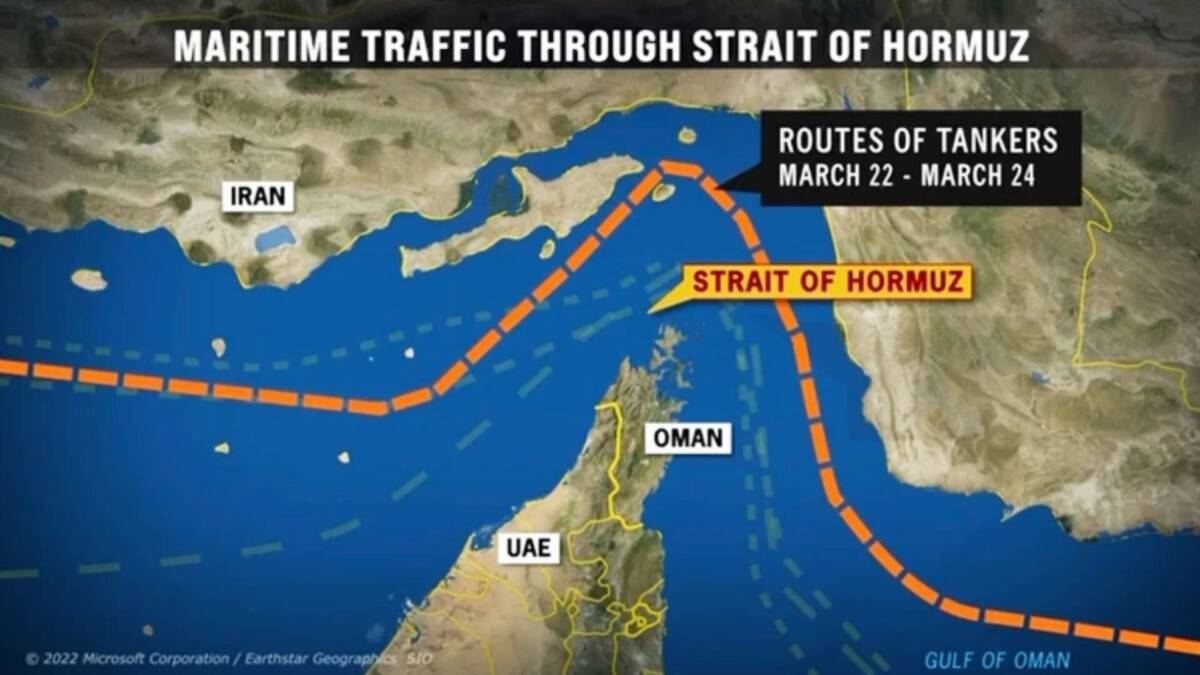
The Strait of Hormuz is a narrow waterway between Iran and Oman that connects the Persian Gulf to the Gulf of Oman and the open ocean. At its narrowest point, shipping lanes are just 3 kilometers wide. Despite its small size, approximately 20 million barrels of oil pass through this strait daily, representing roughly one-fifth of global oil consumption.
Beyond oil, the strait is critical for container shipping serving Gulf ports including Dubai's Jebel Ali, one of the world's busiest container ports.
The 2026 escalation
In February 2026, US and Israeli military operations against Iran dramatically escalated tensions in the strait. Iran's Revolutionary Guards transmitted radio warnings that no ships would be allowed to pass during certain periods. While outright closure of the strait was temporary and limited, the incident demonstrated Iran's ability and willingness to disrupt this critical waterway.
Carriers immediately rerouted vessels, with CMA CGM instructing all ships in the Gulf to proceed to shelter and suspending all Suez Canal transits. Hapag-Lloyd introduced war risk surcharges for Gulf-bound cargo. The Gemini Cooperation reversed recent decisions to resume Red Sea transits.
Impact on oil and energy prices
Any disruption to the Strait of Hormuz immediately affects global oil prices. Oil price spikes feed through to fuel surcharges on shipping, increased manufacturing costs, and broader inflationary pressure throughout supply chains.
Impact on container shipping
Container vessels serving Gulf ports face three immediate effects from strait tensions. War risk insurance premiums increase dramatically, adding significant cost per voyage. Schedule reliability deteriorates as vessels wait for safe passage windows. Port accessibility may be temporarily restricted, stranding cargo and containers.
The compound effect of simultaneous disruptions in both the Red Sea and the Strait of Hormuz creates a scenario where no viable alternative maritime routes exist for certain Gulf-origin or Gulf-destination cargo, forcing temporary suspension of services rather than simple rerouting.
What shippers should do
Monitor developments closely and maintain contingency plans for alternative sourcing. Build additional lead time into orders from Gulf-region suppliers. Ensure your cargo insurance covers war risk for transits through the region. Consider whether air freight alternatives exist for time-critical shipments. Work with a freight forwarder who actively tracks geopolitical developments and can advise on routing.
ASR monitors geopolitical risk for you
Our team tracks maritime security developments daily and adjusts routing recommendations accordingly. We help clients understand how geopolitical events translate into supply chain impacts and develop contingency plans. Contact us at shipping@asrwe.com or +1 786 373 3003.