The List Just Changed Again — and You Have Days to React
On October 23, 2026, President Trump signed yet another proclamation reshaping the product scope of the 50 percent Section 338 tariffs on Canadian imports. The changes take effect October 30 — five days from today — and they cut in both directions at once: some goods that previously carried a crushing 50 percent surcharge are coming off the list, while an entirely new set of products is going on it. Importers who assume their Canadian supply chain looks the same today as it did last week could be in for a costly surprise at the port.
What Section 338 Is and Why It Keeps Shifting
On July 20, 2026, the White House issued three proclamations imposing an additional 50 percent tariff on certain Canadian products under Section 338 of the Tariff Act of 1930. The law is part of the Smoot-Hawley Tariff Act, and no president had used it to impose a tariff until this year. Since that July launch, the product lists have been revised multiple times — first in September and now again this week.
After Canada walked away from a near-final trade deal with the United States this past summer and imposed new retaliatory tariffs on about $20 billion of U.S. exports, President Trump signed five proclamations pursuant to Section 338 to ban certain products from Canada and modify the scope of the tariffs on certain Canadian products previously announced on July 20, 2026.
These Section 338 tariffs apply to all covered goods regardless of whether a good originates under the U.S.-Mexico-Canada Agreement (USMCA), and they apply in addition to tariffs imposed under Section 232 of the Trade Expansion Act of 1962. That stacking effect is critical: a Canadian product already subject to Section 232 steel or aluminum duties can face cumulative rates that make cross-border sourcing economically unsustainable.
What Comes Off the List on October 30
Effective for consumption entries and warehouse withdrawals on or after October 30, 2026, 22 HTSUS lines covering food, packaging, machinery, paper, and equipment are removed. Specifically, the products on which tariffs will be rolled back include corrugated paper cartons and boxes, plastic boxes, cases and crates, refrigeration and freezing equipment, agricultural cleaning, sorting and grading equipment, certain types of machinery, and seaweed and algae products for human consumption.
The political backdrop is hard to miss. The Trump administration on Friday said it had granted tariff exemptions on some Canadian imports, an implicit acknowledgement that President Donald Trump's signature trade policy could be hurting Republican candidates running in the Nov. 3 midterm election. Collins' office sent a press release crediting the senator with securing the new tariff exemptions on "nine categories of products crucial for Maine's agricultural industries." Maine's blueberry, potato, apple, and seaweed sectors depend heavily on Canadian-made packaging and refrigeration equipment, making these categories a natural political target.
What Gets Added to the List on October 30
The relief comes with a catch. Trump also added other Canadian products to the 50 percent tariff list, including carpets, paints, shampoos, cocoa powder, wooden coffins, air conditioners, chest freezers, archery equipment and canoes. Numerous lines covering cocoa, chemicals, flooring, HVAC, medical, recreational, and other products are added.
For importers in those newly covered categories, this is not a minor adjustment — it is a sudden exposure to a 50 percent surcharge with less than a week's notice. Any Canadian-origin goods in those categories entered for consumption on or after October 30 will owe the full additional duty.
The Lawsuit Hanging Over the Entire Program
Overlaying all of this is a live legal challenge that importers should monitor. Gellert Global Group, a family-run U.S. food business, filed a lawsuit in the U.S. Court of International Trade to block the Trump administration's 50 percent tariffs on Canadian goods. The Liberty Justice Center filed the case for the company and a proposed class of importers. The suit argues the administration exceeded its authority under Section 338 of the Tariff Act of 1930.
The complaint seeks a court ruling that the tariffs are unlawful, an order halting their collection and interest-bearing refunds for importers who paid them. The Liberty Justice Center also filed motions for a preliminary injunction and for summary judgment.
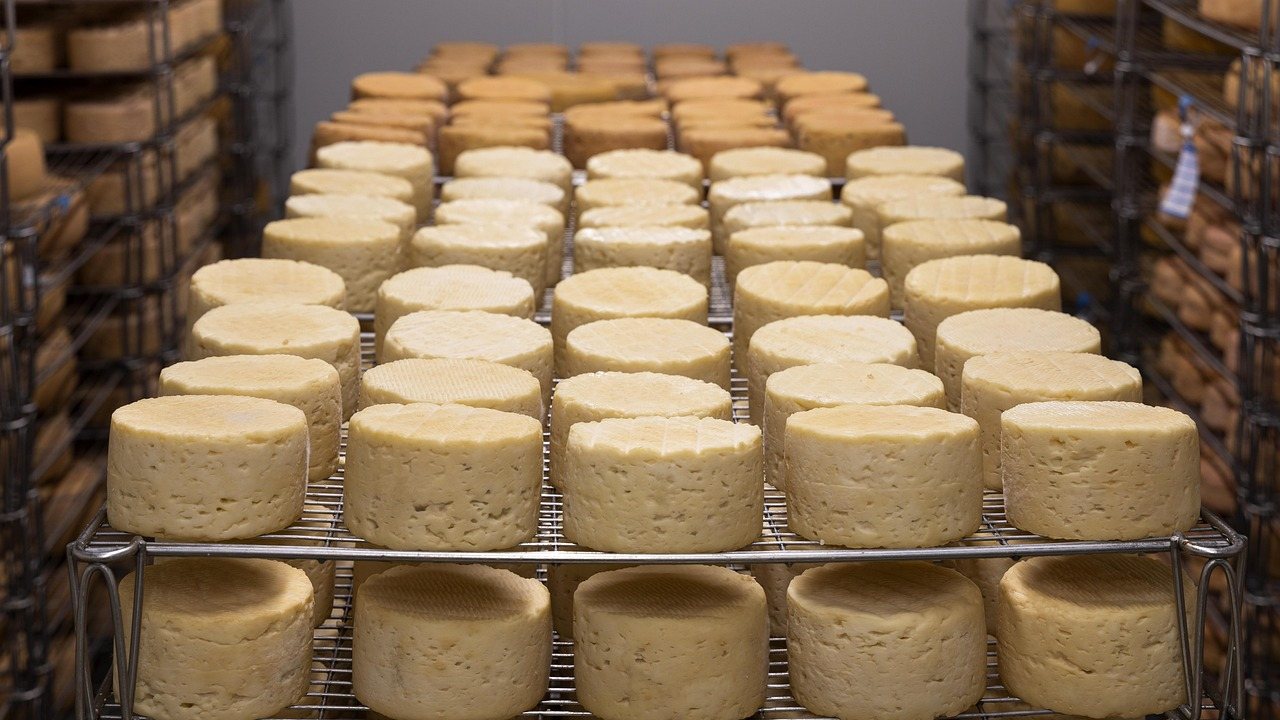
The Liberty Justice Center, which was involved in an earlier, successful case to strike down Trump's "Liberation Day" tariffs on some 180 countries and territories, argues that the President is once again overstepping his legal authority. The administration also violated Section 338's 30-day waiting period. On September 8, it added Canadian cheeses imported by Gellert to the tariff list but began collecting duties just seven days later. The lawsuit seeks refunds of those prematurely collected tariffs.
A court ruling in favor of plaintiffs could potentially entitle importers who paid Section 338 duties to refunds. No outcome is guaranteed, and importers should not restructure supply chains around litigation hopes alone — but tracking this case is prudent.
Why the Motor Vehicle List Misleads More Than It Guides
One persistent compliance trap deserves special attention as the October 30 list change takes effect. The name of HTSUS heading 9903.03.14 causes more misclassification than any other part of the program. The motor vehicle list draws goods from Chapters 4 through 97 of the HTSUS. It covers Canadian furniture, cosmetics and apparel, among many other products. An importer who looks at the heading title and stops there can easily miss a 50-point exposure.
The only reliable approach is a line-by-line screen of every Canadian-origin HTS number the company imports against all three lists. The screen has to be run on the eight-digit subheading, not a six-digit family, because the lists are drawn at the tariff line. With the October 30 modifications now in play, that screen needs to be rerun immediately against the updated annexes.
The Five Steps Importers Must Take Before October 30
Compliance guidance from customs authorities and trade professionals converges on a clear sequence of actions.
Step 1 — Pull and review the October 23 proclamation annexes
Importers must consult the implementing proclamation and any associated HTSUS amendments or U.S. Customs and Border Protection guidance for the exact additional duty rate and entry reporting requirements. The fact sheet product descriptions are informational; the binding scope is the eight-digit HTSUS code language in the annexes.
Step 2 — Re-screen every Canadian-origin SKU
Re-screen your Canadian HTSUS lines against the revised product lists before October 30, since goods previously out of scope may now be covered. Duty is based on entry date. Goods in transit or sitting in bonded storage that were cleared before October 30 may be treated differently than those entered on or after that date.
Step 3 — Recalculate landed costs for newly added categories
For any product line now falling under the new additions — carpets, HVAC equipment, cocoa, recreational goods — update your landed-cost models to reflect the additional 50 percent. Confirm whether Section 232 duties or other trade measures also apply and calculate cumulative duty exposure.
Step 4 — Update broker instructions and entry templates
Update broker instructions, customs entry software, product master data, landed-cost models, and duty accruals. Entries submitted with stale HTSUS Chapter 99 classifications will either result in underpayment — triggering potential penalties — or overpayment that can be difficult to recover.
Step 5 — Monitor CBP guidance closely
Validate classifications against the full HTSUS and CBP guidance; annex product descriptions are informational and do not independently define scope. Monitor CBP implementation guidance and any Federal Register technical or ministerial corrections. CBP Cargo Systems Messaging Service (CSMS) notices are the authoritative source for entry filing instructions and should be checked daily through and after October 30.
How ASR Can Help
Navigating a tariff list that has now been revised three times in three months demands real-time expertise. ASR WorldWide Express (FMCSA MC# 1667345-B, DOT# 4286843, SCAC AZCB) coordinates U.S. customs clearance for Canadian-origin freight through our network of licensed customs broker partners who track every CSMS update, re-screen HTSUS codes against current proclamation annexes, and help importers structure their entries to reflect the correct duty treatment from day one. Whether you are losing a 50 percent surcharge on a product that just came off the list, or discovering an unexpected exposure on a newly added category, our team can connect you with the right clearance resources and provide freight forwarding support across ocean, air, and cross-border trucking lanes.
Call us at +1 786 373 3003 or email shipping@asrwe.com to speak with a specialist before October 30.
Important Disclaimer
This article is intended for informational purposes only and does not constitute legal or customs compliance advice. The Section 338 tariff program is subject to ongoing proclamation modifications, litigation, and CBP guidance updates that may alter its scope on short notice. Importers should consult their licensed customs broker and trade counsel to assess how the October 30 changes apply to their specific HTSUS classifications, supply chain structure, and contractual obligations.