A Depression-Era Law Puts Food Importers in the Crossfire
On October 20, 2026, a landmark legal challenge arrived that every U.S. food importer sourcing from Canada should read carefully. The Liberty Justice Center filed a lawsuit in the U.S. Court of International Trade challenging the Trump administration's use of Section 338 of the Tariff Act of 1930 to impose 50 percent tariffs on Canadian goods. The plaintiff is a name well-known in food distribution: Gellert Global Group is a third-generation family business based in New Jersey that has imported Canadian cheese for around 100 years. The case is called Gellert Global Group Corp. v. Trump, and its outcome could reshape the tariff landscape for hundreds of businesses importing Canadian food products into the United States.
What Section 338 Actually Is — and Why It Had Never Been Used
To understand why this lawsuit matters so much, you need to understand the statute at its center. Section 338 is a Depression-era statute — part of the 1930 Smoot-Hawley Tariff Act — that no president had used to impose a tariff until this year. It is aimed at specific foreign discrimination against U.S. commerce. Section 338 of the Tariff Act of 1930 authorizes the president to indefinitely impose duties of up to 50 percent on imports from a country that discriminates against U.S. commerce. It had never been invoked this way before, which is why trade press called it the administration's "nuclear option."
On July 20, 2026, President Trump signed three proclamations imposing an additional 50 percent ad valorem duty on certain Canadian imports under Section 338 of the Tariff Act of 1930. The proclamations target motor vehicles, alcoholic beverages, and dairy products. The tariffs are assessed in addition to all other applicable tariffs, taxes, fees and charges, and apply regardless of whether the goods qualify under the Canada-United States-Mexico Agreement. The 50 percent duty took effect on August 22, 2026, after brief trade talks between the two countries collapsed without a deal.
The Covered Products Go Far Beyond the Headlines
If you read only the headline categories — dairy, alcohol, and motor vehicles — you may have dramatically underestimated your own exposure. If your compliance check started and ended with the three headline categories, there is a meaningful chance you have not found your actual exposure yet. Each of the three July 20 proclamations carries an annex that extends the same 50 percent duty to a much longer list of products that received almost no press coverage: wine, plywood, cement, furniture, clothing, seeds, fishing rods, hockey sticks, swimming pools, and even wigs.
The U.S. Trade Representative's office puts total covered trade at nearly $20 billion — about 5.2 percent of the $382 billion in goods the U.S. imported from Canada in 2025 — spread across hundreds of eight-digit HTS lines. The scope expanded further on September 8, when the administration signed additional proclamations. Those proclamations modify the product scope of the existing 50 percent Section 338 tariff, effective September 15, 2026: all-terrain vehicles, animal hides, mattresses, lamps, and motorboats are added at the 50 percent rate, while rock salt and cement are removed. Then, on September 29, the situation escalated further. Three presidential proclamations excluded 68 Canadian tariff lines from importation into the United States entirely. From 12:01 a.m. Eastern Time on September 29, 2026, those 68 lines — including beer, wine, spirits, whey, molasses, and motorcycles over 800cc — are barred from U.S. import.
The Real Financial Damage on the Ground
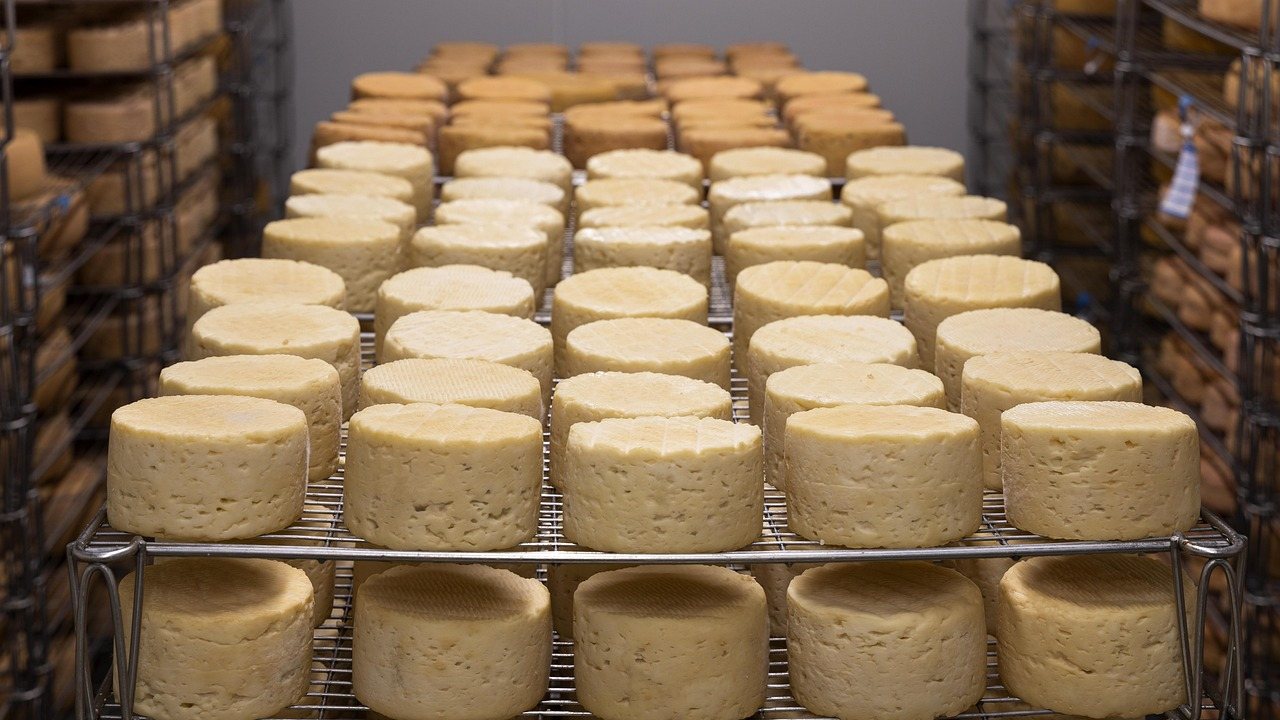
For Gellert Global Group, the numbers illustrate the scale of disruption these tariffs cause even for a large, well-established importer. The suit says Gellert Global boasts more than $1.7 billion in annual revenue. In 2025, the company imported $71 million worth of Canadian cheese — including sheep's and goat's milk cheese, mascarpone, brie, camembert, and the hybrid cheese borgonzola. Gellert paid no tariffs on its imports of Canadian cheese under USMCA. The Trump administration said in July that it would not renew that trade pact for another 16-year term. Under the Section 338 tariffs, Gellert now pays a 50 percent duty on the entered value of its Canadian cheese — an estimated $40 million per year. While it plans to absorb the costs through the end of the year, the situation is "not sustainable long term," the company says.
Between September 16 and October 11 alone, Gellert had paid more than $520,000 in duties, according to the complaint. The company also flagged a serious procedural violation: The administration violated Section 338's mandatory 30-day waiting period. On September 8, it added Canadian cheeses imported by Gellert to the tariff list but began collecting duties just seven days later. The lawsuit seeks refunds of those prematurely collected tariffs.
Five Legal Arguments — And Why They Only Need One to Win
The lawsuit advances a multi-pronged legal attack on the tariffs. The tariffs on Canada are alleged to be illegal because: Section 338 has been superseded by later legislation; even if Section 338 is still operative, Trump's tariffs do not meet its requirements because the Canadian actions they supposedly respond to do not "discriminate" against U.S. goods as the law requires; and Trump's tariffs do not "offset" the Canadian actions as Section 338 also requires. To prevail, the plaintiffs need to win on only one of these arguments.
Alongside the complaint, the Liberty Justice Center filed a motion seeking a preliminary injunction to block collection of the tariffs and summary judgment in Gellert's favor. This matters for timing: a preliminary injunction, if granted, could halt tariff collection while the full case is litigated. Gellert Global is represented by the Liberty Justice Center, the same legal group that dealt a major blow to Trump's trade agenda by successfully contesting his "reciprocal" tariffs at the Supreme Court.
What a Class Action Means for All Importers Paying Section 338 Duties
This is where the lawsuit becomes directly relevant to any business that has been paying these tariffs, not just the named plaintiff. The Liberty Justice Center is not simply fighting for relief for the business named in this lawsuit. They are seeking certification of a nationwide class of importers subjected to Section 338 tariffs, along with a separate subclass of businesses that paid duties before the statute's mandatory 30-day waiting period expired.
The LJC further seeks a class action certification for a class of all importers subject to the Section 338 tariffs. If this succeeds, it would block all enforcement of Section 338 tariffs, not just those paid by Gellert. The court is being asked to stop the unlawful tariffs and order refunds, with applicable interest, of duties collected without legal authority. The court has not yet certified either proposed class, and refunds have not been ordered.
For context on how prior tariff refunds have worked: U.S. Customs and Border Protection had certified about $122 billion in refunds, including interest, and sent them to the Treasury Department for disbursement as of September 11 following the Supreme Court's ruling against IEEPA tariffs. Importers had paid about $166 billion under those struck-down tariffs. The refunds go to the importers of record that paid the duties, not directly to consumers. Economists say consumers absorbed much of the cost through higher prices. Record-keeping discipline is therefore essential: importers paying the duty should preserve entry records now — a refund, if one comes, will turn on what was paid, when, and whether entries have liquidated.
How ASR Can Help
Navigating a tariff environment this unsettled requires a freight forwarder that stays ahead of every proclamation, CBP guidance update, and court ruling. ASR WorldWide Express coordinates closely with licensed customs broker partners to make sure your Canadian-origin shipments are classified correctly against the latest Section 338 HTS chapter headings, that your entry records are preserved in the format any future refund process would require, and that your supply chain strategy accounts for the escalating import bans effective September 29. Whether you source dairy, furniture, wine, or any of the hundreds of other product categories caught in this tariff web, we can help you assess exposure, plan alternative sourcing strategies, and keep your shipments moving compliantly.
Contact ASR WorldWide Express at +1 786 373 3003 or shipping@asrwe.com to speak with a specialist today.
Important Disclaimer
This article is provided for informational purposes only and does not constitute legal, tax, or customs compliance advice. Tariff schedules, proclamation annexes, and court proceedings are subject to rapid change. Importers should consult their licensed customs broker and qualified trade counsel to assess their specific exposure under Section 338 and to evaluate the implications of the Gellert Global Group litigation on their business.