The Robot Tariff That Was Not — For Now
On October 28, 2026, a trade policy decision that US manufacturers and importers had been bracing for more than a year quietly landed — without the tariffs they feared. President Trump signed a Section 232 proclamation formally declaring that imported robotics, industrial machinery, and their parts and components threaten US national security. Yet he stopped short of imposing any duties, quotas, or fees on the spot. Instead, he opened a 180-day negotiation window that will determine whether that restraint holds. For any company that buys, imports, or relies on CNC machining centers, industrial robots, welding systems, stamping presses, or laser-cutting tools from overseas, that clock is now running.
What the October 28 Proclamation Actually Says
President Donald Trump issued a Section 232 proclamation on October 28, 2026, addressing imports of robotics, industrial machinery, and their parts and components. The president concurred with Commerce's finding that these imports are entering the United States in quantities and under circumstances that threaten to impair national security.
The proclamation concerns imports of robotics, industrial machinery, and their parts and components from all countries. It directs Commerce and USTR to negotiate agreements and allows possible future import measures, but establishes no tariff rates, HTS classifications, quotas, or immediate entry requirements.
Trump directed Commerce Secretary Howard Lutnick and US Trade Representative Jamieson Greer to negotiate with trading partners to address those imports and to report on their progress within 180 days, leaving the door open to subsequent tariffs. The proclamation also indicates Trump may consider incentives for new US production of robotics, industrial machinery, and related components.
What Products Are in Scope
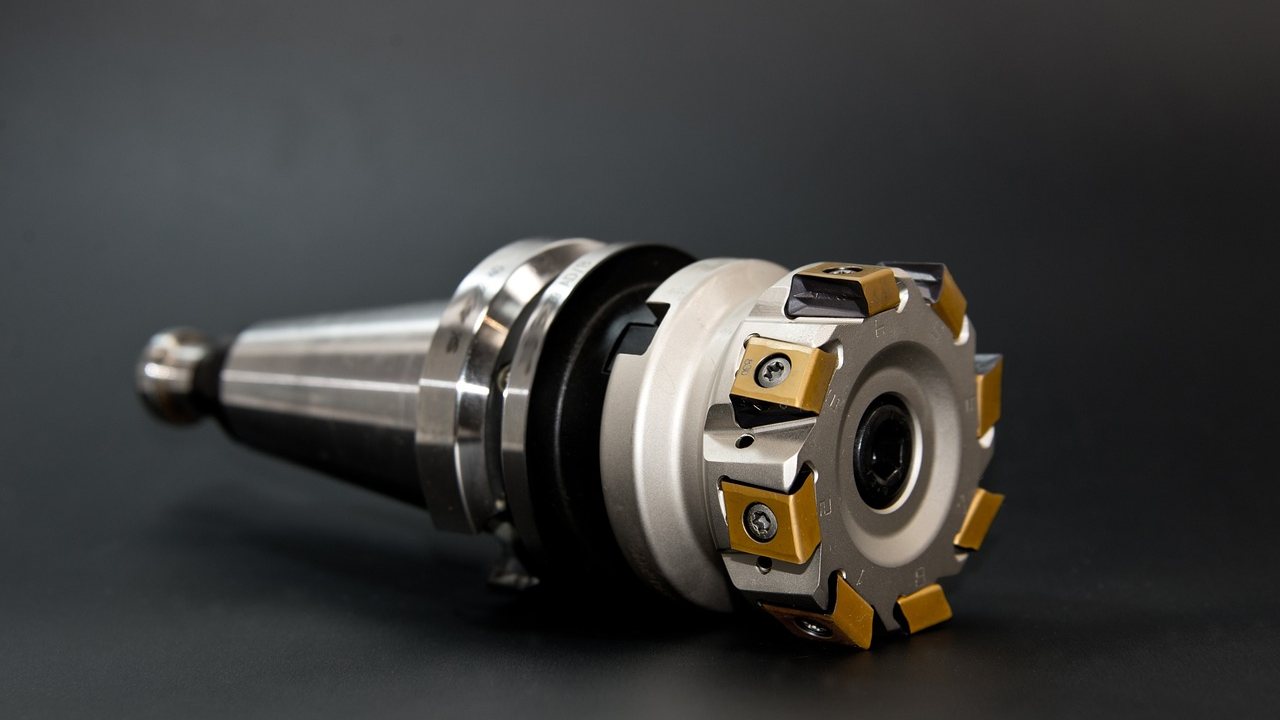
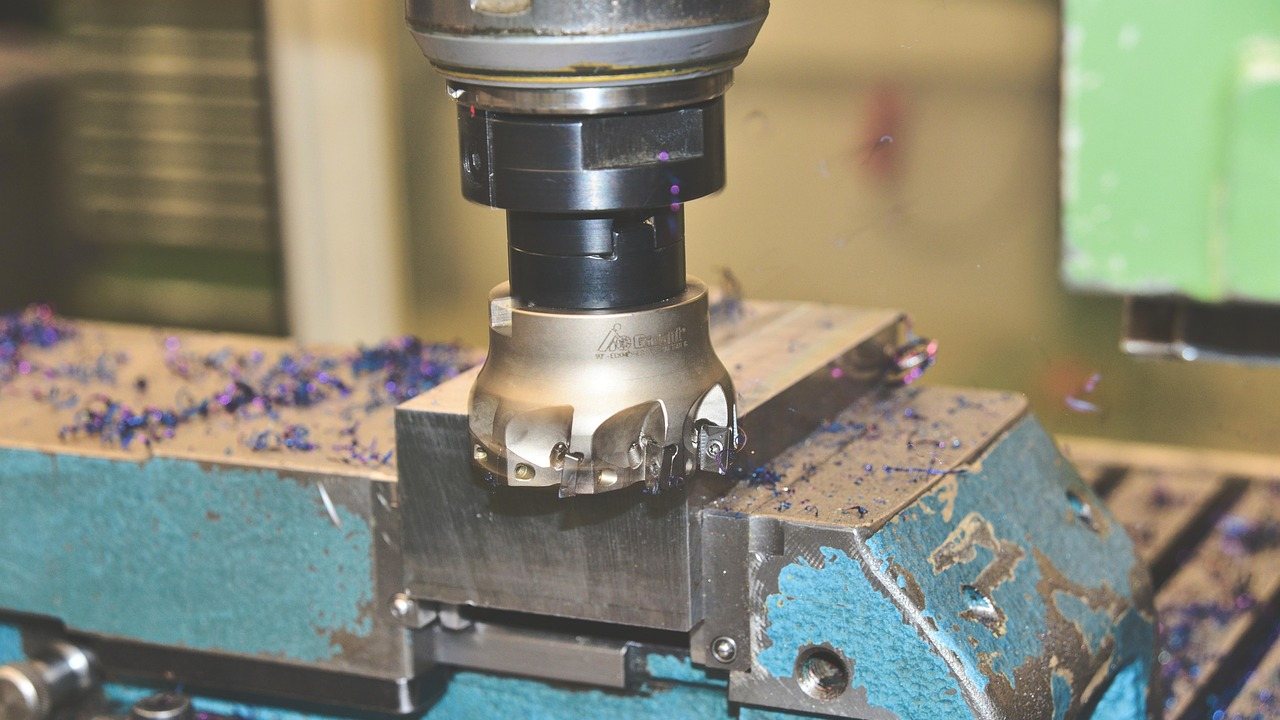
The product footprint of this investigation is sweeping. Covered goods include imports of robotics and industrial machinery, including robots, programmable computer-controlled mechanical systems, CNC machining centers, turning and milling machines, grinding and deburring equipment, industrial stamping and pressing machines, automatic tool changers, jigs and fixtures, machine tools, specialty metalworking equipment, autoclaves and industrial ovens, metal finishing and treatment equipment, EDM machinery, and laser and water-cutting tools and machinery. Unmanned aircraft systems are excluded — those were covered by a separate Section 232 drone order earlier in 2026.
There is no single HTS code for industrial machinery imports, making the impact of potential restrictions difficult to assess. That ambiguity is precisely why importers cannot afford to wait for final rules before reviewing their supply chains.
Why Commerce Said Imports Pose a National Security Risk
The investigation, which Commerce launched in September 2025, produced findings that went well beyond typical trade-deficit arguments. The probe found that the US produces less robotics and industrial equipment than it needs and lacks the domestic capacity to meet demand. The investigation also concluded that the country faces risks to its manufacturing base, national security, and economic well-being by importing such large quantities of robotics and industrial equipment.
Robotics and industrial machinery support roughly $7.1 trillion in manufactured-goods shipments and about $86 billion in equipment production, based on 2024 figures cited in the order. The administration's case rests not only on industrial dependency but on data security. Commerce also identified potential cybersecurity risks associated with certain foreign-sourced equipment. Foreign-built robots and machines can contain cameras, sensors, communications hardware and software capable of processing or storing sensitive information inside American plants.
Where US Imports of Robotics Actually Come From
One of the most striking facts about this investigation is that the US import base is dominated by allies, not adversaries. The United States is a net importer of these goods, importing $25 billion more than it exported in 2024. The United States has no major company mass-producing industrial robots and few domestic component suppliers. Most US imports of industrial robots and machinery come from allies — Canada, Germany, Italy, and Japan supply half of all imports. China ships 8 percent.
The United States is the largest importer of industrial robots, accounting for 20 percent of global imports. The leading sources of US imports of industrial robots and certain parts in Q2 2026 were Japan at 21 percent of imports, Germany at 14 percent, and Korea at 11 percent.
US imports in Q2 2026 reached $551 million, a 23% increase from Q1 and the highest level since the second quarter of 2022. That surge in import volumes is part of why the administration took formal action — demand for automation equipment is rising sharply at exactly the moment the US production base remains thin.
The United States installed 38,400 industrial robots in 2025, marking a 12% year-on-year increase, surpassing Japan's installation figure of 36,200 and making the US the second-largest market for industrial robots in the world after China. That growth in domestic deployment — largely sourced from abroad — underscores the tension at the heart of this policy.
The 180-Day Clock and What Comes Next
The proclamation is best understood not as a resolution but as the starting gun on a structured negotiation phase. Section 232 authorizes a plan of action, with adjustments over time, that may include negotiated agreements alongside tariffs, duties, quotas, and fees. The administration has kept every tool available.
These recent actions contrast with Trump's previous use of Section 232, a statute he has leveraged to impose tariffs on a wide range of goods, including cars and auto parts, drones and components, and polysilicon. The drone comparison is instructive: Trump's August 13 drone proclamation put tariffs of 25% to 100% on imported drones and listed components from September 3. Robotics got a softer opening move — but the precedent shows that tariffs can follow quickly if talks stall.
The decision spares US manufacturers, which rely on foreign imports for most types of robotics and industrial machinery, from immediate new tariffs, but leaves open the threat of duties if talks with trading partners fall short. The Secretary of Commerce must inform the President of circumstances that could warrant further Section 232 action. The President may take additional measures to adjust imports in the future.
What Importers Should Be Doing Right Now
The 180-day window is a gift of time, but only if you use it. The practical steps for any company that imports equipment falling within the scope of this investigation are the same whether tariffs arrive in six months or two years.
Start by mapping your machinery procurement. Work with your customs broker to identify every HTS heading that could fall within the investigation's scope across your bill of materials and capital equipment purchase orders. Because no specific HTS subheadings have been designated, classification reviews require professional judgment applied to the product descriptions Commerce has published.
Review your contracts and purchase orders now. Many capital equipment purchase agreements do not contain tariff adjustment clauses, leaving importers exposed to full duty liability if rates are announced between order placement and delivery. Long-lead-time machinery — often ordered months in advance — is particularly vulnerable.
Model your landed cost scenarios. Even a 15 to 25 percent additional duty on high-value CNC centers or robotic cells can represent tens of thousands of dollars per unit. Scenario planning with your finance team now avoids sticker shock later.
Engage with the negotiation process. The proclamation invites trading partners to reach agreements that could provide preferential treatment for their exports. If your key suppliers are based in Japan, Germany, Korea, or Canada, monitor the bilateral negotiation tracks closely — favorable terms for allied-country machinery could materially reduce your tariff exposure.
Consider domestic sourcing and leasing alternatives. Trump is putting foreign suppliers and trading partners on notice: America will negotiate from a position of strength, build more of these systems at home, and reserve the right to impose tariffs, quotas, duties or fees if negotiations fail to eliminate the risk. That signals a longer-term structural shift in the automation equipment market worth factoring into multi-year capital plans.
How ASR Can Help
Navigating a live Section 232 investigation requires experienced logistics and customs coordination partners who stay ahead of the regulatory curve. ASR WorldWide Express works alongside licensed customs broker partners to help manufacturers, distributors, and capital equipment buyers manage import classification, landed cost analysis, and supply chain restructuring as trade policy evolves. Whether you are importing a robotic welding cell from Japan, a CNC machining center from Germany, or stamping equipment from Korea, our team is ready to help you move freight efficiently and stay compliant.
Call us at +1 786 373 3003 or email shipping@asrwe.com to speak with a freight specialist about your machinery import needs.
Important Disclaimer
This article is published for informational purposes only and does not constitute legal, tax, or customs compliance advice. The regulatory landscape surrounding Section 232 investigations changes rapidly. Importers should consult a licensed customs broker and qualified trade counsel to assess how this proclamation and any future actions may affect their specific shipments, HTS classifications, and commercial contracts.