The Assumption That Is No Longer Safe
For decades, every warehouse lease, every supplier contract, and every network design decision was made on a silent assumption: electricity would always be there when you flipped the switch. That assumption is quietly breaking down. In November 2026, Gartner issued a stark warning that supply chain leaders can no longer afford to ignore — access to energy is becoming one of the most significant constraints on supply chain growth in the world today. For US importers, manufacturers, and logistics operators who are already wrestling with tariffs, rate volatility, and geopolitical disruption, a structural electricity crunch is arriving at the worst possible moment.
What Gartner Actually Said
The research is unambiguous. Supply chain growth is increasingly being constrained by energy availability, according to Gartner. As electricity demand rises and energy infrastructure faces mounting capacity and reliability challenges, organizations may encounter higher operating costs, delays in expansion plans and obstacles to electrification initiatives.
The firm's senior director analyst in the supply chain practice, Marta Muñoz, put it plainly: "Many supply chains continue to operate under the assumption that energy is an always-available input. That assumption is becoming increasingly difficult to sustain. Energy availability is emerging as a factor that can influence where organizations operate, how they expand, and whether they can execute automation and electrification strategies as planned."
The financial stakes are concrete. Gartner predicts that by 2029, most manufacturers without advanced energy management capabilities will experience 20% to 30% higher costs due to price and supply volatility, network congestion, and capacity constraints. For an importer sourcing goods from energy-intensive factories, those cost increases will not stay inside the plant walls — they will migrate into unit prices, lead times, and ultimately the total landed cost of your cargo.
Why Electricity Demand Is Surging
Rising electricity demand from industrial electrification, AI-enabled data centers and fleet transitions are colliding with aging infrastructure, transmission bottlenecks and lengthy interconnection processes. Gartner projects that global data center electricity consumption will more than double by 2030, with AI workloads as the primary driver. Together, AI adoption, industrial electrification, and population growth are expected to account for roughly 90% of global electricity load growth by the end of the decade.
In practical terms, this year alone tells the story. Global data center electricity consumption is forecast to reach 565TWh in 2026, a 26% increase on the 447TWh recorded in 2025. The grid was simply never built for this pace of demand growth.
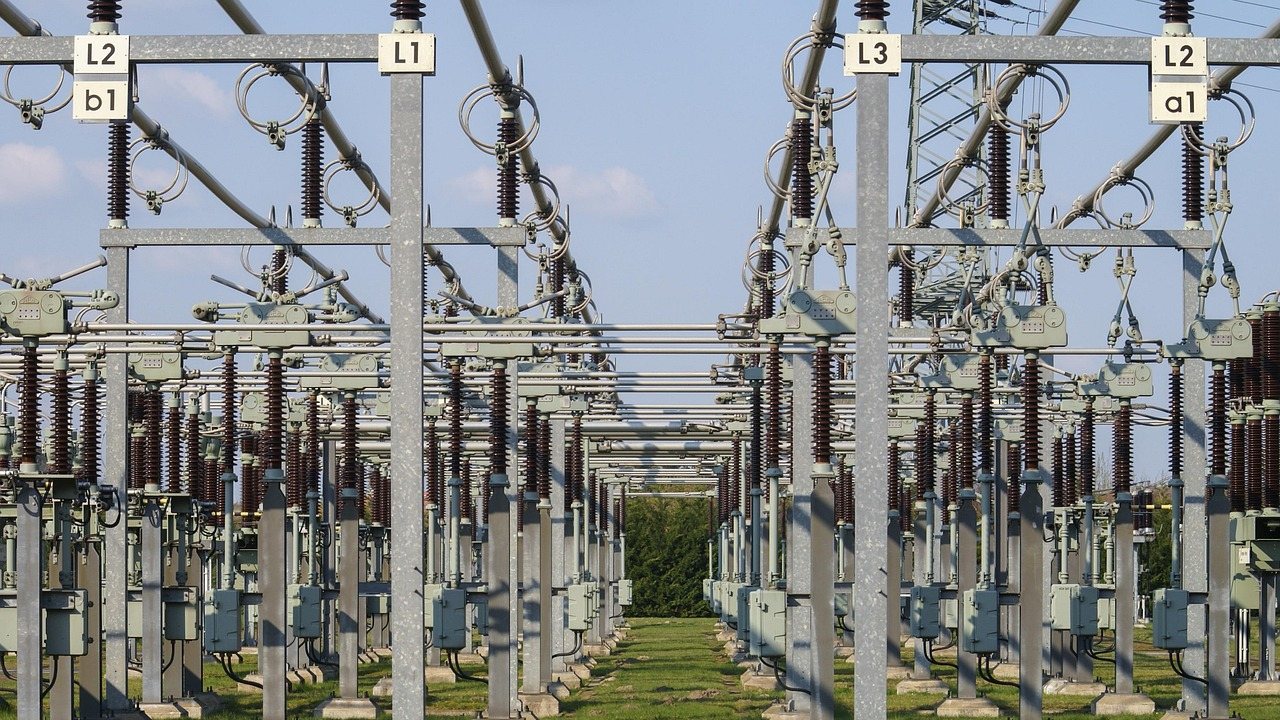
Meanwhile, the physical infrastructure needed to deliver power is in short supply. Power transformers and substations are already in an estimated market shortage of 15% and 8%, respectively, in 2026. Lead times for large power transformers have ballooned from less than a year to between two and five years, with Wood Mackenzie forecasting a 30% supply deficit in the US for 2025, a market heavily dependent on imports for an estimated 80% of its supply. That equipment backlog is not clearing quickly.
How This Threatens Your Suppliers
Energy availability is becoming a structural constraint that affects operational resilience, cost-to-serve, and long-term growth. For importers, the most immediate concern is what happens upstream — at the factories and facilities that produce the goods you are bringing into the United States.
Localized supply-demand imbalances and grid congestion can cause sharp increases in facility-level energy costs, raising cost-to-serve and putting pressure on margins. When a factory in an energy-constrained region faces an outage or a sharp rate spike, it may reduce output, miss ship dates, or pass costs directly to buyers. Traditional energy management strategies do not address physical limitations such as grid congestion, local capacity shortages or interconnection delays, and Gartner research indicates that these constraints are increasingly shaping network design decisions, capacity planning and facility expansion strategies.
This is not a distant hypothetical. Prologis data shows that almost 90% of companies experienced energy disruptions in the past year, and 90% said they would pay a premium for sites with reliable energy infrastructure. When nearly every major supply chain participant has already felt a disruption, risk planning is no longer optional.
The Site Selection Revolution
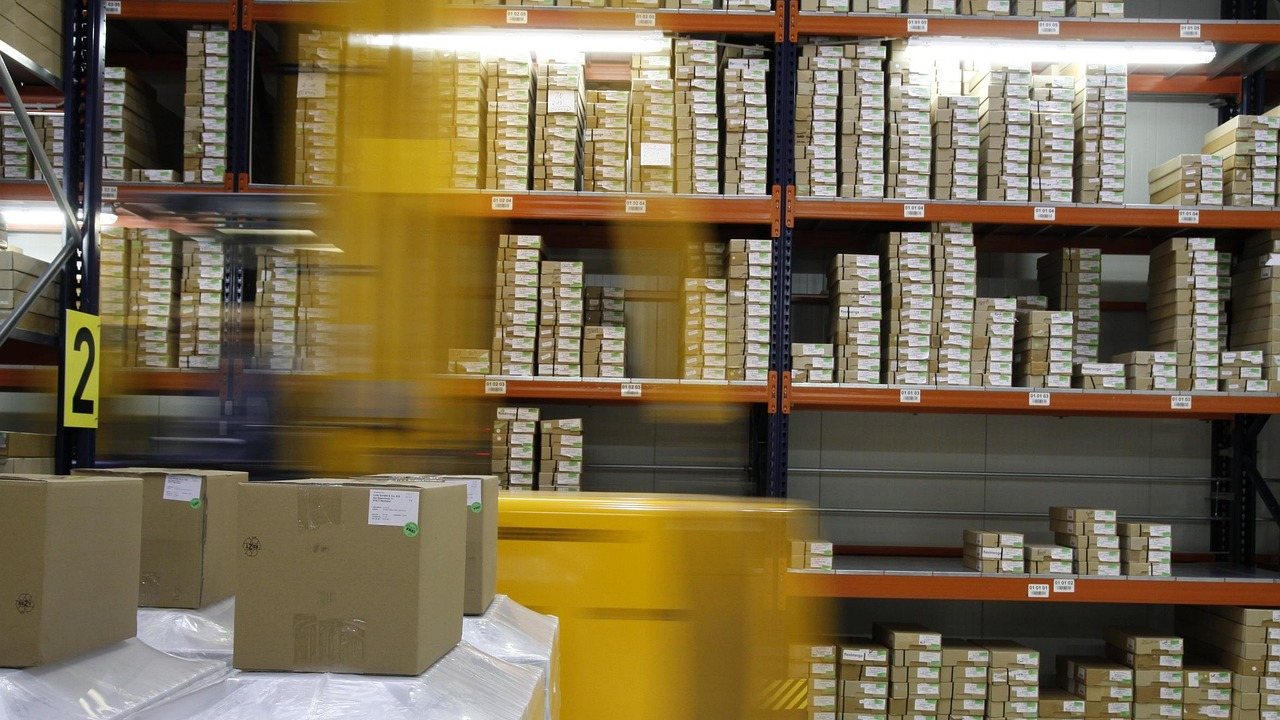
Where you store and process goods is changing because of power. Power capacity is becoming a key site-selection factor for warehouse users, now joining clear height and loading docks as a primary filter — and in some markets, it has become a deciding factor.
Across the western United States, the binding constraint on industrial site selection has shifted from land and labor to electricity. Markets that were once magnets for distribution and manufacturing activity are running short on available grid capacity. In Mexico's manufacturing-led markets, lack of power supply for tenants moving into new facilities is already the top constraint, and transformer utilization across all major manufacturing hubs exceeds the recommended 80% threshold.
In 2026, it is not uncommon for a manufacturer needing 200 megawatts to face a five-year wait and be asked to put down a million-dollar non-refundable deposit — with no guarantee of actually getting it. By 2027, electricity availability will dominate site selection, says Larry Gigerich, executive managing director of consulting firm Ginovus.
For importers planning a new warehouse, distribution hub, or nearshoring operation, the traditional checklist of clear height, truck court depth, and proximity to intermodal is no longer sufficient. Power availability and utility lead times need to be on the site-selection checklist alongside those traditional variables.
The Automation and Electrification Trap
One of the more insidious dimensions of this crisis is that it strikes directly at the strategies importers have been investing in to stay competitive. Warehouse automation, fleet electrification, and on-site technology upgrades all depend on a stable and abundant power supply. Limited grid capacity can slow the rollout of fleet electrification, automation initiatives and other energy-intensive modernization programs.
The key location question has shifted from "Do we have space?" to "Can this site sustain automated throughput under rising energy demands?" An importer that signs a long-term lease on a facility without stress-testing its power infrastructure may find that the robotics, conveyor systems, or refrigeration units they planned to install simply cannot be energized on schedule — or at all without a costly multi-year utility upgrade.
A warehouse may technically be available, but if it cannot support the required automation, refrigeration, fleet charging or manufacturing equipment, it may have little practical value to a particular occupier. Identifying this risk before signing a lease is now a core due-diligence task.
What Importers and Supply Chain Leaders Should Do
Gartner's guidance for supply chain leaders is clear and actionable. CSCOs should begin treating energy availability as a core consideration in network design and growth planning. This means evaluating energy constraints during site selection, aligning energy strategies with local grid realities and incorporating energy availability into broader supply chain resilience efforts. Organizations that build greater visibility into energy dependencies and vulnerabilities will be better positioned to manage disruption and support long-term growth.
In practical terms, this means several things for importers and logistics operators. First, audit your supplier base for energy exposure. Ask your key overseas and nearshore suppliers about their grid reliability, energy contracts, and backup generation capacity. A factory without an answer is a risk. Second, treat energy as a risk factor in network design. When modeling distribution footprints or evaluating new facility locations, include utility capacity, interconnection timelines, and local grid congestion data alongside rent and labor costs. Third, engage your 3PL and warehousing partners on power readiness. If you depend on a third-party fulfillment center for automation-intensive operations, ask what happens during a grid event. Fourth, consider energy resilience when diversifying sourcing. As you evaluate Vietnam, Mexico, India, or other supply origins in the context of ongoing tariff reshaping, factor in whether those regions have reliable, affordable industrial power — not just lower wages or favorable duty treatment.
The ability to operate manufacturing and logistics facilities with energy independence — through on-site generation, battery storage, or reliable long-term energy contracts — is transitioning from a sustainability preference to a supply chain resilience requirement.
How ASR Can Help
At ASR WorldWide Express, we work closely with importers, manufacturers, and distributors to build freight and logistics strategies that account for the full range of supply chain risks — including the ones that don't show up on a rate sheet. Whether you are reconfiguring your supplier network, evaluating new sourcing origins, or trying to understand how upstream disruptions could affect your US import timelines, our team is here to help you plan ahead.
We coordinate customs clearance through trusted licensed customs broker partners, and our experienced freight forwarding team can help you model risk, structure more resilient routing, and act quickly when disruptions — whether from energy, weather, or geopolitics — affect your cargo. Reach our Miami team at +1 786 373 3003 or shipping@asrwe.com.
Important Disclaimer
This article is for general informational purposes only and does not constitute legal, financial, or regulatory advice. Energy market conditions, grid infrastructure capacity, and site-selection dynamics vary significantly by region and change frequently. Importers and supply chain operators should consult qualified energy advisors, real estate professionals, and licensed customs brokers before making decisions based on this content.