A Political Earthquake Hits Washington
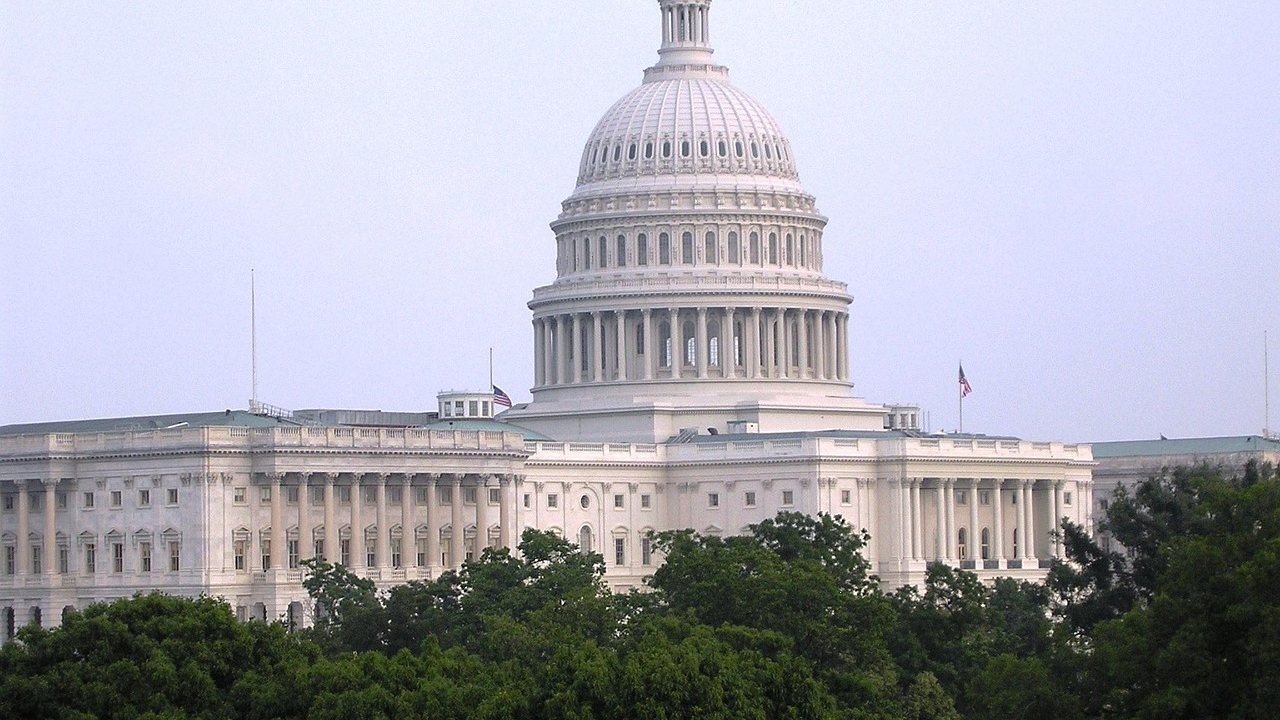
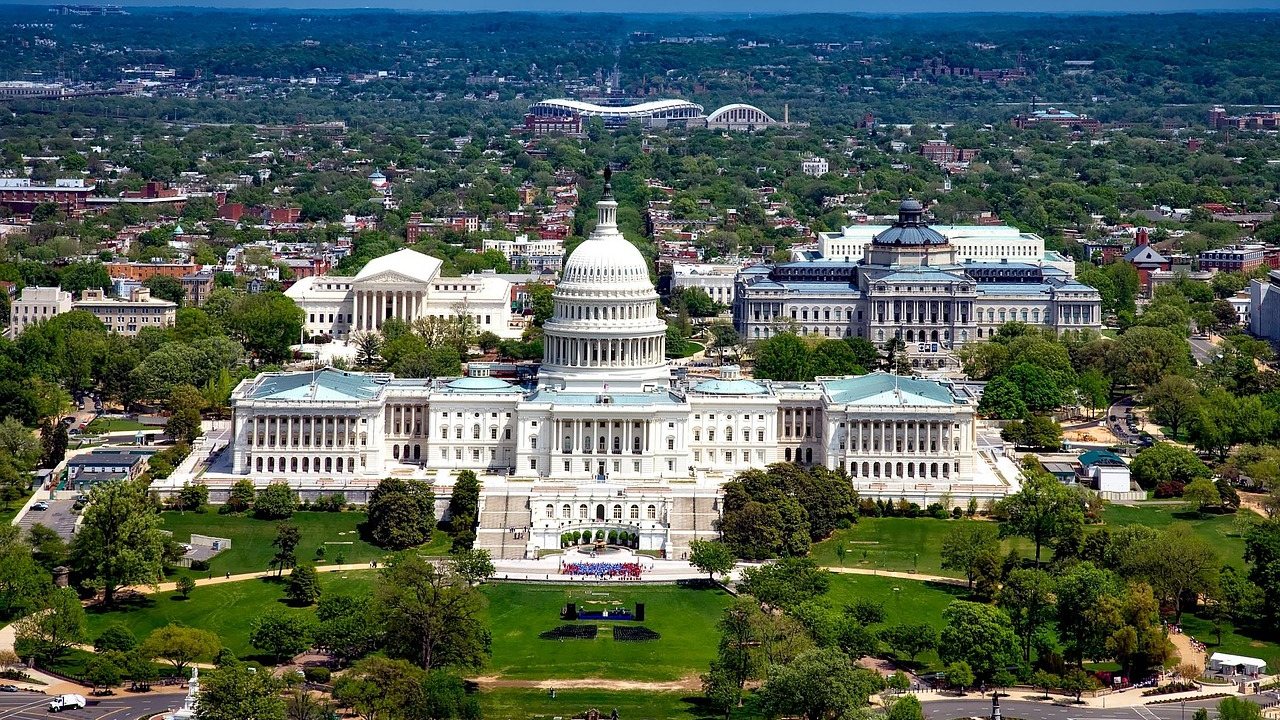
On November 3, 2026, American voters delivered one of the most consequential midterm verdicts in a generation. In an outcome seen as a backlash to President Donald Trump, Democrats decisively won control of the U.S. Senate and the House of Representatives in the 2026 midterm elections. For U.S. importers who have spent two years navigating a punishing and ever-shifting tariff landscape, the immediate question is urgent and practical: does this change anything on the ground? The honest answer is complicated — and every supply chain professional needs to understand exactly why.
The Scale of the Democratic Victory
Democrats seized control of the House and Senate in commanding fashion during Tuesday's midterm elections, flipping seven Senate seats and making history in multiple races in a widespread rebuke of the Trump administration and Republican candidates. NBC News projects that the Democratic Party will win 258 seats in the House — a number Democrats had not reached since 1993, the year President Bill Clinton took office. The Democrats flipped Senate seats in Kansas, Iowa, Texas, Ohio, Maine, North Carolina, and South Carolina.
The decisive wins came as President Trump's approval rating hit 38%, historically low for a president in the midterms, in an election where 89% of voters said cost of living was a major or crucial factor in their votes. Tariffs were squarely at the center of that cost-of-living crisis, making this midterm a de facto referendum on trade policy.
What Democrats Have Promised on Tariffs
Jeffries has said Democrats would focus on four areas: reversing Trump's cuts to Medicaid, extending the Affordable Care Act credits, restoring congressional authority related to tariffs, and stopping Trump's war with Iran. Democrats — likely led by Minority Leader Hakeem Jeffries, who is poised to become the first Black Speaker of the House in U.S. history — also plan to push forward a bill that would undo Trump's sweeping tariffs and reassert Congress' role in setting import taxes.
Ron Wyden, the top Democrat on the Senate Finance Committee, told Reuters: "One of the most obvious priorities would be repealing Trump's tariffs on Canada." Specific legislation is already on the table. In September, Senate Democrats introduced the End Trump's Tariff Tax Act, which would invalidate the forced labor tariffs imposed under Section 301 of the Trade Act of 1974 and repeal the 50 percent duties imposed on Canadian goods under Section 338 of the Trade Act of 1930.
The Veto Wall: Why Repeal Is Not Imminent
Here is the critical reality that every importer must internalize before making any supply chain decisions based on the election outcome. Because tariffs are set by the president using authorities that Congress has already delegated to him, changes in the control of Congress are unlikely on their own to change the administration's tariff policy. Repealing or constraining those authorities over a presidential veto requires a two-thirds majority in both chambers, and such a majority does not seem to have emerged from this midterm election.
Most bills need 60 votes to get past a filibuster in the Senate, and even if Democrats manage that, Trump can still veto their legislation. He has already threatened to do just that, telling a podcast on Monday, "I'll veto everything." Democrats can block Trump's legislative agenda and launch investigations, but they have no two-thirds majority to override a presidential veto.
While the results of the midterms were nothing short of "remarkable," Trump's tariff regime is not likely to come crashing down anytime soon. Under Democratic control, expect oversight rather than repeal.
The Current Tariff Landscape: What Is Actually in Effect Today
To plan intelligently, importers need to understand the tariff framework that exists right now, independent of election outcomes. The story of 2026 has been one of tariff substitution rather than tariff elimination.
For importers, 2026 has been less a story of tariff elimination than tariff substitution. After the Supreme Court invalidated the current administration's tariff regime under IEEPA, broad-based tariff coverage has remained in place through a succession of alternative statutory authorities.
Section 122 tariffs have now been replaced by Section 301 tariffs at a current rate of 10-12.5%. The new forced labor Section 301 tariffs, which took effect July 24, 2026 and cover 60 trading partners at rates of 10-12.5%, replaced the Section 122 global surcharge that expired the same day. Meanwhile, Section 232 tariffs have also been upheld by the Court of International Trade and have been placed on products such as steel, aluminum, automobiles, lumber, and more.
Section 301 and Section 232 remain the most legally durable tariff authorities. Critically, Section 301, Section 232, and Anti-Dumping and Countervailing Duties (AD/CVD) remain fully in force and are not affected by the Supreme Court ruling.
One immediate deadline demands attention regardless of politics: as of October 2026, 178 Section 301 exclusions remain in force until November 10, 2026, after USTR extended them on November 26, 2025. An importer costing goods for entry after November 10, 2026, should not assume an exclusion survives.
What Democrats Can Actually Do: Oversight and Legislation
While outright tariff repeal faces the veto wall, the new Democratic majority wields real tools that will reshape the trade environment in subtler but meaningful ways.
The new majorities can force votes, call hearings, and open investigations once the new Congress convenes January 3. With control of Congress, the Democrats will also control congressional committees that have the power to launch investigations, demand documents, subpoena witnesses, and hold public hearings — all without White House approval.
The new Congress can use its oversight and investigative powers to shed more light on tariffs, and many Asian business and political leaders also hope that Democrats will be able to rein in Trump's use of tariffs. On the legislative front, Democrats are planning "a shock-and-awe legislative sprint" on issues like healthcare subsidies and Trump's tariffs, which could prompt a wave of bills to pass the House but stall against the 60-vote threshold in the Senate.
The appropriations process may be the most underappreciated lever. Any measures that the Democrats really want to become law would likely have to be part of must-pass legislation, such as the annual appropriations bills. Democrats will hold the federal purse strings, chair congressional committees, and — through control of the Senate — decide which of Trump's nominees are confirmed to key national security and diplomatic posts.
The Strategic Reality for U.S. Importers
The political shift in Washington does not eliminate tariff uncertainty — it reshapes it. Importers should consider several realities when planning for the next two years.
First, the tariff burden will remain substantial in the near term. Section 301 and Section 232 tariffs are legally robust and will not be swept away by Democratic legislation alone. Many countries and trading blocs have secured non-binding tariff caps in conjunction with ongoing U.S. trade deal negotiations. These tariff rates continue to be in flux, however, and are closely linked to performance of obligations agreed to in the bilateral deals or similar understandings.
Second, the political environment for tariff escalation has changed meaningfully. With Democrats chairing committees and demanding testimony, the administration faces greater scrutiny on new tariff actions. Erratic tariff policy has now been disrupting the U.S. economy for close to a decade. Although the full consequences will take time to emerge, it is clear that the costs to date are heavy, and falling on Americans. That political cost was validated decisively at the ballot box.
Third, the possibility of bipartisan compromise on targeted tariff relief is real, even if comprehensive repeal is not. Effort to pare back Trump's tariffs would require help from Republicans. Some GOP senators representing manufacturing and agriculture states that have been hurt by retaliatory tariffs may be open to targeted deals, particularly on Canadian trade.
Fourth, the Court of International Trade continues to see challenges to the administration's tariff measures. The court heard argument on the forced-labor Section 301 tariffs on September 30, 2026. Legal challenges running in parallel with Congressional oversight could create additional pressure points.
How ASR Can Help
In a tariff environment defined by layered complexity, speed of change, and legal uncertainty, working with an experienced freight forwarder is more important than ever. ASR WorldWide Express (FMCSA MC# 1667345-B, DOT# 4286843, SCAC AZCB) partners with licensed customs brokers to help importers classify goods correctly, monitor applicable tariff programs, and structure shipments to minimize unnecessary duty exposure. Whether you are tracking Section 301 exclusion deadlines, assessing your exposure under Section 232, or evaluating sourcing diversification options, our team is ready to help you navigate what comes next.
Call us at +1 786 373 3003 or email shipping@asrwe.com to speak with a member of our team.
Important Disclaimer
This article is for informational purposes only and does not constitute legal, tax, or customs compliance advice. The U.S. tariff landscape is subject to rapid change through executive action, court decisions, and legislation. Importers should consult a licensed customs broker and qualified trade counsel before making sourcing, classification, or compliance decisions based on current or anticipated tariff policy.