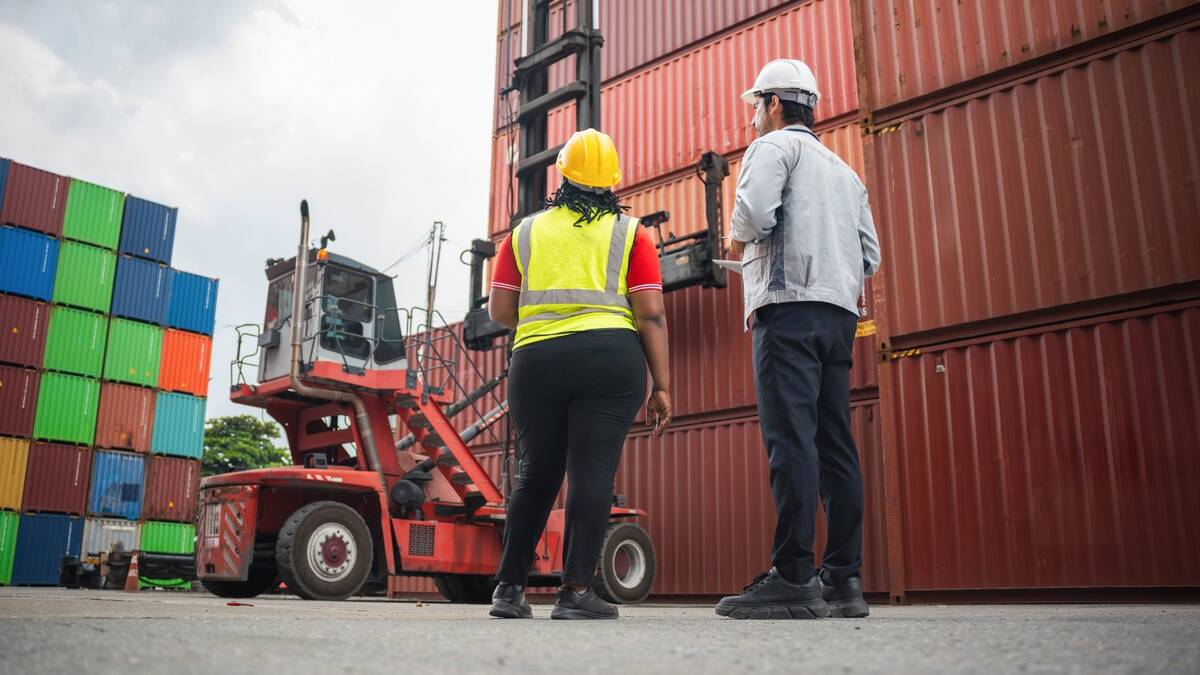
What is customs clearance?
Customs clearance is the process of getting your imported goods approved by US Customs and Border Protection (CBP) for entry into the country. It involves submitting documentation, paying applicable duties and taxes, and complying with all regulatory requirements.
For first-time importers, the process can seem daunting — but with the right preparation and a knowledgeable customs broker, it's straightforward.
Before your goods arrive
Get an importer number
You'll need either an IRS Employer Identification Number (EIN) or a CBP-assigned importer number. This identifies you as the importer of record for all your shipments.
Determine your HTS classification
Every product imported into the US must be classified under the Harmonized Tariff Schedule (HTS). This 10-digit code determines your duty rate and any regulatory requirements. Getting this right is critical — incorrect classification can lead to delays, penalties, or seizure.
Understand your duty rates
Once you know your HTS code, you can look up the applicable duty rate. Rates vary widely — from 0% for some raw materials to 25%+ for certain finished goods. Additional tariffs (like Section 301 or antidumping duties) may also apply.
Required documents
Every import entry requires several key documents. These include a commercial invoice from your supplier with detailed product descriptions and values, a packing list showing carton counts, weights, and dimensions, a bill of lading or air waybill from the carrier, and any product-specific certificates such as FDA, USDA, or FCC depending on the commodity type.
The clearance process
Step 1: ISF filing (ocean only)
For ocean shipments, an Importer Security Filing (ISF or "10+2") must be submitted at least 24 hours before cargo is loaded at the foreign port. Late filing incurs penalties of $5,000 or more per violation.
Step 2: Entry filing
When your cargo arrives, your customs broker files the entry electronically with CBP. This includes all documentation, classification, and declared values.
Step 3: CBP review
CBP may release your goods immediately, or they may select the shipment for examination — either document review or physical inspection. About 3-5% of shipments are examined.
Step 4: Duty payment
Duties and fees are typically paid within 10 working days of entry. Your broker can arrange this on your behalf through a continuous bond.
Step 5: Release
Once duties are paid and all requirements are met, CBP releases your cargo for delivery.
Common mistakes to avoid
The most frequent errors we see from first-time importers include undervaluing goods on the commercial invoice, using incorrect HTS classifications, missing the ISF filing deadline, not having proper product certifications, and failing to account for additional tariffs beyond the standard duty rate.
Partner with ASR
Our trusted customs broker partners handle thousands of entries annually. We'll guide you through every step, ensure compliance, and help you avoid costly mistakes. Get started by requesting a quote at asrwe.com/quote.