What is cross-docking?
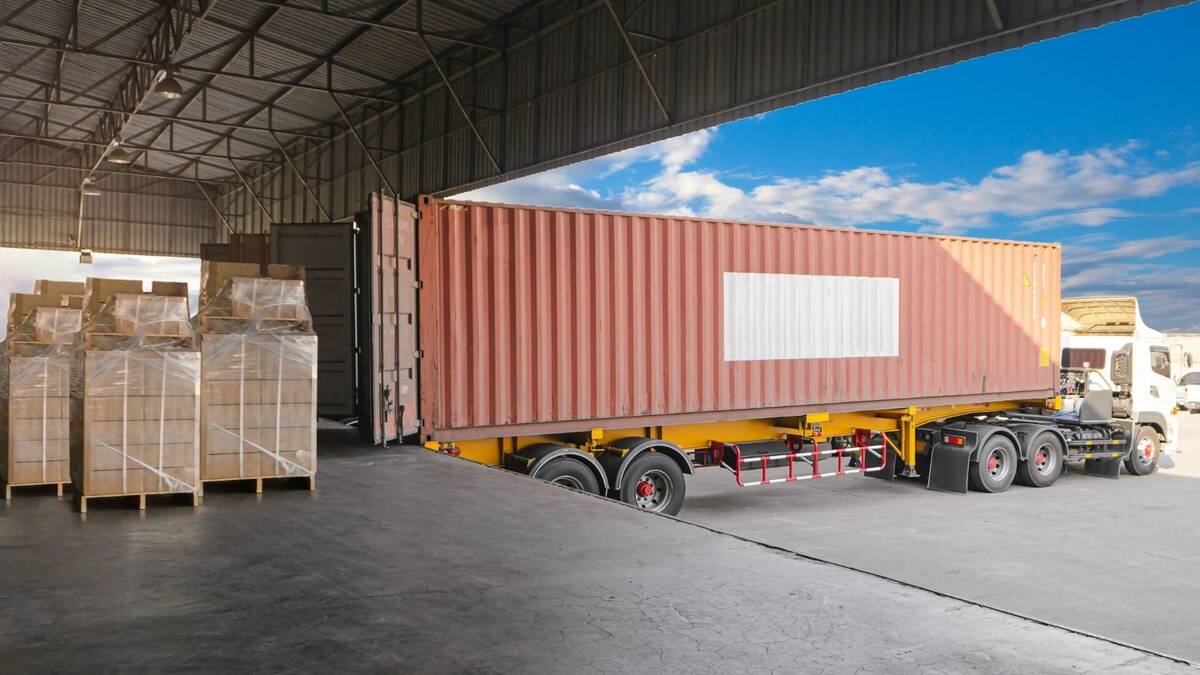
Cross-docking is a logistics practice where products from inbound transportation are unloaded at a distribution facility and loaded directly onto outbound vehicles with minimal or no storage time. The goods literally cross the dock from one side to the other.
This technique eliminates or dramatically reduces warehousing time, storage costs, and handling steps. Products spend hours rather than days or weeks at the facility.
Types of cross-docking
Manufacturing cross-docking receives inbound materials and components from multiple suppliers and assembles them into shipments for delivery to manufacturing facilities. This is common in automotive and electronics manufacturing where just-in-time delivery is essential.
Distributor cross-docking consolidates inbound products from multiple suppliers into mixed-product pallets or orders for delivery to individual customers. This is common in retail distribution where stores receive mixed shipments from a central distribution point.
Transportation cross-docking consolidates shipments from multiple origins going to the same destination area. Small LTL shipments are combined into larger FTL shipments for more efficient long-haul transportation.
Retail cross-docking is used by large retailers to break down full pallet loads from suppliers into store-specific quantities for immediate distribution to retail locations.
Benefits of cross-docking
Reduced inventory costs result from eliminating the need to store products in a warehouse for extended periods. Faster time to market means products reach customers sooner because they skip the storage step. Lower warehousing costs come from reducing square footage requirements and associated costs. Reduced handling means fewer touchpoints lower the risk of product damage. Improved freshness is critical for perishable goods by minimizing the time between production and delivery.
When cross-docking works
Cross-docking is most effective when products are pre-sorted or pre-labeled for their final destination, when demand is predictable and orders are known in advance, when products are perishable or time-sensitive, when there is sufficient volume to fill outbound vehicles efficiently, and when the facility is strategically located between origins and destinations.
When cross-docking does not work
Products with unpredictable demand that require safety stock are not suitable for cross-docking. Goods that require quality inspection, testing, or customization before shipping need traditional warehousing. Low-volume shipments that cannot fill outbound vehicles efficiently are better suited to traditional distribution.
Implementing cross-docking
Success requires careful planning. Your suppliers must be able to deliver accurately and on schedule. Your technology systems must provide real-time visibility into inbound and outbound shipments. Your facility layout must support efficient movement from receiving to shipping docks.
ASR distribution and cross-docking
Our warehousing and distribution services include cross-docking capabilities for time-sensitive and high-velocity products. Contact us at shipping@asrwe.com or +1 786 373 3003.