The Cross-Border Freight Playbook Just Got Shredded
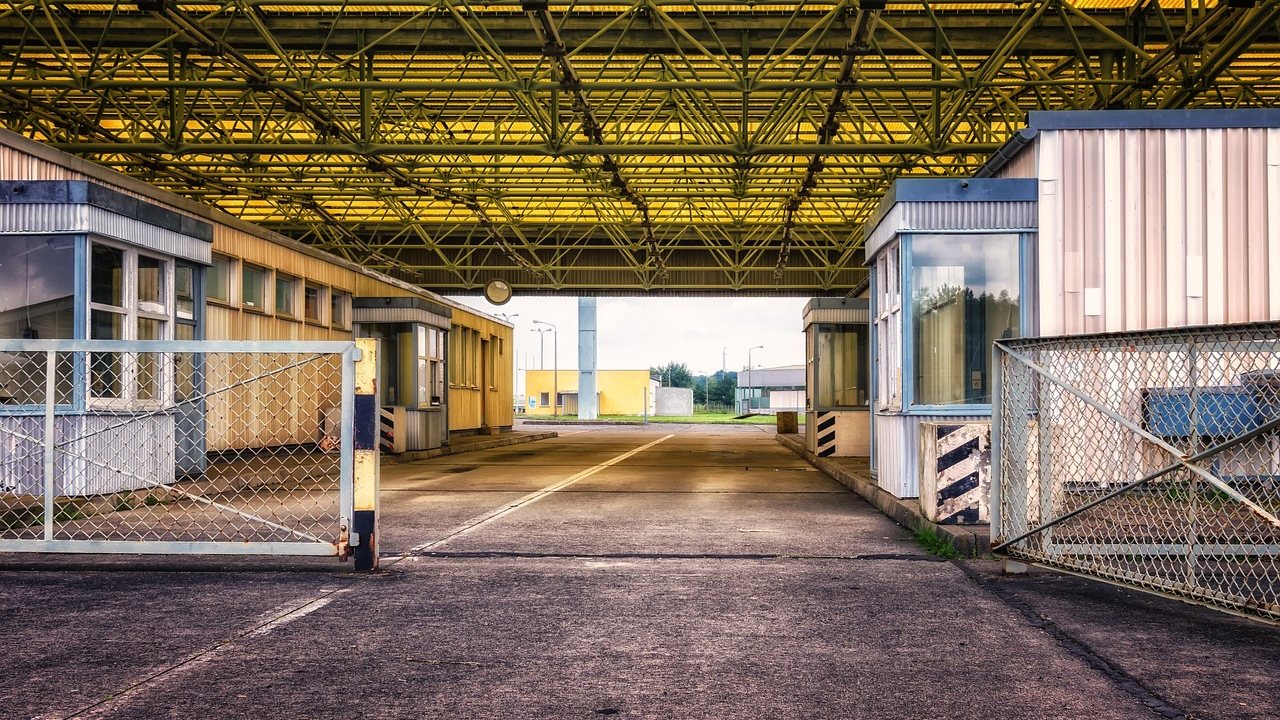
For years, moving goods across the U.S.-Canada border was straightforward enough that many shippers treated it as domestic freight with extra paperwork. That era is over. A cascading sequence of tariff actions — U.S. Section 338 duties of up to 50 percent on Canadian goods effective August 22, 2026, followed by Canada's own retaliatory surtaxes of 15, 25, and 50 percent on U.S.-origin goods effective September 8, 2026 — has fundamentally restructured how freight moves, how warehouses are positioned, and where goods are sourced across the busiest land trade corridor on the planet. Importers and freight operators who are still running last year's playbook are already paying for it.
What the Tariffs Actually Cover
Three U.S. proclamations signed in July 2026 added a flat 50 percent ad valorem duty on a broad range of Canadian goods based on country of origin, applying even to USMCA-qualified goods, under Section 338 of the Tariff Act of 1930. The proclamations are named for Canadian trade barriers in dairy, motor vehicles, and alcoholic beverages, but the duties apply to hundreds of tariff lines across dozens of categories including cement, furniture, paper, textiles, cosmetics, plastics, and sporting goods.
On the Canadian side, the retaliation is equally sweeping. Effective September 8, 2026, Canada imposed surtaxes of 15, 25, or 50 percent on specified U.S.-origin goods, with the measures covering CA$27.6 billion of imports and targeting products including dairy, appliances, agricultural equipment, pulp and paper, clothing, furniture, and electronics. A critical compliance detail that is catching shippers off guard: origin decides the surtax, not routing — the surtax applies to goods eligible to be marked as U.S. goods under Canada's CUSMA country-of-origin marking rules, even when they are exported to Canada from a third country.
Notably, tariffs on both sides apply even to CUSMA-compliant goods and have no expiry date. That last detail is the part that many supply chain teams have not fully processed.
A Capacity Imbalance Is Opening Up
The combined effect of these measures is not just a cost problem — it is a structural freight imbalance problem. Southbound freight into the United States continued to outperform northbound demand, maintaining a capacity imbalance that has persisted throughout much of 2026, with capacity remaining tighter on many Canada-to-U.S. lanes while generally more favorable in the reverse direction.
Southbound Canadian truck entries fell to their lowest July level in 15 years. Meanwhile, Canada is contending with weak southbound volumes and a temporary northbound rush that is increasing rates, empty miles, and uncertainty for carriers. The Canadian Trucking Alliance has warned that this creates a cascading problem: if Canadian exports to the U.S. decline, Canadian fleets will not only have fewer southbound loads — that also means fewer Canadian trucks will be in the U.S. and available to haul American goods northbound.
The primary challenge for many shippers is likely to be planning around uncertainty rather than securing transportation capacity — freight continues to move efficiently across the border, but transportation demand is increasingly influenced by policy, tariff timelines, and inventory-management decisions.
The Dual-Warehouse Model Is Becoming Standard
The most significant strategic shift playing out right now is the rapid build-out of dual-node fulfillment networks. Rapidly shifting U.S.-Canada tariffs are compelling importers and exporters to restructure their warehouse networks and sourcing strategies.
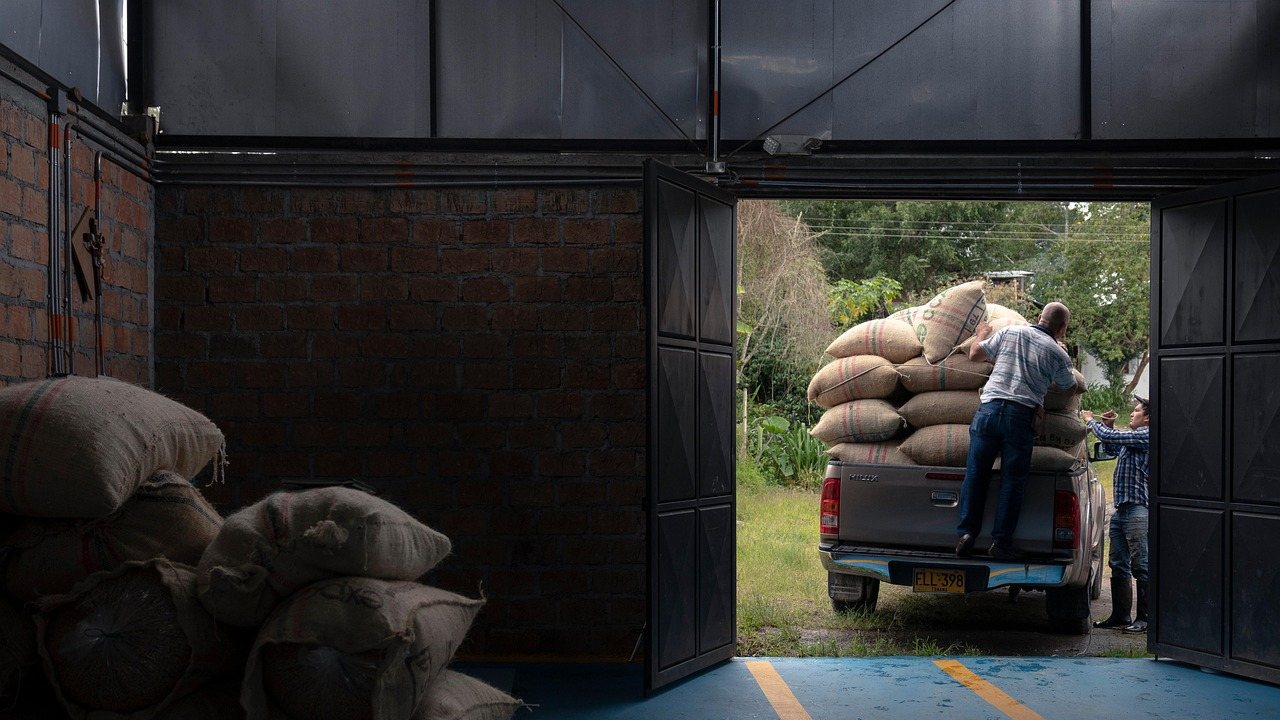
One concrete example: a client that had planned to serve both U.S. and Canadian customers from a single U.S. warehouse was forced to change course when tariffs hit. A second Canadian warehouse was established, with bulk importing into Canada lowering the effective tariff on individual orders. The client now fulfills Canadian orders domestically and U.S. orders from the American facility — a dual-node model that many others are replicating.
Importers are splitting inventory into dual U.S.-Canada warehouse networks to reduce per-order tariff impact on Canadian fulfillment. This is not a boutique tactic anymore. The response has been particularly pronounced among Canadian companies: 68 percent said they had adjusted shipping to and from the U.S., with 55 percent reducing their use of U.S.-based suppliers and 43 percent moving warehouse or processing operations to Canada.
Sourcing Diversification Is Accelerating
Beyond warehousing, sourcing flexibility has become critical — brands heavily reliant on Chinese manufacturing are evaluating alternatives in Vietnam, Turkey, and Bangladesh to reduce tariff exposure. This diversification pressure is coming from two directions at once: U.S. tariffs on Chinese-made goods that raise the cost of products entering the American side, and Canada's own surtax regime that applies to goods marked as U.S.-origin regardless of where they ship from.
Merchants who have already shifted sourcing to Vietnam, Bangladesh, India, or Mexico are at a structural cost advantage over those still primarily sourcing from China. For importers serving both U.S. and Canadian customers, the origin question has become the central cost lever in every procurement decision.
Data Hygiene and Customs Compliance Are Now Competitive Advantages
One of the most underappreciated operational demands of this environment is the accuracy of shipment documentation. Retailers must maintain rigorous data hygiene — including country of origin and product identifiers — because compliance requirements are shifting alongside tariff policy.
AI-assisted customs classification now reaches accuracy rates in the upper 90s, up from roughly 80 percent with earlier machine-learning tools, but human oversight of physical clearance remains essential. Errors in HS classification or country-of-origin declarations are no longer minor inconveniences — with surtax rates at 50 percent, a misclassified shipment can flip a profitable order into a loss in one border crossing.
Companies that understand their true landed costs, alternative sourcing options, and capacity dependencies will be better positioned than those viewing the dispute as a temporary trade-policy issue.
The "Buy Canadian" Effect on Northbound Demand
Beyond tariff mechanics, a softer but meaningful force is suppressing northbound freight volumes. Canadian television is running commercials promoting domestic buying alternatives, which is dampening demand for U.S.-origin goods shipped northbound. Importers are splitting inventory into dual warehouse networks while rising Canadian nationalism and 'buy Canadian' campaigns are suppressing northbound cross-border demand, adding a sentiment risk on top of tariff and compliance pressures.
This is a dynamic that does not show up in tariff schedules but absolutely shows up in freight volume data. Shippers relying on stable northbound demand to underwrite their cross-border logistics costs should factor this shift into their Q4 and 2027 planning.
How ASR Can Help
Navigating the U.S.-Canada tariff environment right now requires more than a carrier relationship — it requires a coordinated strategy covering origin documentation, warehouse positioning, modal flexibility, and customs compliance. ASR WorldWide Express coordinates cross-border freight from the U.S. into Canada and from Canada into the U.S., working alongside trusted licensed customs broker partners to help importers and exporters move goods compliantly and cost-effectively under the current tariff regime. Whether you need to rethink your fulfillment network, evaluate your sourcing origins, or ensure your shipment documentation is ready for heightened CBSA and CBP scrutiny, our team is ready to help.
Call us at +1 786 373 3003 or email shipping@asrwe.com to speak with a specialist about your cross-border freight strategy.
Important Disclaimer
This article is intended for informational purposes only and does not constitute legal, tax, or customs advice. Tariff schedules, surtax rates, product lists, and country-of-origin rules are subject to change without notice. Importers and exporters should consult a licensed customs broker or qualified trade attorney for guidance specific to their products and circumstances.