The Phone Call That Saved Maine Lobster Season
For 48 tense hours this week, the United States seafood industry stared down a 25 percent Canadian retaliatory tariff set to hit lobster, crab, shrimp, and dozens of other fish products on September 8, 2026. Then, late Wednesday night, Canada's Department of Finance reversed course — and a carve-out that could save hundreds of millions of dollars in cross-border trade materialized overnight. The reprieve is real. But it is also narrow. The broader counter-tariff package targeting more than 700 American product lines is still very much alive, and the September 8 clock is running. If your company exports anything to Canada — whether it swims, rolls off a factory floor, or sits in a warehouse — the next eleven days may be the most consequential in your cross-border supply chain all year.
How We Got Here: Section 338 and the Dollar-for-Dollar War
The current standoff traces back to July 20, 2026, when the White House signed three proclamations under Section 338 of the Tariff Act of 1930 — a statute that had sat largely dormant since the 1940s. The proclamations imposed an additional 50 percent ad valorem duty on specific categories of Canadian goods covering dairy, alcoholic beverages, and motor vehicles, along with a wide range of products in their respective annexes including wine, cement, furniture, hockey sticks, plywood, clothing, and sporting goods.
Those 50 percent Section 338 tariffs took effect at 12:01 a.m. Eastern Time on August 22, 2026, after a three-day suspension and a final round of US-Canada trade talks collapsed. Canadian Prime Minister Mark Carney suspended negotiations and recalled Canada's negotiating team the same day. Critically for US importers, USMCA certification provides zero relief here: the Section 338 tariffs apply to covered Canadian goods regardless of whether they qualify as USMCA-originating, which is a sharp departure from earlier tariff actions where a valid certificate of origin could secure an exemption.
Canada Strikes Back: What the September 8 Counter-Tariffs Actually Cover
On August 25, 2026, Canada's Department of Finance published its formal counter-tariff list — a dollar-for-dollar response matching US rates across more than 700 American product lines worth $27.6 billion in US-origin imports. The measures carry three tiers. Steel and aluminum products face 50 percent duties — doubled from the existing 25 percent Canadian counter-tariffs already in place on those goods. Appliances, dairy products such as cheese, and certain steel and aluminum derivative products sit at 25 percent. Electronics and tools land at the lightest tier of 15 percent. Canada also added copper wire and wood charcoal to the covered list on August 27.
For US exporters, the stacking risk is real. Canadian importers purchasing US-origin goods that do not qualify under CUSMA (Canada's name for USMCA) may face both the Most-Favoured-Nation duty rate and the new counter-tariff surtax simultaneously. One practical lifeline: goods already in transit to Canada on September 8, 2026 are exempt from the new countermeasures. That transit window is closing fast.
The Seafood Exemption: What Changed and Why
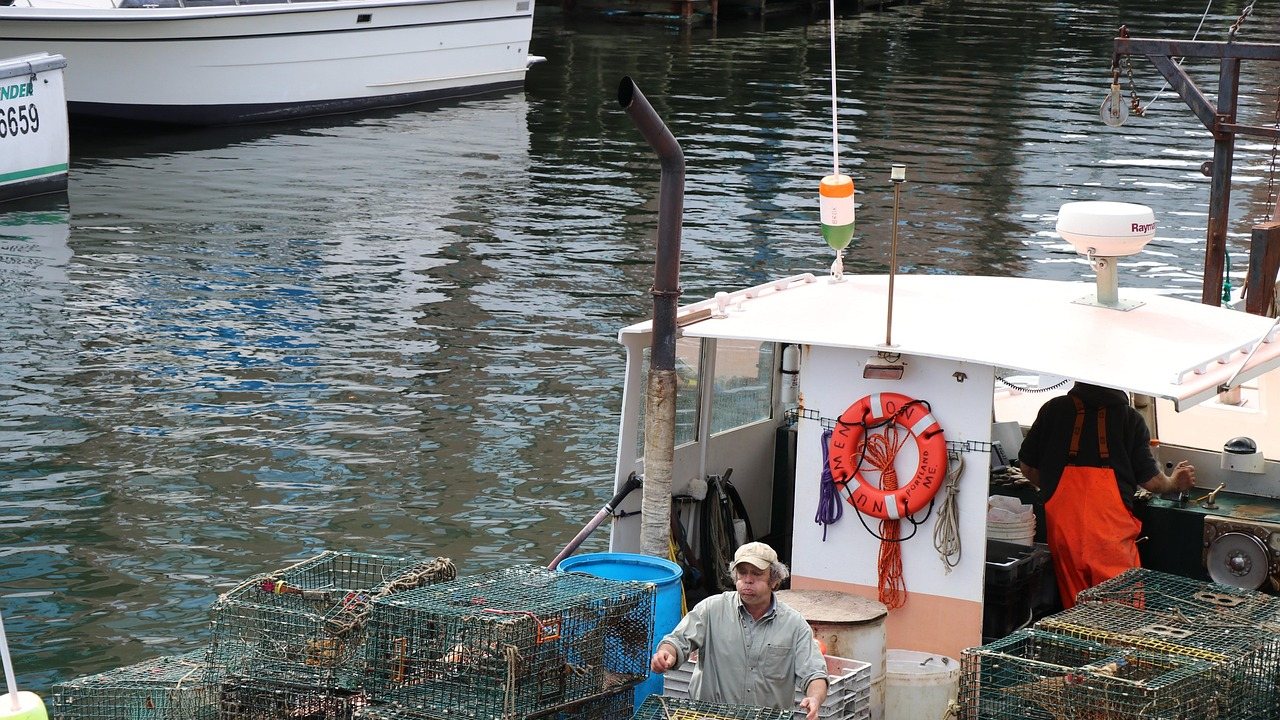
When Canada first announced its counter-tariff list on August 26, US seafood was on it — specifically at a 25 percent rate that would have hit lobster, crab, and other fish products crossing the border into Canada starting September 8. The industry reaction was swift and pointed. The Maine Lobstermen's Association warned that the tariff would be devastating during the critical fall fishing season, noting that Canadian buyers purchase roughly half of the state's lobster catch during that period. The stakes in dollar terms were enormous: the United States exported $881 million in seafood goods to Canada in 2025, with lobster alone accounting for $248 million of that total.
Late Wednesday night, August 27, Canada's Department of Finance posted its reversal on X: seafood and fish products were being removed from the counter-tariff list to protect against broader economic harms. Canadian Finance Minister François-Philippe Champagne confirmed the change came after direct consultation with Canada's fishery industry. The logic was straightforward — a 25 percent Canadian tariff on US lobster would have hurt Canadian seafood processors just as much as American fishermen, since Canadian plants in eastern Canada routinely buy US lobster to supplement domestic supply during off-peak harvest months.
The exemption matters for the roughly 80 percent of Maine's $378 million annual seafood export volume that flows north to Canada. But it is not an invitation to relax. The exemption is administrative, not legislative — Canada's Department of Finance can revise its counter-tariff list again. As the broader trade war continues to evolve, seafood exporters should treat this as a temporary reprieve rather than a permanent guarantee.
What US Exporters Must Verify Before September 8
With eleven days remaining, the immediate priority for any US company exporting to Canada is classification verification. The counter-tariff list runs to hundreds of individual Canadian tariff items. Broad sector descriptions — steel, dairy, appliances, electronics — do not capture the full scope. Canadian importers and their customs broker partners need to cross-reference their specific eight-digit Canadian tariff classifications against the Department of Finance's published list to confirm actual exposure.
Origin documentation is the second pressure point. Canada's counter-tariffs apply to goods originating from the United States as determined by Canada's country-of-origin marking rules. US goods that qualify under CUSMA still benefit from CUSMA treatment for MFN purposes, but CUSMA qualification does not shield a product from the counter-tariff surtax if that product is on the covered list. Having current, complete CUSMA certificates of origin is still essential — it affects the base duty rate calculation even if it does not eliminate the counter-tariff layer.
Pricing and contract review is the third action item. Counter-tariffs at 15, 25, or 50 percent change landed cost calculations materially for Canadian buyers. US exporters with open purchase orders, active supply agreements, or forward contracts should review price adjustment clauses and confirm whether existing contracts address tariff-driven cost changes before the September 8 effective date triggers a dispute.
The Shared Supply Chain Reality
The seafood story illustrates a principle that applies across many US-Canada trade relationships: the two countries are not simply buyer and seller — they are co-processors and co-manufacturers in supply chains that cross the border multiple times before a finished product reaches a consumer. Canada imports approximately $1 billion worth of US seafood annually, with lobster representing about 40 percent of that, in large part because Canadian processing plants buy US-caught lobster to keep their facilities running during periods when domestic Canadian harvests are lower.
A tariff that looks like it targets an American competitor frequently damages a Canadian processor, a Canadian port worker, or a Canadian distributor downstream. That dynamic — repeated across steel, dairy, and manufacturing supply chains — is part of why tariff list management requires constant adjustment and why the seafood carve-out happened as quickly as it did. It also explains why Canada's Department of Finance has indicated it continues to work with Canadian industries to assess the effectiveness of these measures. More adjustments in both directions remain possible before September 8 and after.
How ASR Can Help
ASR WorldWide Express works with US exporters and Canadian importers navigating this fast-moving trade environment every day. Whether you are shipping seafood to Nova Scotia, steel components to Ontario, or electronics to British Columbia, our team coordinates with our trusted licensed customs broker partners on both sides of the border to keep your shipments moving and your compliance documentation current. We help you verify origin documentation, review shipment timing relative to the September 8 effective date, and coordinate in-transit freight strategies where exemptions apply.
If you have Canadian cross-border shipments in your pipeline right now, do not wait. Contact ASR WorldWide Express at +1 786 373 3003 or shipping@asrwe.com. Our team is monitoring the Canada counter-tariff situation in real time and can help you assess your exposure before the September 8 deadline arrives.
Important Disclaimer
This article is informational only and does not constitute legal, tax, or trade compliance advice. Tariff regulations and country-of-origin rules are complex and subject to rapid change; the Canada-US trade situation described here continues to evolve. Importers and exporters should consult a licensed customs broker and qualified trade counsel to evaluate the specific impact on their supply chains and ensure full compliance with all applicable regulations on both sides of the border.