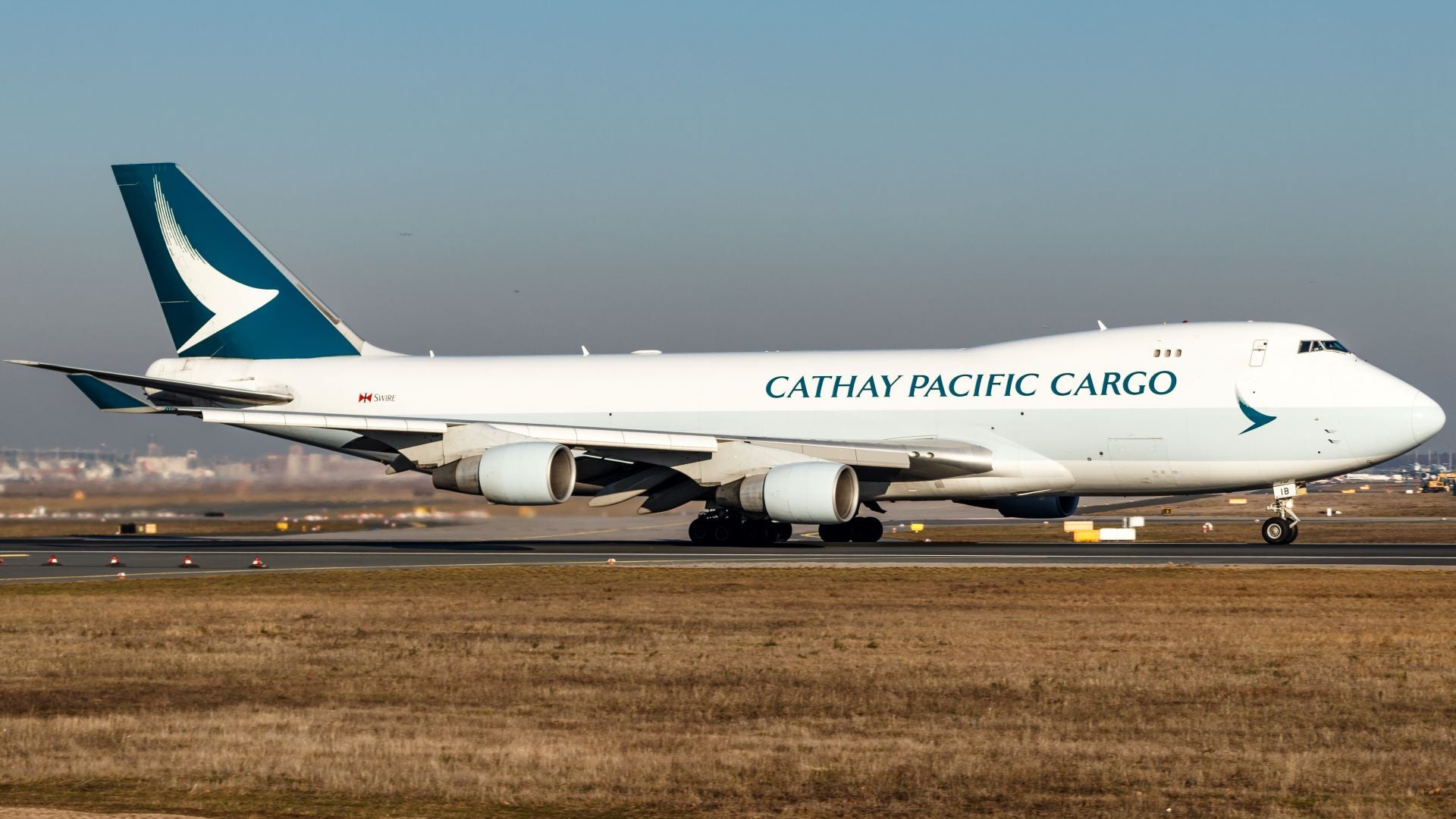
The Asian airfreight market is experiencing mounting pressure on multiple fronts, as reported by Air Cargo News. Capacity constraints, evolving trade patterns driven by geopolitical shifts, and volatile demand are creating a complex operating environment for carriers and forwarders alike.
Capacity under pressure
Belly cargo capacity on passenger flights — which historically carried a significant share of Asian airfreight — has not fully recovered to pre-pandemic patterns on some routes. Meanwhile, dedicated freighter operations are being affected by fleet utilization challenges and route adjustments driven by the Middle East conflict, which has rerouted many services and added flight hours.
The result is a tighter capacity environment, particularly on high-demand lanes connecting Asia to Europe and North America. Airlines are prioritizing higher-yield cargo, which pushes general freight into longer wait times or higher rate brackets.
Trade patterns are shifting
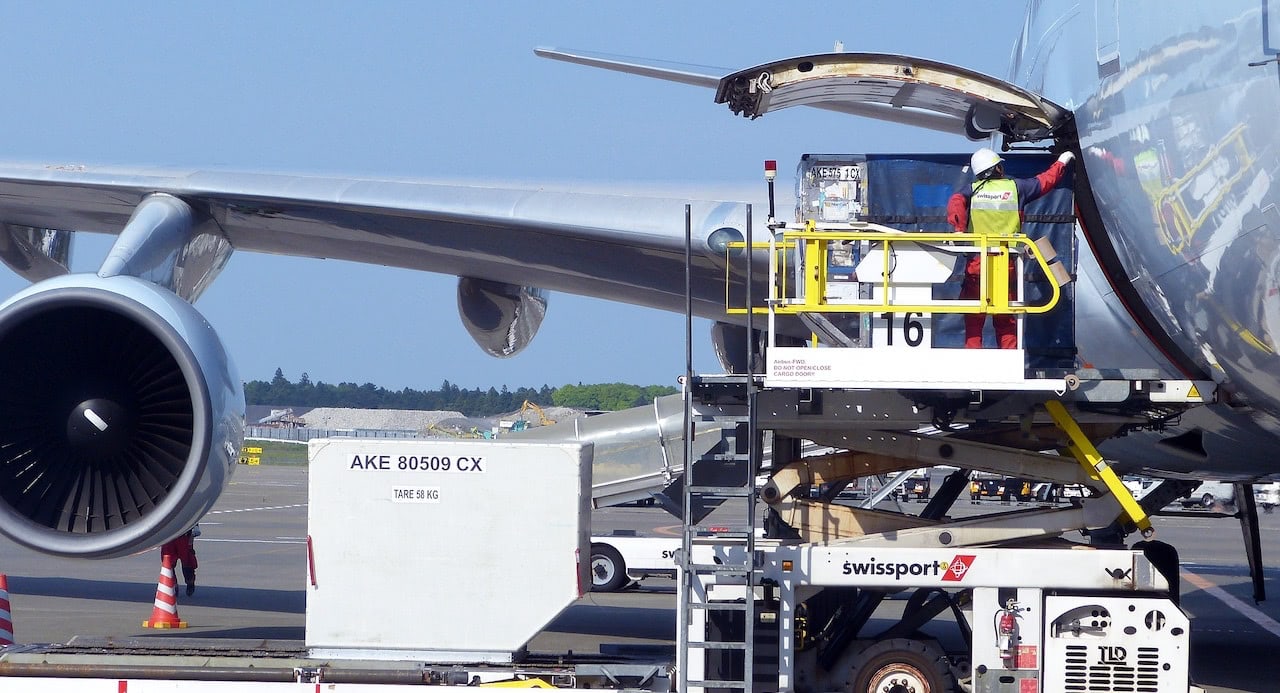
The ongoing diversification of manufacturing away from China — the so-called China Plus One strategy — is redistributing airfreight volumes across Southeast Asia, India, and other emerging manufacturing hubs. Vietnam, India, Bangladesh, and Indonesia are generating increasing volumes, but airport infrastructure and ground handling capacity in these markets has not always kept pace.
This creates a mismatch: new manufacturing volumes concentrated at airports with limited cargo handling capability, while established hubs like Hong Kong and Shanghai see shifting demand profiles.
What this means for shippers
For importers relying on Asian airfreight, the environment demands advance planning and flexibility. Booking lead times should be extended during peak periods. Shippers should consider multi-airport sourcing strategies rather than concentrating all shipments through a single origin gateway.
Rate volatility also argues for working with forwarders who maintain relationships across multiple carriers and can pivot quickly when capacity tightens on a particular lane.
At ASR WorldWide Express, we maintain carrier relationships across Asian gateways and provide real-time rate visibility to help clients make informed decisions. Our air freight services are designed for the speed and reliability that time-sensitive cargo demands.
Contact us at shipping@asrwe.com or +1 786 373 3003 for competitive air freight rates from Asia.