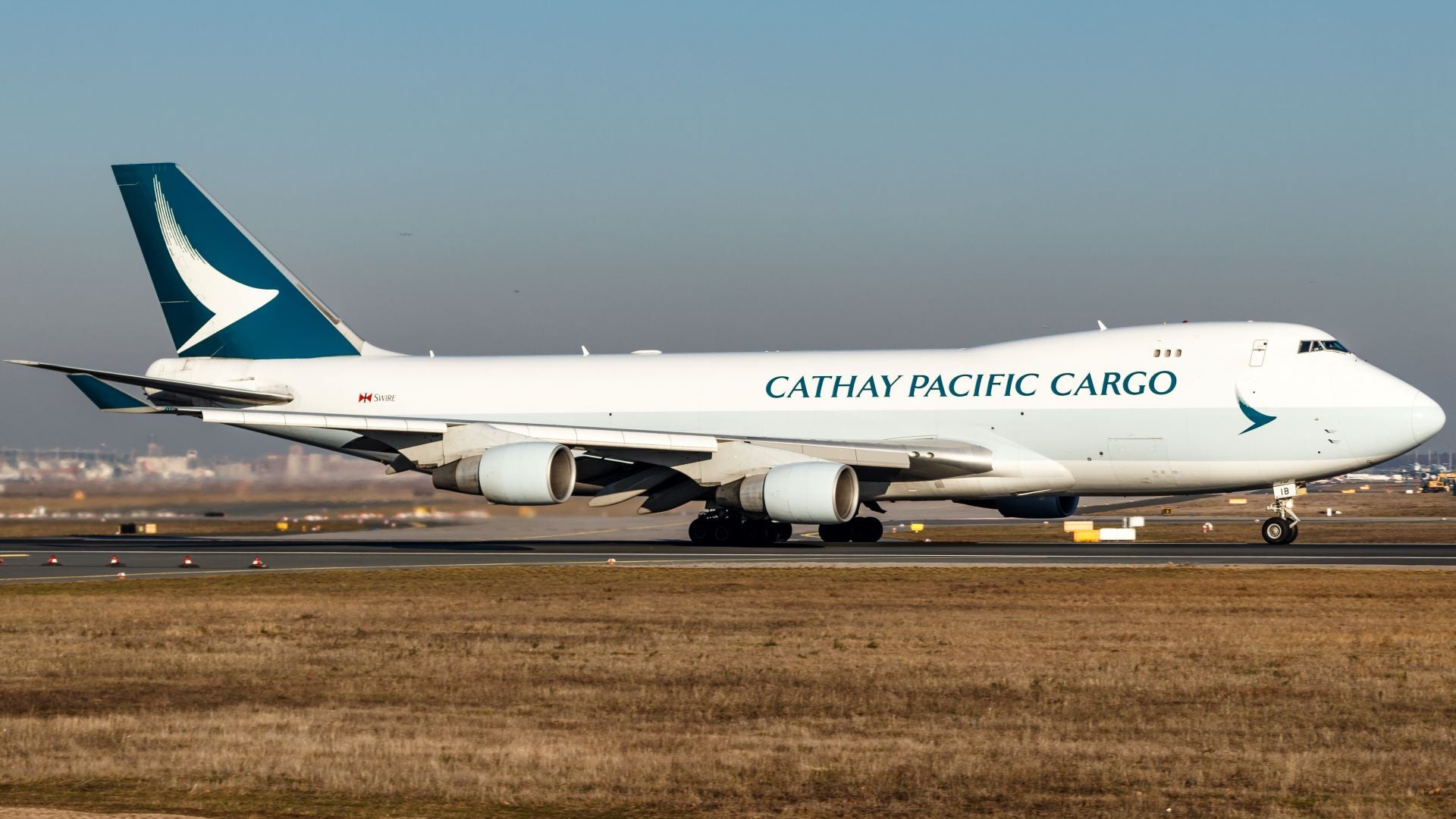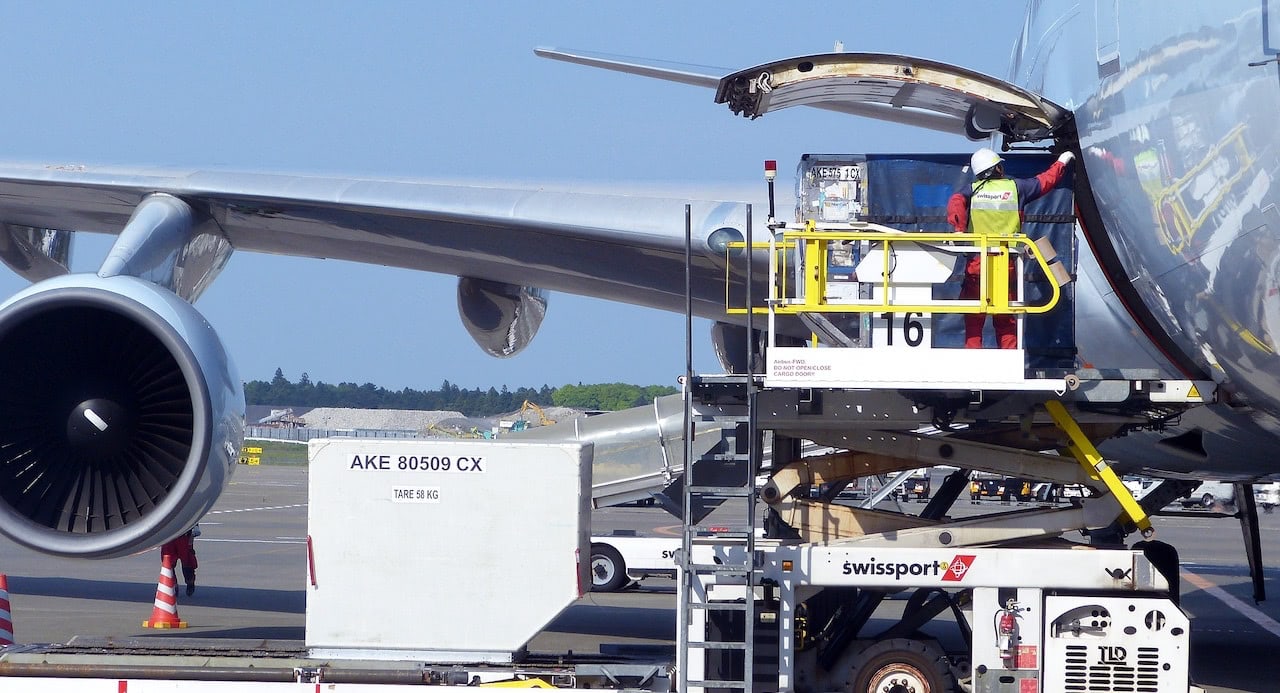
Air cargo capacity is still operating in recovery mode on several key trade lanes as the industry heads into the traditional pre-peak booking season, according to Air Cargo News. While overall available capacity has improved, specific corridors remain constrained due to the compounding effects of geopolitical disruption, fleet adjustments, and shifting demand patterns.
Where capacity is tightest
Lanes connecting Asia to Europe remain the most constrained, driven by the rerouting of flights away from Middle Eastern airspace. The additional flying time reduces the effective capacity each aircraft can offer per week, as crews hit duty-time limits and turnaround schedules stretch.
Asia-to-US lanes are in better shape but are expected to tighten as the peak season approaches. The annual surge in e-commerce and retail inventory shipments from August through November will test available capacity.
What recovery mode means practically
For shippers, recovery mode means the market functions normally most of the time, but has limited ability to absorb demand spikes. A spot market that works fine at 80 percent utilization can become extremely tight and expensive when utilization hits 95 percent during peak periods.
This argues for securing capacity commitments earlier than usual. Shippers who wait until September to book peak-season air cargo may find limited availability and premium pricing.
Planning for peak
Proactive shippers are already having peak-season discussions with their forwarders. This includes confirming volume projections, discussing allocation commitments with carriers, and identifying alternative routing in case primary lanes become constrained.
At ASR WorldWide Express, we help clients plan ahead for peak season with competitive rate locks and capacity commitments across our carrier network. Start your peak planning now — contact us at shipping@asrwe.com or +1 786 373 3003.