The current state of US-China trade
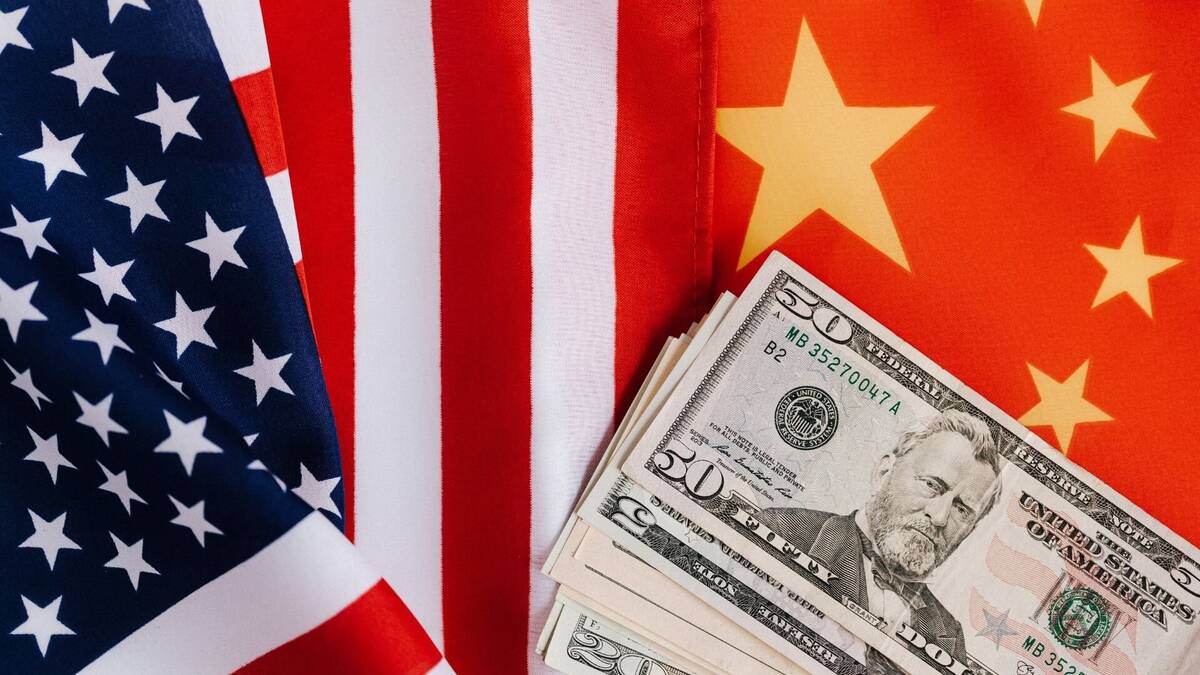
The US-China trade relationship in 2026 remains complex and heavily influenced by layered tariff structures that have accumulated since 2018. Following the Kuala Lumpur Joint Arrangement in November 2025 and the Supreme Court's IEEPA ruling in February 2026, the tariff landscape has shifted significantly but remains elevated compared to pre-trade-war levels.
Understanding the current effective rates is essential for any business importing from China to the United States.
Current tariff structure on Chinese goods
Chinese imports face multiple layers of duties. The base MFN duty rates vary by product classification under the Harmonized Tariff Schedule. Section 301 tariffs add an additional 7.5% to 25% depending on the product list. A 10% reciprocal duty under Executive Order 14358 continues following the Kuala Lumpur agreement. The new Section 122 surcharge adds another 10% globally. A 10% reduction in the 20% fentanyl tariff is active through November 2026.
For many product categories, the combined effective tariff rate on Chinese imports ranges from 27.5% to 45% or higher.
Key product categories affected
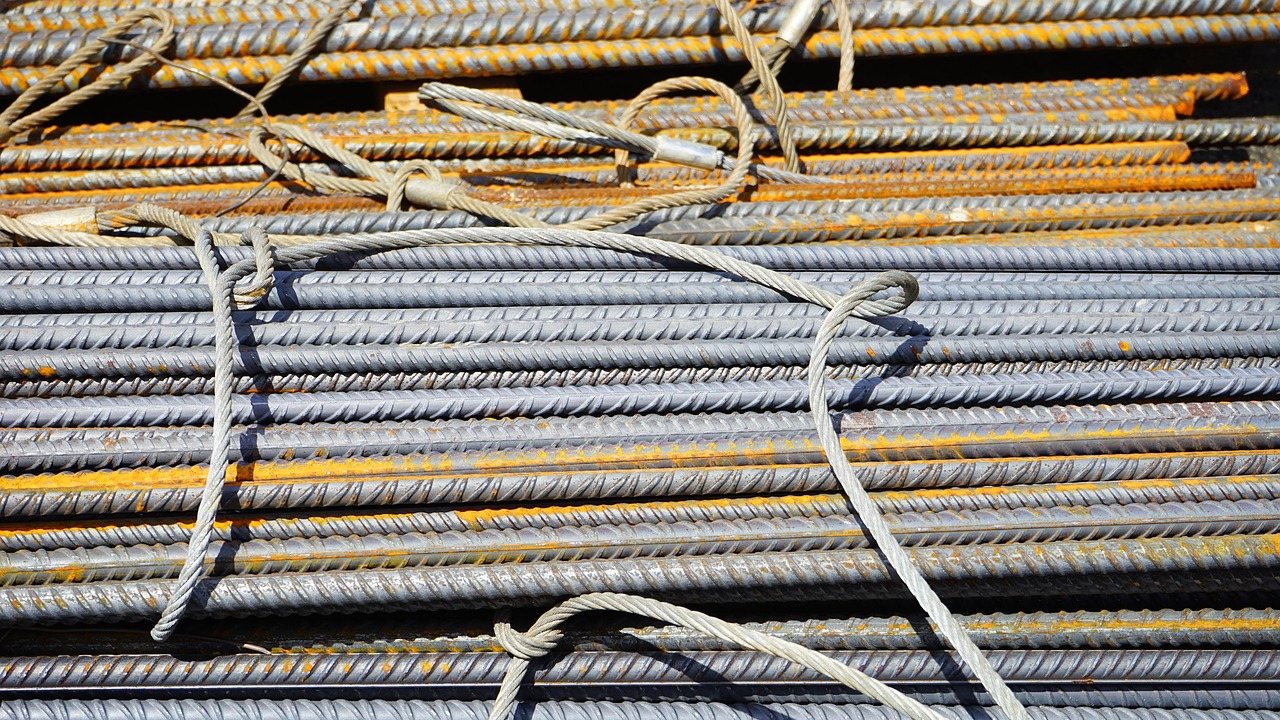
Electronics and semiconductors face a 25% Section 232 tariff on advanced chips and manufacturing equipment since January 2026. Consumer goods including furniture and household items carry Section 301 rates of 7.5% to 25%. Steel and aluminum products face 25% Section 232 tariffs that stack with other duties. Textiles and apparel are subject to varying Section 301 rates plus MFN duties.
The de minimis change
One of the most significant changes for e-commerce and small-volume importers has been the suspension of the de minimis exemption. Previously, shipments valued under $800 entered the US duty-free. Effective August 29, 2025, all US imports regardless of value are subject to applicable duties and tariffs.
This change particularly impacts direct-to-consumer shipments from Chinese e-commerce platforms and has dramatically reduced low-value air cargo volumes from China to the US.
China Plus One: diversifying your supply chain
Many businesses are pursuing what is known as the China Plus One strategy, diversifying manufacturing and sourcing to countries like Vietnam, India, Thailand, Cambodia, and Mexico. While this does not eliminate China from the supply chain, it reduces concentration risk and can lower overall duty exposure.
Key considerations when evaluating alternative sourcing include labor costs and workforce availability, infrastructure and port accessibility, existing trade agreements with the US, lead times compared to Chinese suppliers, and quality control capabilities.
Strategies to reduce your China tariff burden
Several legitimate strategies can help reduce your effective tariff rate. Tariff classification review ensures products are classified under the most favorable HTS codes. First Sale valuation can reduce the dutiable value for goods purchased through intermediaries. Foreign Trade Zone entry can defer or reduce duties. Duty drawback programs provide refunds on duties paid for goods that are subsequently exported. Tariff engineering involves modifying products or sourcing to qualify for lower duty rates.
How ASR helps with China imports
We specialize in helping importers navigate the complex tariff landscape on Chinese goods. Our customs clearance team provides classification optimization, duty mitigation strategies, and ongoing compliance monitoring. Get a free tariff assessment at shipping@asrwe.com or call +1 786 373 3003.