The Export Business That Vanished Overnight
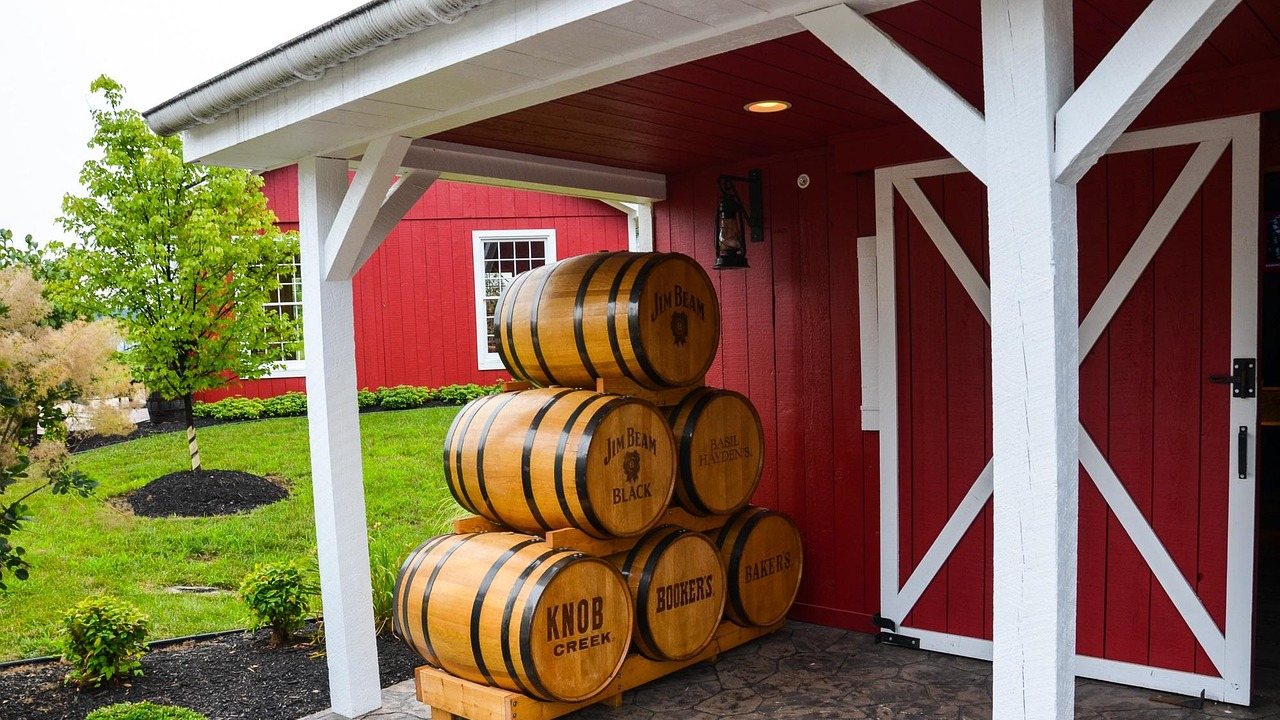
For American wine and spirits producers, the damage from the US-Canada trade war is not abstract—it is measured in cancelled purchase orders, empty pallets, and shuttered export pipelines. US wine exports to Canada declined by 87%, dropping from $456 million to just $60 million, while US spirits exports to Canada fell 70%, from $232 million to $72 million. These are not projections or estimates from an economic model. They are actual trade flows that have already disappeared. And unlike a tariff that can be suspended by executive order overnight, lost shelf space, broken distributor relationships, and newly loyal Canadian consumers of domestic wine do not snap back easily. This article examines what happened, why it matters beyond the beverage aisle, and what US exporters—across multiple industries—should be doing right now.
How the Alcohol War Escalated Step by Step
The collapse of the US alcohol export channel into Canada followed a specific sequence of escalations. In response to US tariffs, most Canadian provinces banned US alcohol in March 2025. Tariffs resulted in bans on United States alcohol in eight of 10 provinces in Canada, typically America's number one export market for wine and craft beer.
When US-Canada trade talks collapsed in late August 2026, the situation worsened rapidly. The US and Canada failed to reach a trade deal to stave off new tariffs by the Trump administration, with the tariffs impacting roughly $20 billion worth of Canadian imports including wine, furniture, dairy products, cement, clothing, and fishing equipment. In response to provincial alcohol bans and other trade issues, President Donald Trump issued a proclamation imposing additional 50% tariffs on targeted Canadian goods such as wine starting August 19. Canada responded in kind. Canada's retaliatory tariffs on a wide array of US goods took effect September 8, with Canada imposing tariffs on CA$27.6 billion worth of US goods including dairy, agricultural equipment, paper, household appliances, and electronics—with US steel, aluminum, iron products, furniture, and clothing hit with the highest rate of 50%.
The final turn of the screw came on September 29, 2026. American wines remained off the shelves in eight Canadian provinces, and the Trump administration then banned imports of Canadian wines and spirits in retaliation. A US ban on bottled Canadian spirits and wine imports took effect September 29, further ratcheting up trade tensions, with many of these products already subject to 50% tariffs imposed in August now no longer allowed across the border at all.
The Scale of the Damage to American Producers
The numbers are extraordinary by any historical measure. US wine exports were hit hardest, plunging from $460 million to just $103 million, while distilled spirits fell from $238 million to $89 million and beer exports from $47 million to $17 million—collectively slashing total US alcohol exports to Canada from $744 million to $208 million, wiping out $536 million in trade.
The Wine Institute estimated US wine exports to Canada fell 78%, with $357 million lost in 2025. Jana McKamey, Oregon Winegrowers Association executive director, called it "the most catastrophic single year trade disruption in the history of US wine exports." Oregon wine exports to Canada alone plummeted 83% to 13,500 cases according to an Oregon Wine Board report.
The spirits side tells the same story. In 2025, US spirits exports declined 3.8% to $2.37 billion, with the downturn primarily driven by a sharp decrease in exports to Canada following the March 2025 ban. Exports to Canada fell 70% year-over-year, from $203 million between March and December in 2024 to just $60 million during the same period in 2025. Excluding Canada entirely, US exports actually rose by 2.5% in 2025, reflecting Canada's disproportionately large impact on the overall decline.
Why Lost Markets Are So Hard to Reclaim
The most alarming aspect of retaliatory trade actions is not the immediate revenue loss—it is the structural rerouting of consumer loyalty and supply chain relationships that occurs while markets are closed. Where many Canadian wine drinkers were regular buyers of Californian wine prior to the ban, Canadian consumers have been discovering wines from Ontario, Quebec, and British Columbia, with a sense that domestic quality may rival what they had been importing. In Ontario, sales in the home market have reportedly grown by about 60% since the start of the ban, while in Quebec growth stands near 40%.
Distributor relationships are equally fragile. As Jeff Guignard, CEO of Wine Growers British Columbia, explained: "For individual businesses that have invested years building relationships with American importers or distributors, restaurants, and customers, the 50% tariff effectively slams the door shut on that market." That dynamic works symmetrically. American producers who relied on Canadian distribution networks have found those relationships paused or severed, and rebuilding them—even after tariffs are eventually removed—takes time and capital that many small producers do not have.
Agricultural Exports Broadly Are Paying the Price
The alcohol story is vivid, but it is part of a larger pattern. A North Dakota State University analysis found that China's retaliatory tariffs slashed US agricultural exports by an estimated $14.9 billion from March 2025 to February 2026. Researchers found soybeans alone accounted for roughly half of the losses at approximately $6.8 billion, while beef and cotton each contributed about $1.3 billion, tree nuts about $964 million, and corn another $333 million.
The report noted that the losses from the latest trade dispute surpassed the damage seen during the 2018–2019 US-China trade war under President Donald Trump's first administration. Lower-margin exports to Asia are also facing difficulties due in part to retaliatory tariffs, making seed, hay, frozen fruits and frozen vegetables uncompetitive in those markets. The lesson is consistent across sectors: when the US imposes broad import tariffs, trading partners retaliate against US exports, and the sectors that bear the retaliatory pain are rarely the same sectors that the original import tariffs were designed to protect.
The Freight and Logistics Reality for US Exporters
For a US exporter whose primary market has just been closed or made uneconomical by retaliatory tariffs, the freight forwarding implications are immediate and complex. Shipments that were moving on established lanes—typically truck or intermodal to Canadian distribution centers in Toronto, Vancouver, or Calgary—must now be redirected or halted. Goods that were mid-transit when bans took effect faced refusal at ports of entry, forcing costly returns or rerouting.
Exporters pivoting to alternative markets face entirely different documentation requirements, labeling standards, phytosanitary certificates for agricultural goods, and customs classification rules. A wine exporter who previously filed standard NAFTA-era documentation for a Canadian customer must now navigate the customs requirements of, say, the European Union, Japan, South Korea, Brazil, or the United Kingdom—each with its own import licensing, duty structure, and compliance regime. Losses in established markets like Canada were partially offset by strong growth elsewhere, with total US spirits exports to the rest of the world rising 13.2% in 2025. That growth did not happen automatically—it required active market development and logistics reconfiguration.
For ocean freight specifically, redirecting from a nearby border-crossing lane to a transatlantic or transpacific move adds significant lead time, cost, and complexity. Temperature-controlled cargo such as wine requires reefer container capacity that must be booked well in advance. Incoterms assignments, export licenses, and the calculation of total landed cost in a new destination country all need to be reassessed before the first shipment is booked.
What US Exporters Should Do Right Now
Exporters in affected sectors—whether wine, spirits, agriculture, consumer goods, or manufacturing inputs—need to take several concrete steps rather than waiting for trade negotiations to resolve the situation.
The first priority is a market diversification audit. Identify which of your existing products have realistic demand in markets outside Canada and China, compare duty rates and import requirements in the UK, EU, Japan, South Korea, Australia, and Latin America, and calculate whether your landed cost in each alternative market allows for competitive pricing.
The second step is supply chain documentation readiness. Every new export market means new paperwork: certificates of origin, commercial invoice formatting requirements, phytosanitary or sanitary certificates for food and beverage products, export licenses where applicable, and accurate HTS/Schedule B classifications. Getting these wrong delays clearance and can result in goods being held or refused at the destination port.
The third step is freight lane planning. Ocean routes to Europe or Asia are longer, more expensive, and more schedule-sensitive than a truck move to Canada. Partnering with an experienced freight forwarder who has established relationships with carriers on those lanes—and who understands the documentation requirements at the destination—shortens the learning curve significantly.
How ASR Can Help
ASR WorldWide Express works with US exporters who are navigating exactly this kind of market disruption. Whether you are a producer looking to redirect existing inventory to a new market, a distributor restructuring your outbound supply chain, or a manufacturer whose agricultural or food inputs are now caught in retaliatory tariff crossfire, we coordinate the full export freight lifecycle—from origin pickup and container booking through export documentation and customs clearance coordination at the destination port through our trusted licensed customs broker partners.
Our team understands the documentation requirements, carrier options, and transit time realities for lanes into Europe, Latin America, and Asia Pacific. If your Canadian or Chinese export channel has been disrupted, we can help you map out alternatives before the next shipment deadline forces an emergency decision.
Call us at +1 786 373 3003 or email shipping@asrwe.com to start a conversation about your export options today.
Important Disclaimer
This article is intended for informational purposes only and does not constitute legal, tax, or customs compliance advice. Tariff classifications, duty rates, export licensing requirements, and trade policy conditions change frequently and vary by product, destination country, and individual business circumstances. Exporters should consult a licensed customs broker, trade attorney, or qualified trade advisor before making sourcing, routing, or compliance decisions based on the information in this article.