Why temperature control matters
Many products require strict temperature maintenance throughout the entire transportation journey. A single temperature excursion can render pharmaceuticals ineffective, spoil perishable food, or damage biological samples. Air freight's speed makes it the preferred mode for temperature-sensitive cargo, but maintaining the cold chain from origin to destination requires specialized handling at every stage.
Types of temperature-controlled cargo
Pharmaceuticals and biologics
Pharmaceutical products have the strictest temperature requirements. Common temperature ranges include controlled room temperature at 15 to 25 degrees Celsius, refrigerated at 2 to 8 degrees Celsius, and frozen at minus 20 degrees Celsius or below. Some advanced biologics and vaccines require ultra-cold chain at minus 70 degrees Celsius.
Perishable food products
Fresh produce, seafood, meat, dairy, and flowers all require temperature-controlled air transport. The challenge is maintaining appropriate temperatures that vary by product type while managing shelf life constraints that demand speed.
Other temperature-sensitive goods
Certain chemicals, cosmetics, live animals, and diagnostic equipment also require temperature-controlled transport.
Cold chain packaging solutions
Active containers are powered units that maintain a set temperature using electric or battery-powered cooling systems. They offer the highest level of temperature control but are expensive and heavy. Passive containers use insulation and phase-change materials such as gel packs or dry ice to maintain temperature without external power. They are lighter and cheaper but have a limited duration of temperature maintenance. Thermal blankets and covers provide basic insulation for palletized cargo that needs protection from extreme temperatures during tarmac handling.
The ground handling challenge
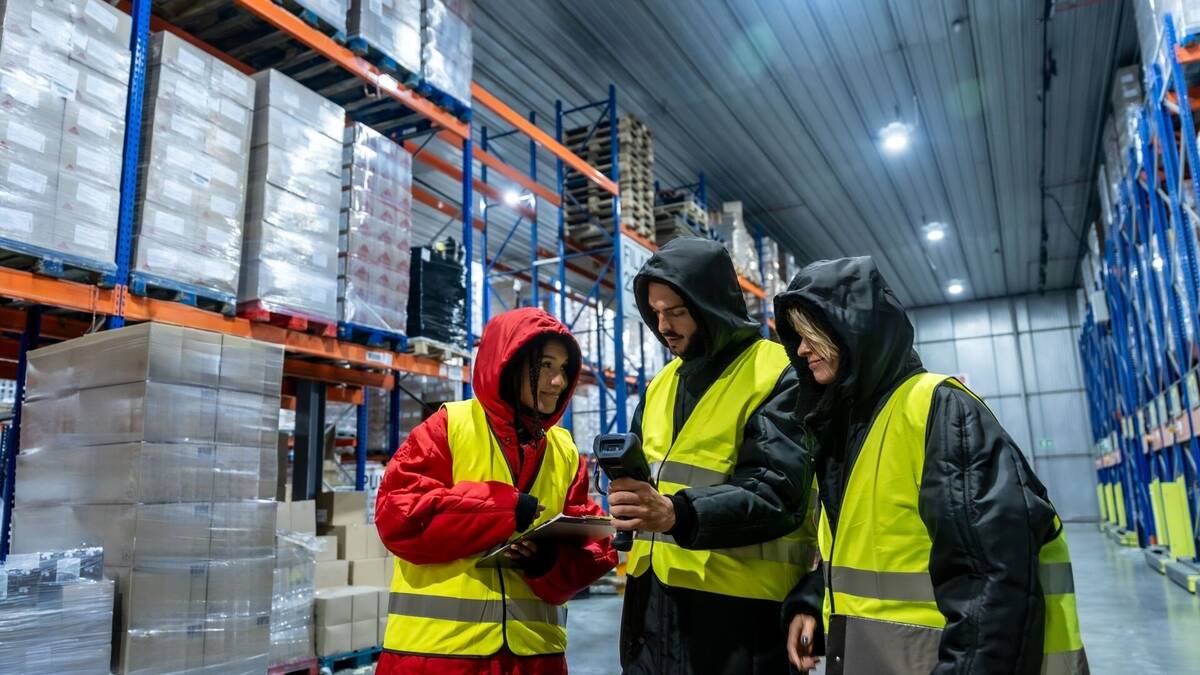
The most vulnerable period for temperature-sensitive air cargo is during ground handling at airports. Cargo may be exposed to ambient temperatures while waiting on the tarmac, moving through warehouse facilities, or transferring between vehicles and aircraft. Leading airports have invested in dedicated cold chain facilities with temperature-controlled storage, dock-level loading, and monitored handoff procedures.
Documentation and compliance
Temperature-controlled shipments require additional documentation including temperature logging device records, shipper's letter of instruction specifying temperature requirements, GDP (Good Distribution Practice) compliance for pharmaceuticals, and phytosanitary certificates for plant products.
ASR cold chain capabilities
We provide temperature-controlled air freight solutions for pharmaceutical, food, and specialty cargo. Our team coordinates every touchpoint from origin cold storage through airline handling to destination delivery, ensuring your cold chain remains unbroken. Contact us at shipping@asrwe.com or +1 786 373 3003.