Section 232 overview
Section 232 of the Trade Expansion Act of 1962 authorizes the President to impose tariffs on imports that threaten national security. Since 2018, Section 232 tariffs of 25% have been applied to steel and 10% to aluminum imports from most countries, with periodic adjustments for specific countries and products.
In January 2026, Section 232 was expanded to cover certain advanced semiconductors and semiconductor manufacturing equipment at a 25% rate, reflecting the administration's view that domestic semiconductor production is critical to national security.
Current Section 232 rates
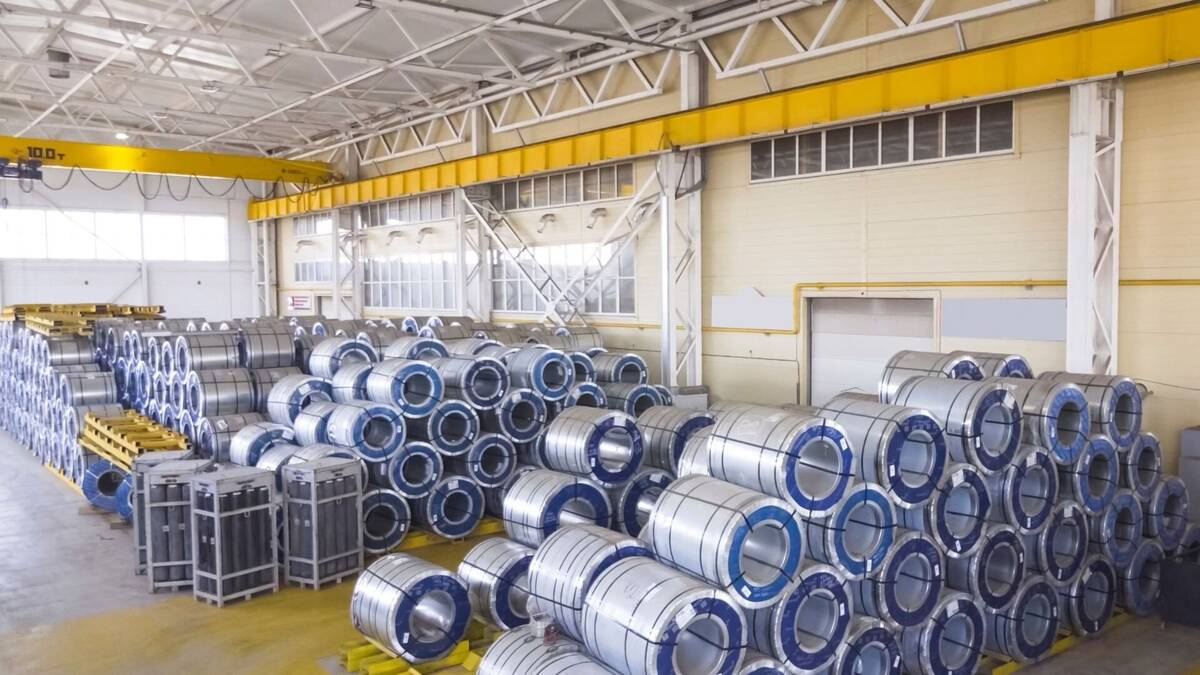
Steel imports face a 25% tariff from most countries. Certain countries have negotiated tariff-rate quotas that allow limited volumes at lower rates. Aluminum imports carry a 10% tariff with similar country-specific quota arrangements. Advanced semiconductors and equipment face a new 25% tariff effective January 15, 2026.
Unlike IEEPA tariffs that were struck down by the Supreme Court, Section 232 tariffs have survived legal challenges and are considered legally durable under existing presidential trade authority.
How Section 232 stacks with other tariffs
Section 232 tariffs stack on top of base MFN duty rates. For Chinese steel, this means the base MFN rate plus 25% Section 232 plus any applicable Section 301 tariffs plus the 10% Section 122 surcharge. The combined rate can exceed 50% for certain steel products from China.
However, Section 232 tariffs generally do not stack with reciprocal tariffs on the same product. The higher rate applies.
Exclusion process
An exclusion process allows importers to request relief from Section 232 tariffs for specific products that are not available from domestic sources in sufficient quantity or quality. The exclusion application is filed through the Bureau of Industry and Security and requires demonstrating that domestic production cannot meet the importer's needs.
Approved exclusions are typically granted for one year and specify a maximum quantity. The process can take several months, so plan ahead if you believe your products qualify.
Cost management strategies
Source from countries with tariff-rate quotas that may allow lower-rate or duty-free imports up to certain volumes. Apply for product exclusions where domestic alternatives are unavailable. Consider using Foreign Trade Zones where Section 232 tariffs may be reduced through inverted tariff treatment. Explore domestic sourcing alternatives that may now be cost-competitive given the 25% tariff on imports.
ASR customs guidance on metals
Our customs team helps importers of steel, aluminum, and semiconductor products navigate Section 232 requirements, exclusion applications, and duty optimization strategies. Contact us at shipping@asrwe.com or +1 786 373 3003.