The Aisle Is Getting Shorter
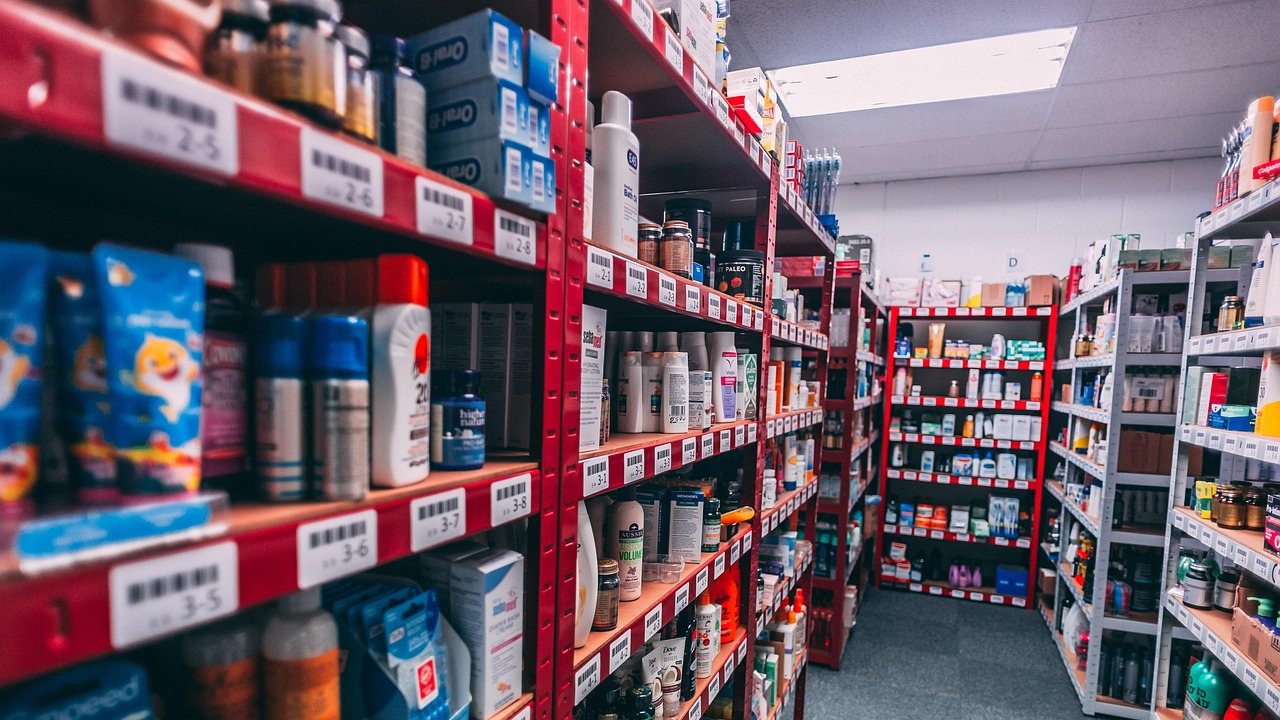
Walk into a major US retailer today and you may notice something different: fewer choices. That favorite flavor, color variant, or product size may simply be gone. This is not a supply-chain disruption in the traditional sense. It is a deliberate strategy. As tariffs raise costs for brands and retailers, many are embracing SKU rationalization — cutting underperforming items to rein in expenses and protect margins. The trend is accelerating rapidly in 2026, and for importers, freight forwarders, and anyone who moves goods across borders, the ripple effects are profound.
Why Product Variety Is Now a Cost Liability
For decades, US retail operated on a philosophy of abundance. Bigger assortments meant more consumer choice, stronger shelf presence, and higher revenues. Tariffs have upended that equation.
The 2025–2026 tariff environment has made this especially urgent. Take a SKU that landed at $12 in cost of goods and retailed at $35, giving a 66% gross margin. Add a 25% tariff and that cost of goods moves to $15 — same retail price, same channel fees, and gross margin falls from 66% to 57%. Multiply that squeeze across hundreds or thousands of product lines and the math becomes impossible to ignore.
SKU proliferation is one of the most underestimated cost drivers in modern supply chains. A focused analysis of which products actually contribute meaningful margin almost always identifies a long tail of variants that drain working capital, forecasting accuracy, warehouse capacity, supplier focus, and packaging spend — without delivering proportional revenue.
SKU rationalization can lift operating margin 4 to 7 points and unlock significant working capital. Roughly 20 percent of SKUs drive 80 percent of profit, while the rest either contribute marginally or destroy value.
Who Is Cutting and What Is Being Cut
The SKU rationalization wave is visible across virtually every retail category.
Levi Strauss is cutting SKUs — even as it expands into new categories — to offset tariff costs and focus on full-price sales. Hasbro said earlier this year it was undergoing "a significant amount of SKU reduction" and shifting sourcing from China to India, though that strategy may now face risk amid the Trump administration's threat of new duties on Indian imports. Beyond Inc.'s Bed Bath and Beyond is narrowing its assortment to replicate its legacy in-store experience online, a sharp turn from the broad assortment it touted at launch.
At the most extreme end, some companies are exiting the US market entirely. Swedish children's brand Polarn O. Pyret will shutter its US operations entirely by year's end. Tariffs on its outerwear, most of which is produced in China, and a weaker dollar have made importing from Sweden unsustainable.
Fewer choices on the shelf can frustrate consumers — especially when favorite products disappear. That could drive shoppers to switch retailers or trade down to private labels, creating a potential win for merchants with strong store brands.
The Numbers Behind the Squeeze
The scale of the pressure is significant. Three-quarters of retail supply chain leaders say tariff turbulence is redefining their 2026 strategies, prompting a widespread pivot toward regionalization and supplier diversification.
According to Netstock's 2026 Tariff Impact Report, the share of small and midsize businesses passing tariff costs directly to customers jumped to 82%, up from just 44% who absorbed those costs internally in 2025. More than half of surveyed businesses now say the tariff impact on their supply chain is greater than it was twelve months ago, and one in five describes that impact as much greater.
A survey found that 43% of companies paused or delayed a major product launch within the past 90 days due to tariff-related uncertainty. When companies choose not to launch a new SKU, the downstream effects — lost freight volume, fewer customs entries, and reduced warehousing demand — are felt all the way through the logistics chain.
A separate Fortune and Deloitte CEO survey found that 80% of leaders planned to implement cost-cutting measures specifically to offset tariff-related increases. SKU reduction is one of the fastest and most direct levers available.
Sourcing Shifts That Follow Assortment Cuts
Assortment simplification rarely happens in isolation. When a retailer eliminates SKUs sourced from a high-tariff country, it typically reshuffles its entire sourcing map at the same time.
To mitigate risk, 77% of supply chain leaders have already shifted sourcing away from China toward tariff-neutral countries, and 87% are increasing buffer inventory to hedge against volatility. 93% are now prioritizing diversification within Asia to reduce tariff exposure, and many are replacing single-country dependency with layered sourcing networks that blend domestic, nearshore, and diversified sourcing models.
These shifts create a new set of logistics challenges. A retailer that once consolidated ten product lines from a single Chinese factory into one FCL shipment may now be sourcing from three countries — Vietnam, India, and Mexico — requiring separate freight lanes, separate customs entries, separate compliance documentation, and tighter coordination across a more fragmented supplier base. What was once one customs entry can easily become six.
Retailers are also turning to older customs tools to manage the tariff burden. Retailers, along with other businesses, have adapted to trade volatility over the past year by utilizing a decades-old customs rule that can help minimize tariff costs. More businesses have increasingly leveraged what is commonly known as the "First Sale rule" as part of their mitigation toolkit. In select cases, the First Sale rule allows importers operating in a tiered supply chain — where middlemen are involved — to pay duties based on the price paid in the first or earlier sale of the good.
What This Means for Freight Volumes
SKU rationalization reshapes freight patterns in ways that are not always obvious.
On the surface, fewer SKUs might suggest lower import volumes. In practice, the picture is more nuanced. Retailers eliminating low-volume specialty SKUs are often replacing them with higher-velocity core products that ship in greater quantities, consolidating volume onto fewer lanes. This can actually increase FCL utilization and improve the economics of direct-port shipments. However, the transition period — while suppliers are being qualified and contracts are being renegotiated — tends to create short-term freight volatility.
Landed costs can change overnight, supplier networks that took years to build are being reassessed in months, and the organizations absorbing this best are the ones that already had real-time visibility into their networks before the disruption hit.
For LCL shippers, the impact is more direct. Specialty and niche SKUs that moved in smaller consolidated shipments simply stop moving. This reduces LCL cargo pools and can put upward pressure on rates for remaining LCL traffic.
The loss of Section 321 de minimis exemptions is also creating upheaval, raising landed costs for small parcels and pushing brands to revisit cross-border ecommerce strategies and fulfillment models. E-commerce brands that relied on high-SKU-count, direct-to-consumer shipments from overseas are particularly exposed.
How ASR Can Help
Navigating the freight and compliance complexity that comes with assortment restructuring and sourcing shifts is not straightforward. When your sourcing map expands from one country to five, every new lane brings new Harmonized Tariff Schedule classifications to verify, new certificates of origin to manage, new FSIS or CPSC requirements to confirm, and new carrier relationships to establish — all while your operations team is still running the existing business.
ASR WorldWide Express specializes in exactly this kind of transition. As a licensed freight forwarder (FMCSA MC# 1667345-B, DOT# 4286843, SCAC AZCB) based in Miami, we coordinate ocean and air freight, oversee customs clearance through our trusted licensed customs broker partners, and help importers build freight strategies that hold up under tariff pressure. Whether you are consolidating shipments from a simplified SKU list, opening new origin lanes in Southeast Asia, or simply trying to understand what your new total landed cost looks like after assortment changes, our team can help you build a plan.
Call us at +1 786 373 3003 or email shipping@asrwe.com to speak with a freight specialist today.
Important Disclaimer
This article is intended for informational purposes only and does not constitute legal, tax, or trade compliance advice. Tariff classifications, duty rates, and regulatory requirements change frequently and vary by product, country of origin, and specific trade circumstances. Importers should consult a licensed customs broker and qualified legal or trade counsel before making sourcing, classification, or compliance decisions based on any information contained here.