Why ports get congested
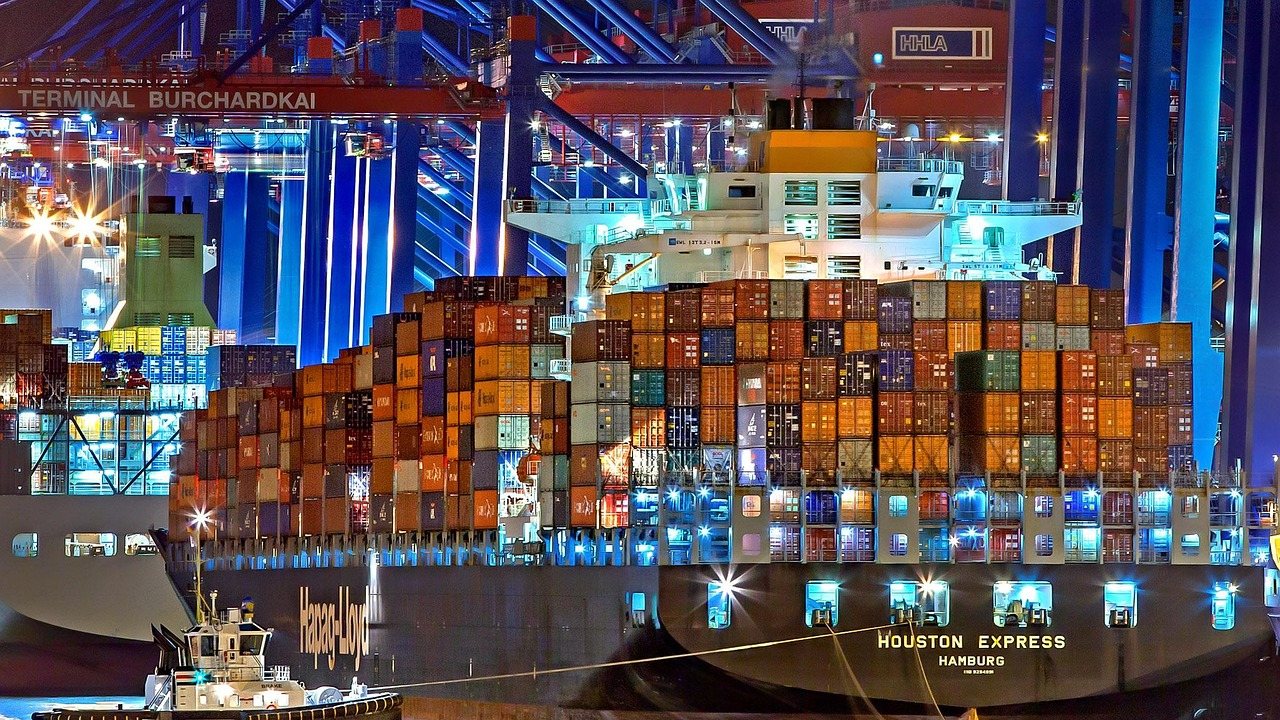
Port congestion occurs when the volume of cargo arriving exceeds the port's capacity to process it efficiently. In 2026, several factors contribute to congestion at key global ports.
The potential return of vessels to the Suez Canal threatens to create simultaneous arrivals at European ports as ships from both the Cape route and Suez route converge. Carrier alliance restructuring has changed vessel calling patterns, concentrating volume at hub ports while reducing direct calls at secondary ports. Labor shortages and productivity challenges at certain terminals limit the rate at which containers can be discharged and moved. Chassis and equipment shortages restrict how quickly containers can leave the port area.
Current congestion hotspots
In North America, the ports of Los Angeles and Long Beach periodically experience congestion driven by transpacific volume surges. East Coast ports including Savannah and New York/New Jersey have seen increased traffic as shippers diversify away from West Coast concentration.
In Europe, Rotterdam, Hamburg, and Antwerp are vulnerable to congestion if Suez Canal returns create simultaneous vessel arrivals. Asian ports including Shanghai and Singapore face periodic congestion from blank sailing patterns that bunch vessel arrivals.
How congestion affects shippers
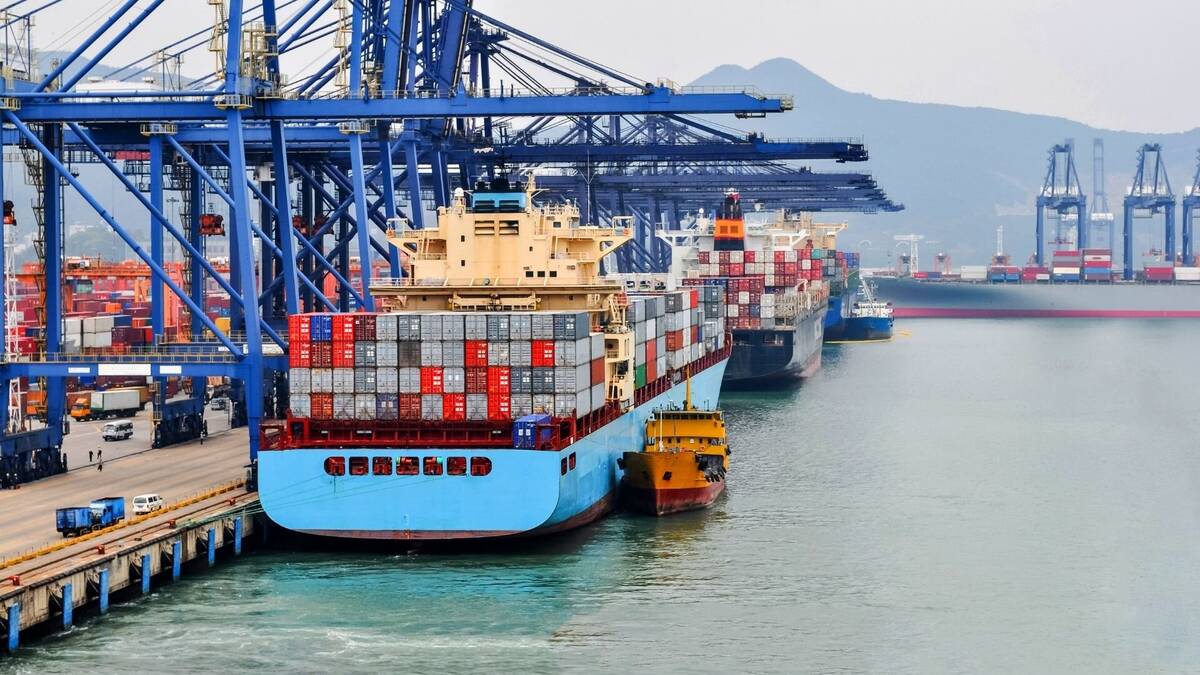
Direct impacts include berthing delays where vessels wait at anchor for days before unloading, extended container dwell times that trigger demurrage charges, truck turn times that increase from hours to half-days at congested terminals, and vessel schedule disruptions that cascade across subsequent port calls.
Strategies to minimize congestion impact
Diversify your port of entry rather than routing all cargo through a single gateway. Consider inland ports and intermodal solutions that bypass congested coastal terminals. File customs documentation early so your container is cleared before you attempt pickup. Schedule drayage during off-peak hours when terminal wait times are shorter. Build buffer time into your supply chain to absorb potential delays. Monitor port conditions through your freight forwarder.
ASR port intelligence
Our operations team monitors conditions at major ports and adjusts routing recommendations when congestion threatens delays. We help clients identify alternative port options and optimize their inland logistics to avoid congestion bottlenecks. Contact us at shipping@asrwe.com or +1 786 373 3003.