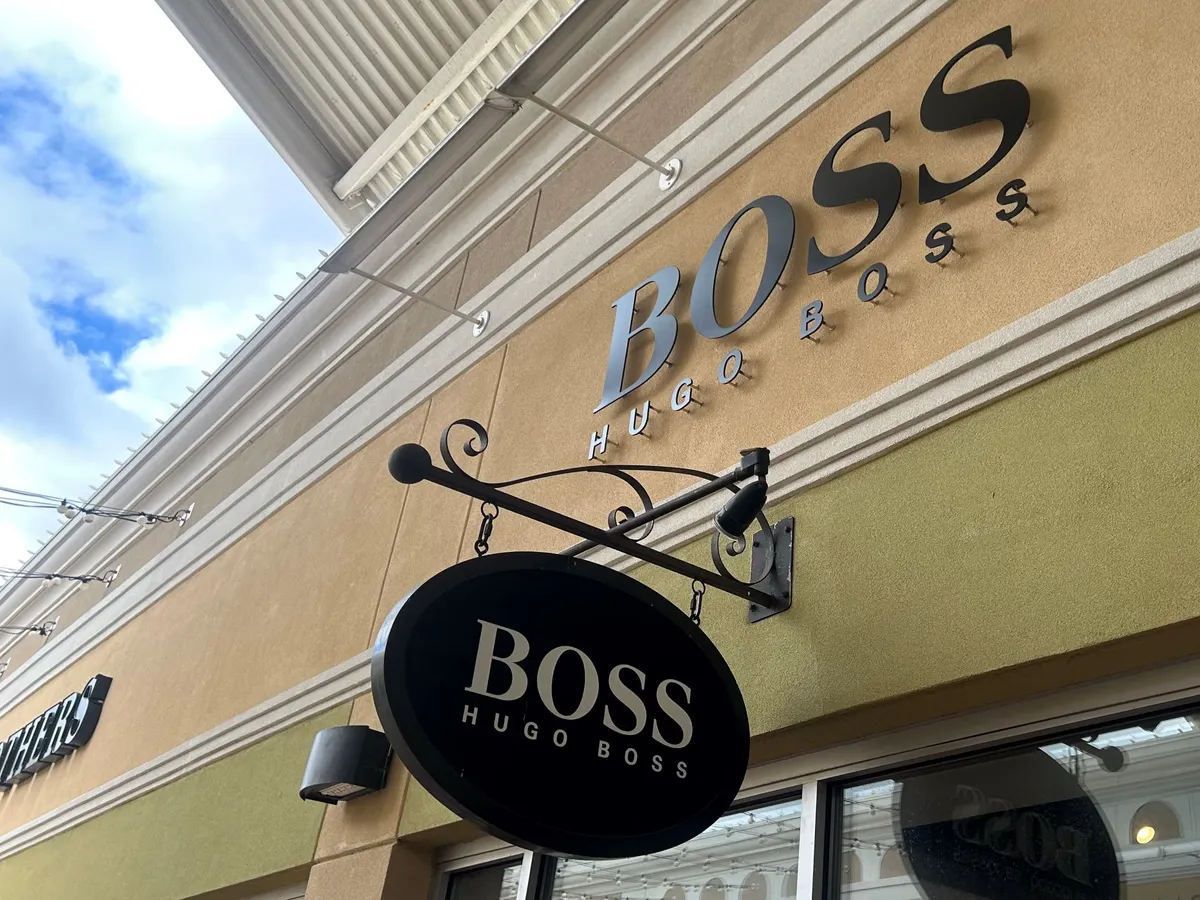
Hugo Boss is actively working to reduce its dependence on airfreight by restructuring its sourcing and logistics operations, as reported by Air Cargo News. The fashion company joins a growing number of global brands that are re-evaluating their modal mix in response to cost pressures and sustainability commitments.
Why brands are shifting away from air
Airfreight costs 5-10 times more than ocean freight on a per-kilogram basis. For fashion companies shipping large volumes of apparel and accessories, the cost differential is substantial. When supply chain disruptions forced many brands to rely heavily on airfreight to meet seasonal deadlines during 2020-2023, the financial impact was significant.
Now, with supply chains stabilizing, brands like Hugo Boss are investing in better planning and earlier production timelines that allow ocean freight to replace airfreight for the majority of their volume.
The planning challenge
Fashion logistics is notoriously difficult. Seasonal collections have fixed retail launch dates that cannot be moved. When production runs late or demand forecasts change, airfreight becomes the only option to meet deadlines.
Reducing airfreight reliance requires moving the entire planning cycle earlier — committing to designs, placing production orders, and beginning manufacturing weeks or months sooner than current practice. It also requires more accurate demand forecasting to reduce the last-minute scrambles that drive airfreight usage.
Sustainability angle
Beyond cost, sustainability is increasingly driving modal shift decisions. Airfreight generates roughly 50 times more CO2 per ton-kilometer than ocean freight. For brands with public sustainability commitments, reducing airfreight usage is one of the most impactful steps they can take.
Several major retailers and fashion brands have set targets to reduce airfreight as a percentage of total freight volume, with some aiming for single-digit percentages by 2027.
What this means for the air cargo market
If the trend continues, dedicated fashion-related airfreight volumes could decline over time, particularly on lanes serving major sourcing hubs in Asia. However, the shift will be gradual — airfreight will remain essential for time-critical replenishment, sample shipments, and emergency orders.
At ASR WorldWide Express, we help brands optimize their modal mix — using ocean for bulk seasonal shipments and reserving airfreight for time-critical needs. Our multi-modal approach reduces costs while maintaining delivery reliability. Contact us at shipping@asrwe.com or +1 786 373 3003.