What is the Harmonized System?
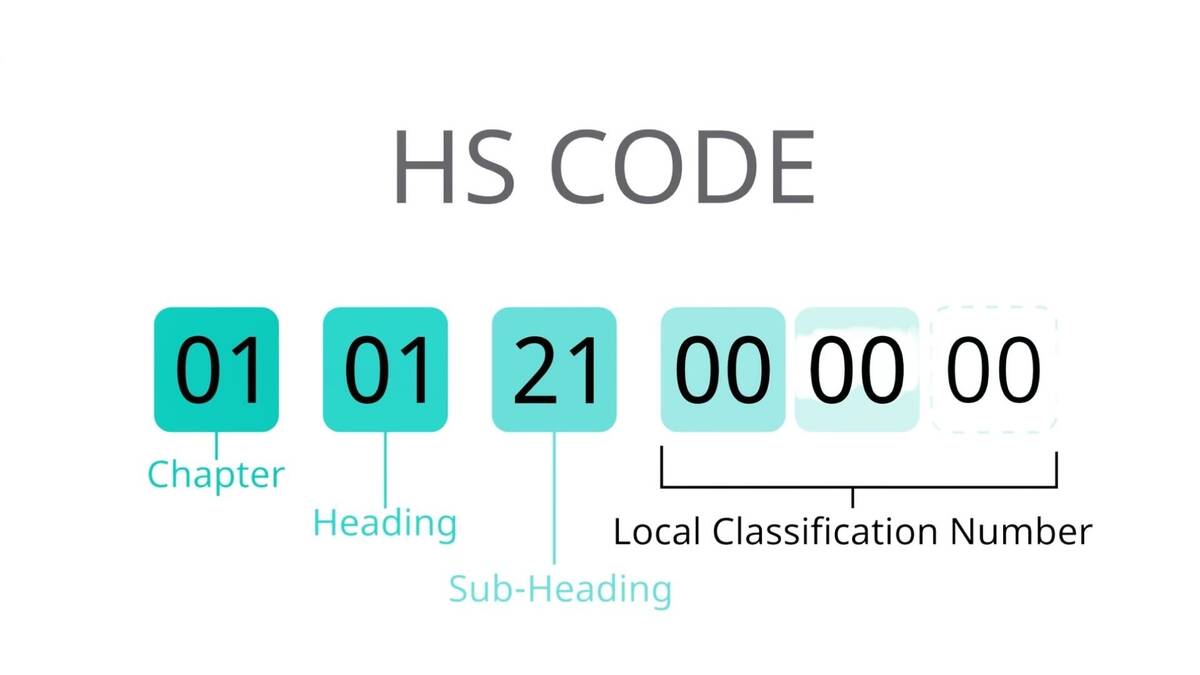
The Harmonized System is an international standardized system of names and numbers used to classify traded products. Maintained by the World Customs Organization, it is used by more than 200 countries and covers over 98% of international trade.
In the United States, the system is expanded into the Harmonized Tariff Schedule (HTS), which uses 10-digit codes to classify every product imported into the country. The first six digits are internationally standardized, while digits 7 through 10 are US-specific and determine the exact duty rate.
Why classification matters
Your HTS classification directly determines how much duty you pay. A misclassification can result in overpayment where you pay higher duties than necessary, underpayment which triggers penalties, interest, and potential audits, cargo delays when CBP questions your declared classification, and forced labor screening flags if your product falls into a UFLPA-sensitive category.
The difference between two similar-sounding classifications can mean a duty rate of 0% versus 25% on the same product.
How HTS codes are structured
HTS codes follow a hierarchical structure. Chapters 1 through 97 represent the broadest product categories such as Chapter 84 for machinery and Chapter 61 for knitted apparel. Headings are four-digit codes within each chapter that narrow the product category. Subheadings are six-digit codes that provide more specific product descriptions. US-specific codes extend to 8 or 10 digits and determine the exact duty rate.
For example, a laptop computer is classified under Chapter 84 (nuclear reactors, boilers, machinery), Heading 8471 (automatic data-processing machines), Subheading 8471.30 (portable digital computers weighing not more than 10 kg), with a US-specific rate that is currently duty-free under the Information Technology Agreement.
How to find the right code
Start by describing your product in detail including its material composition, function, intended use, and how it is packaged. Search the USITC HTS database at hts.usitc.gov using keywords. Review the General Rules of Interpretation that govern how products should be classified. Consider consulting with a customs broker for complex or high-value products where classification uncertainty exists.
General Rules of Interpretation
Six rules govern HTS classification. Rule 1 states that classification is determined first by the terms of the headings and section and chapter notes. Rule 2 extends classifications to include incomplete or unfinished articles. Rule 3 provides methods for classifying goods that could fall under multiple headings, using the most specific description, essential character, or last numerical position. Rules 4 through 6 address less common situations.
Common classification mistakes
Classifying by intended use rather than actual composition or function leads to errors. Using a supplier's suggested classification without independent verification is risky. Failing to update classifications when product specifications change causes compliance gaps. Not considering how product sets or kits should be classified as a whole versus individual components creates exposure.
Get a classification review from ASR
Our customs team provides detailed classification reviews that ensure accuracy and identify opportunities for duty savings. A classification review can sometimes reveal that your products qualify for a lower duty rate than you have been paying. Contact us at shipping@asrwe.com or call +1 786 373 3003 for a review.