The Vote That Could Reshape Your Supply Chain
On October 25, Brazil goes back to the polls in a runoff that carries consequences far beyond Latin America. Brazil's next president will have to navigate tensions between its first- and second-largest trading partners — China and the US — while shaping strategies on mineral development, industrialization, and regional cooperation. For US importers, the stakes are immediate and concrete: a 25% Section 301 tariff already sits on most Brazilian goods, bilateral trade negotiations are at a delicate early stage, and the world's second-largest rare earth reserves hang in the balance.
How the First Round Unfolded
Brazilians voted in the first round of the country's general election on October 4, and the race failed to see any candidate secure more than 50 percent of the vote. Senator Flávio Bolsonaro, son of former President Jair Bolsonaro, won 47 percent of the vote, while incumbent Luiz Inácio Lula da Silva won 45 percent. The winner takes office on January 5, 2027. The margin is close enough that either candidate can plausibly win the runoff, and the trade policy implications of each outcome are meaningfully different.
The 25% Section 301 Tariff Already in Effect
The bilateral backdrop is already charged. On July 15, 2026, USTR finalized a Section 301 action against Brazil and announced a 25% additional tariff on most Brazilian-origin imports effective July 22, 2026. USTR imposed the Section 301 tariffs in response to Brazil's acts, policies, and practices involving digital trade and electronic payment services, unfair or preferential tariff treatment, anti-corruption enforcement, intellectual property protection, ethanol market access, and illegal deforestation.
Exclusions include certain pharmaceutical products and ingredients, selected industrial raw materials, aluminum hydroxide, pig iron, certain scrap materials, organic honey, unflavored instant coffee, certain seafood and wood products, used clothing, antiques, artwork, donations, and informational materials. Beyond the Section 301 layer, Washington also announced 12.5% tariffs linked to allegations of lax enforcement of forced labor bans. Importers sourcing from Brazil should verify their HTS classifications carefully to determine whether any exemptions apply before assuming the full 25% duty rate.
A Working Group, But No Deal Yet
In late September, both governments took a step toward de-escalation. Brazil and the US established a working group to discuss issues related to a potential agreement on trade, after a meeting between officials from both countries. According to the statement, the US will submit a proposal in the coming weeks setting out the scope of negotiations, including tariff and nontariff issues.
Brazil's Minister of Development, Industry, Trade and Services Márcio Elias Rosa met with US Trade Representative Jamieson Greer on September 30 on the sidelines of the G20 trade ministers' meeting in Milwaukee, demanding a "comprehensive reduction of tariffs" including steel and aluminum duties and the 25% tariff imposed under Section 301. The two governments agreed to create a forum for discussing whether a broader commercial agreement is possible. They did not announce negotiated tariff schedules, market-access commitments, a timetable for completing an accord, or a signed legal text. Importers should treat the working group as a signal of intent, not a signal to stop planning for current tariff levels.
What Each Candidate Means for Trade
The two candidates represent genuinely different foreign policy orientations, though experts caution against assuming the differences will be absolute. Lula has emphasized Brazil's sovereignty, multilateralism, and closer ties with the Global South, including the BRICS bloc. Experts say his negotiations with Washington have had mixed progress, and a Congress dominated by right-wing parties could pressure him to change course and make concessions on natural resources.
Flávio Bolsonaro has a friendly relationship with the Trump administration, and experts say his presidency could bring foreign policy more aligned with the US. That relationship could create a more favorable negotiating environment, but experts say he could face pressure over concessions on strategic minerals and Brazil's autonomy.
Experts say that regardless of who wins the election, the next president is likely to maintain ties with both major powers, largely out of economic necessity. That means the working group is likely to survive the runoff regardless of outcome — though the pace and generosity of any eventual deal could shift considerably.
Critical Minerals: The Bigger Prize
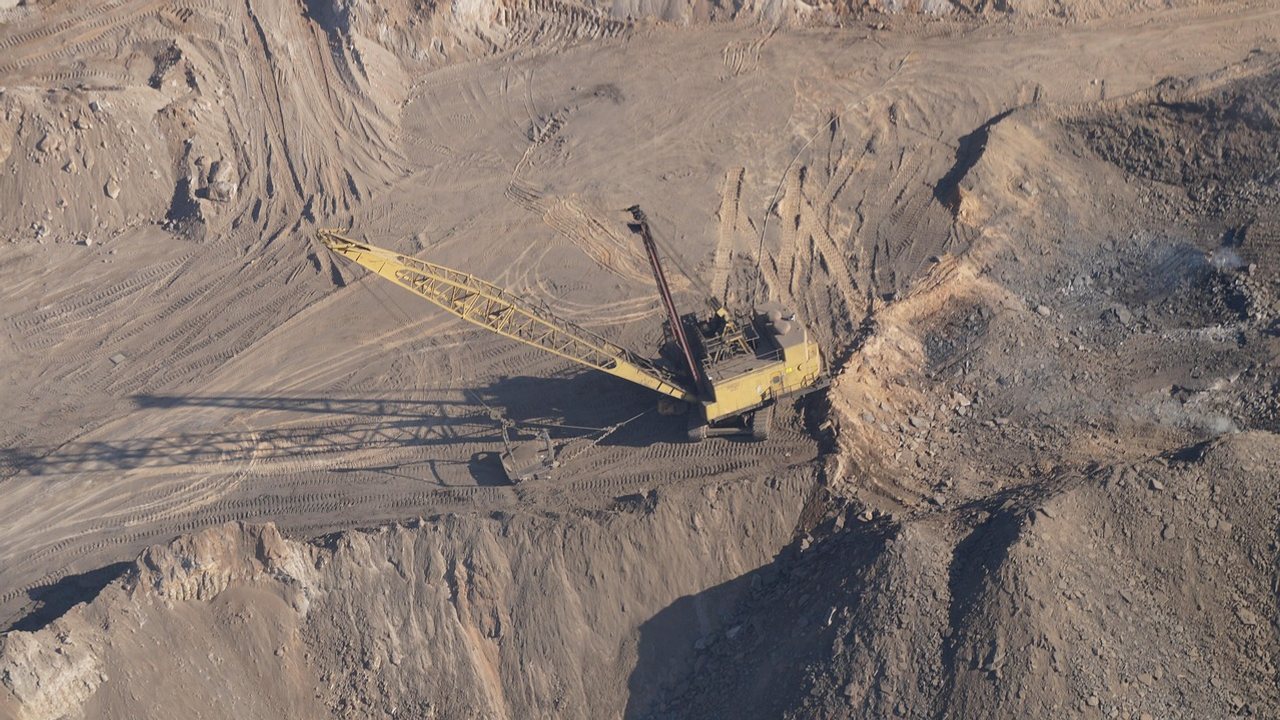
Underneath the tariff dispute sits a resource story that gives Washington powerful motivation to eventually reach an agreement with Brasília. According to the US Geological Survey, Brazil holds approximately 11 million metric tons of rare earth reserves, the second largest in the world after China, in addition to significant deposits of other critical minerals such as lithium and niobium, which are essential for defense, national security, the energy transition, and advanced technologies.
The USGS credits Brazil with over 90% of global niobium output — an alloy essential to aerospace and advanced steel manufacturing. The country is also the world's largest producer of niobium, ranks second in rare earth and graphite reserves, and third in nickel reserves. These are not abstract geology facts — niobium goes into high-strength steel used across automotive and construction supply chains, while rare earths are indispensable for electric motors, defense systems, and semiconductor manufacturing.
"Trump has been very proactive in trying to guarantee the access to critical minerals, and Brazil is the second source of rare earth reserves on the planet, behind China," analysts note. "The U.S.-China rivalry spills over to access to critical minerals and rare earths, and all signals coming from Washington point in the direction of demanding the countries in the region establish restrictions to Chinese access."
Despite possessing the world's second-largest rare earth reserves, Brazil still accounts for less than 1 percent of global production and continues to export primarily mineral concentrates. That gap between reserve wealth and processing capacity is precisely where US investment interest is focused — and where the election outcome could accelerate or stall progress.
What US Importers Should Do Right Now
The runoff outcome does not change the current tariff reality, and no deal is guaranteed on any timeline. Importers sourcing Brazilian goods should take several practical steps before October 25.
First, conduct a full HTS classification audit of all Brazilian-origin goods to confirm whether products fall under the Section 301 tariff, the Section 232 exclusions (which apply to steel, aluminum, and copper articles), or any of the more than 1,600 enumerated exemption lines. Second, verify whether any goods in your supply chain include Brazilian-origin niobium, rare earth oxides, or lithium concentrates, as these materials attract US and Chinese sourcing competition simultaneously — creating both opportunity and price volatility. Third, review supplier contracts for tariff-adjustment clauses now, before any election-driven market movements in the Brazilian real or commodity prices.
If a Bolsonaro administration accelerates a bilateral trade framework, some Section 301 relief could eventually materialize — but the working group itself acknowledged no timetable. If the challenger wins, "the Americans may prove reluctant to yield anything to Lula, preferring to wait and negotiate with Bolsonaro," according to former Brazilian ambassador to the US Rubens Barbosa. Either scenario implies continued uncertainty through at least the first half of 2027.
How ASR Can Help
Navigating an active 25% Section 301 tariff, overlapping Section 232 measures, a live bilateral working group, and an election that could reset the negotiating dynamic requires experienced logistics and compliance support at every stage. ASR WorldWide Express (FMCSA MC# 1667345-B, DOT# 4286843, SCAC AZCB) is a licensed freight forwarder based in Miami — one of the principal US gateways for South American trade — coordinating customs clearance through trusted licensed customs broker partners who can assess your Brazilian-origin commodity exposure, verify exemption eligibility, and ensure your documentation stays current as tariff schedules evolve. Whether you are importing Brazilian agricultural goods, industrial materials, steel semi-fabricates, or mineral commodities, our team can help you build a compliant, cost-aware import plan. Call us at +1 786 373 3003 or email shipping@asrwe.com to start the conversation.
Important Disclaimer
This article is for informational purposes only and does not constitute legal, tax, or customs advice. Tariff rates, product exclusions, and trade policy are subject to change, particularly given the active negotiations and electoral transition described above. Importers should consult a licensed customs broker and qualified trade counsel to assess their specific HTS classifications, duty obligations, and compliance requirements before making sourcing or import decisions.